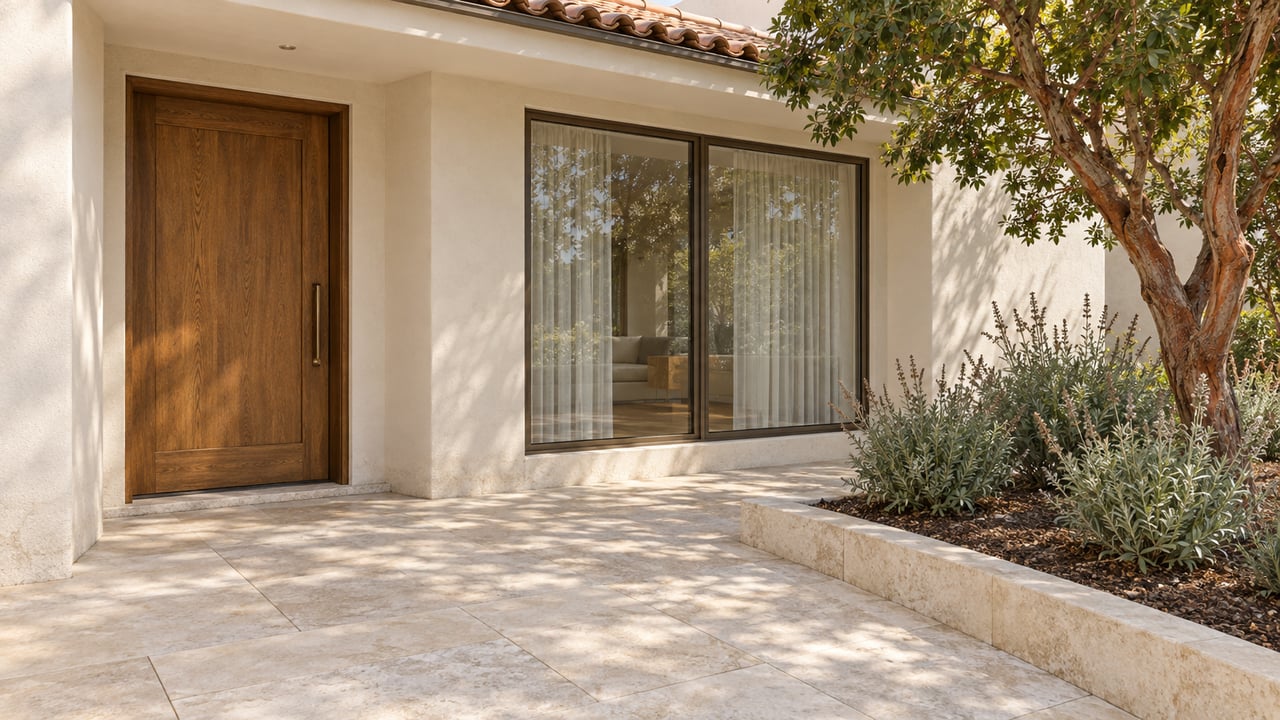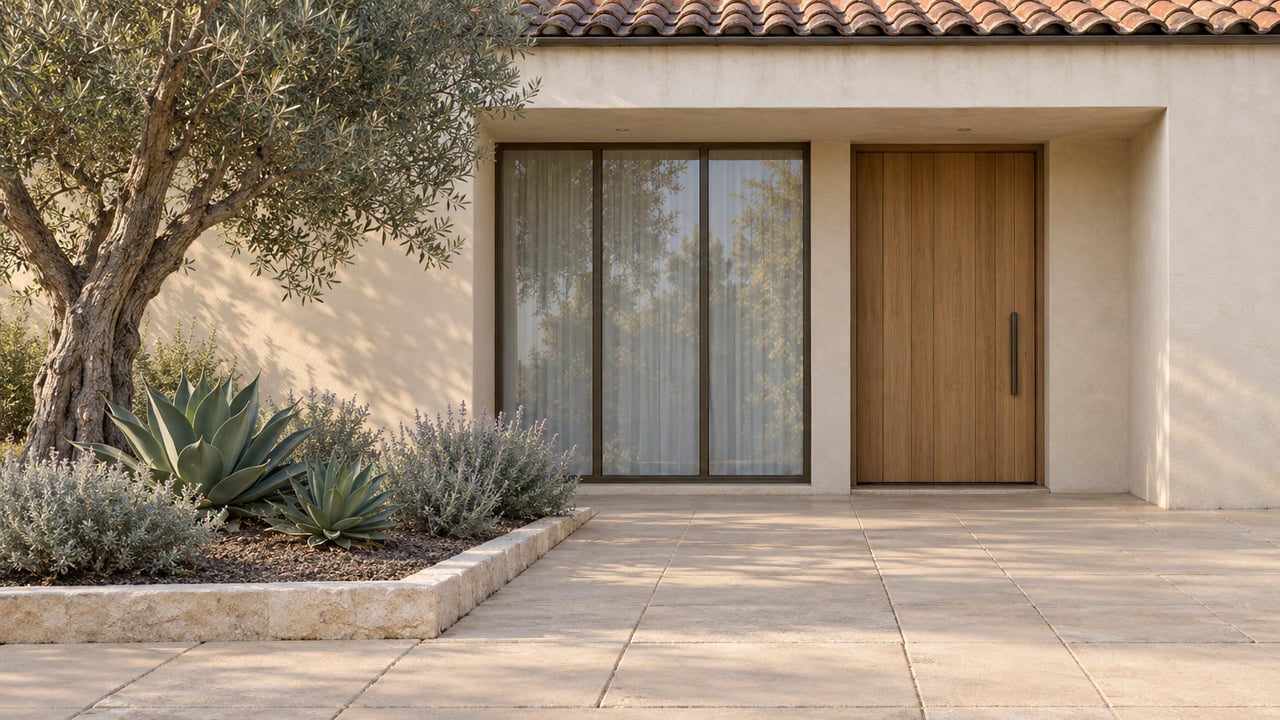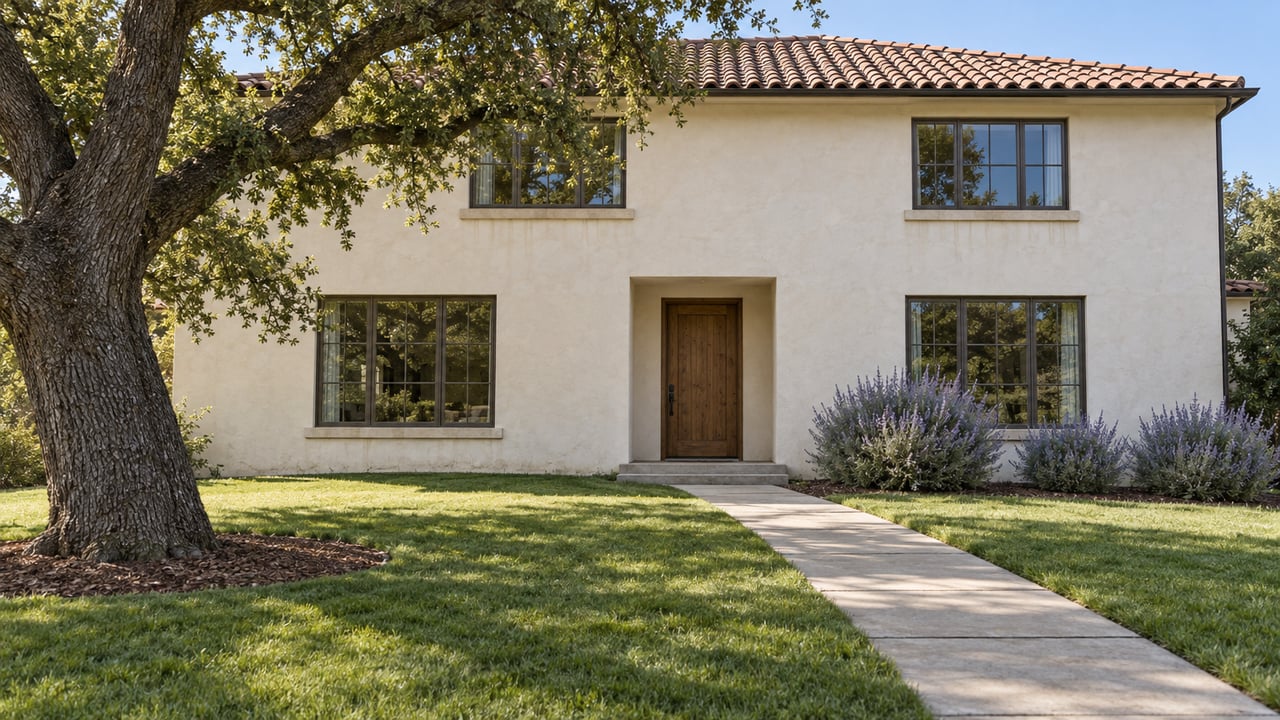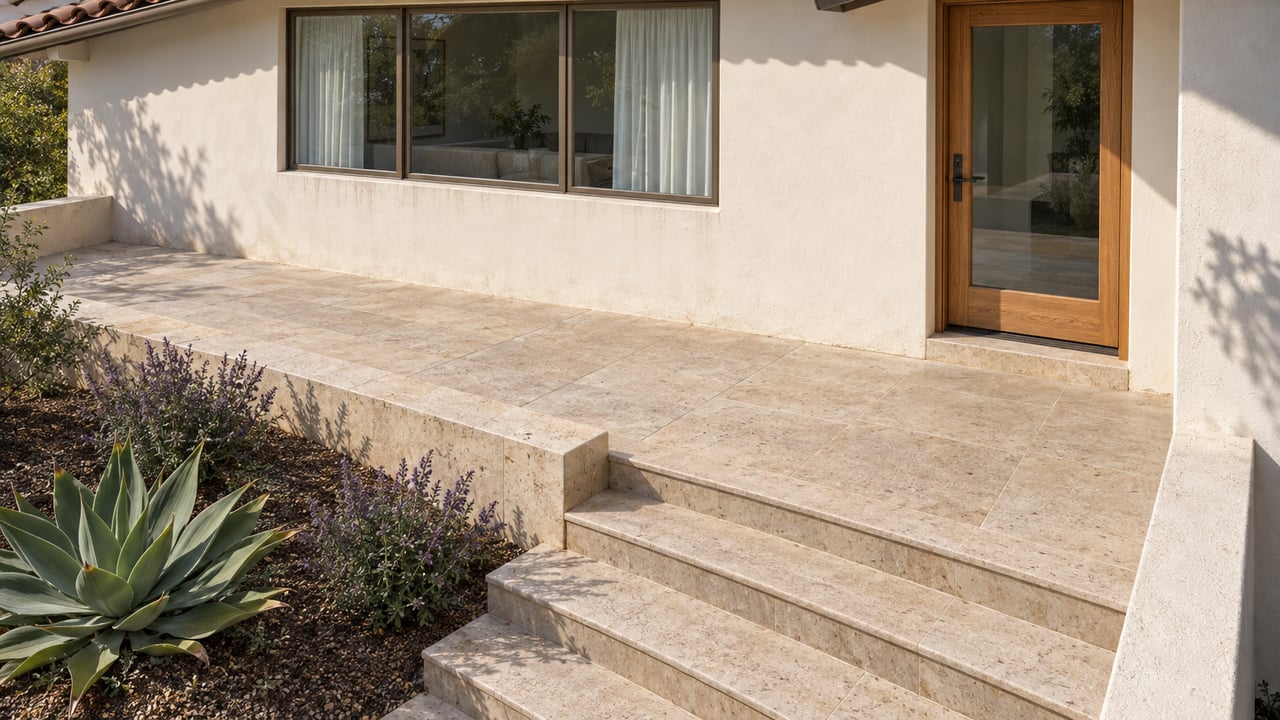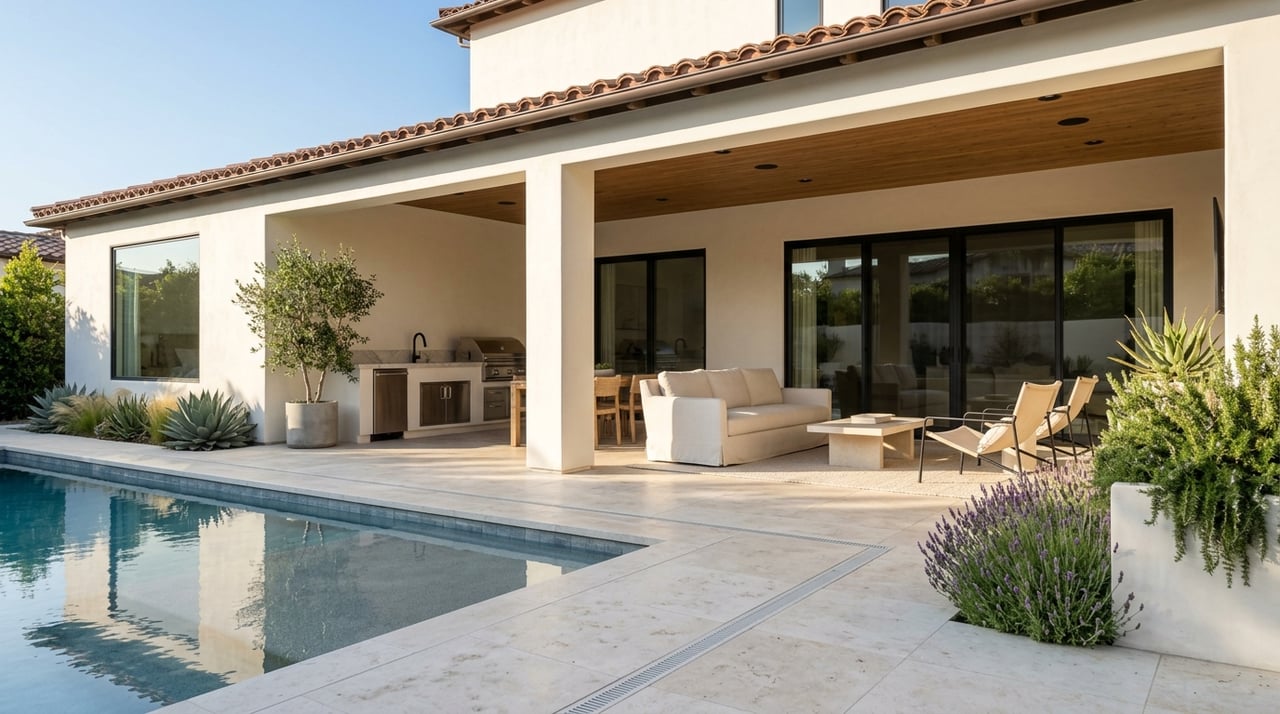
If you live in Rolling Hills, your outdoor space is not just extra square footage. It is part of how the community is designed to be enjoyed. With one-acre minimum lots, single-family homes, bridle trails, and a ranch-style setting, outdoor living often plays a major role in both daily life and long-term property appeal. If you are thinking about improving your yard, this guide will help you focus on outdoor ideas that fit the setting, the climate, and the way buyers respond to this market. Let’s dive in.
Why outdoor living matters in Rolling Hills
Rolling Hills is shaped by outdoor space in a very real way. The community includes 690 single-family homes on minimum one-acre lots, along with bridle trails, riding rings, and tennis courts that reinforce its equestrian, open-air character.
That local setup aligns with what many buyers already value. Recent buyer data shows outdoor space is one of the most common reasons people choose a specific home, and larger lots or acreage continue to influence neighborhood choice. In a place like Rolling Hills, outdoor living is not a side feature. It is often part of the lifestyle buyers expect.
Use the climate to your advantage
The nearby Long Beach climate data points to mild temperatures for much of the year, with average highs ranging from 66.7°F in December to 83.2°F in August and about 12.02 inches of annual precipitation. That makes Rolling Hills especially well suited for outdoor rooms that can be used in more than one season.
For most homes, the goal is not simply adding features. It is creating spaces that feel comfortable on warm afternoons, usable on cooler evenings, and durable over time. Shade, airflow, and low-maintenance materials tend to matter just as much as the layout itself.
Start with a true outdoor room
A covered patio or cabana often gives you the biggest lifestyle impact. In Rolling Hills, the most successful versions usually feel like an extension of the home, with shaded seating, layered lighting, and finishes that hold up well in sun and breeze.
Common shade-structure materials include cedar, composite, and aluminum. Ceiling fans, simple lounge furniture, and a nearby dining area can make the space feel complete without overbuilding the yard.
What makes a patio work well
A strong patio setup usually includes a few simple elements working together:
- Shade during the hottest parts of the day
- Seating that supports conversation and relaxing
- Lighting for evening use
- Easy flow from the indoor kitchen or living area
- Materials that suit the home’s style and site conditions
In Rolling Hills, simple forms often feel more natural than overly busy designs. That approach also fits the community’s ranch-style character.
Create zones for entertaining
Large lots give you room to think in zones rather than one big open yard. That can mean one area for dining, another for lounging, and another for cooking or gathering.
This kind of layout is increasingly common in outdoor design. Homeowners are turning yards into intentional spaces for cooking, dining, relaxing, gardening, and activity. In Rolling Hills, zoning can help a large property feel more useful and more connected.
Outdoor kitchens that feel connected
An outdoor kitchen can be simple or fully built in. Depending on the home and site, it may include a grill, prep counter, refrigerator, storage, bar seating, or even specialty features like a pizza oven or smoker.
The best outdoor kitchens usually connect naturally to the house. If your kitchen, dining space, and lounge area share a clear path and a view toward the yard, the whole property tends to feel more functional and more inviting.
Design pools with the lot in mind
On a larger property, a pool should feel integrated into the landscape rather than dropped into it. Rectangular gunite pools, sun shelves, adjacent spas, LED lighting, and nearby lounge or cabana areas are all current design patterns that can work well on Rolling Hills lots.
At the same time, bigger is not always better. Smaller pools or spools may be a smarter fit when you want to preserve lawn space, garden areas, view corridors, or flexibility for future use.
Pool safety and local review matter
In Los Angeles County, an outdoor pool must have a barrier installed and inspected before plastering or filling. Gate protection must include self-closing and self-latching features, or another approved separation method may be required when the house opens directly to the pool area.
For Rolling Hills homeowners, it is also wise to think early about overall site planning. Placement, grading, and relationship to the home can affect how well the pool fits the property and how smoothly the approval process goes.
Add activity space that fits local character
Private recreation areas feel especially natural in Rolling Hills because the community already has shared riding rings and tennis courts. If your lot and budget allow, a private court or activity area can complement the way outdoor space is already used in the neighborhood.
Options may include:
- A tennis court
- A pickleball and basketball combination court
- A putting green
- A play lawn
- A riding ring, where appropriate
RHCA notes that private tennis courts and riding rings require permits and design approval. Before planning any major activity feature, it makes sense to confirm what review will apply.
Build a landscape plan for beauty and upkeep
Landscape design in Rolling Hills works best when it balances appearance, maintenance, and site conditions. Drought-tolerant planting, edible gardens, lawn pockets, and permeable hardscape can all play a role.
A good plan also respects the realities of hillside living. Topography, drainage, sun exposure, and water use all affect what will perform well over time.
Choose planting with wildfire awareness
Wildfire planning is an important part of outdoor design in Rolling Hills. Local wildfire materials emphasize defensible space, fuel management, and vegetation control along roads, evacuation routes, and bridle trails.
Los Angeles County guidance recommends well-watered, low-growing plants near structures along with rock, brick, concrete, or gravel paths. Routine removal of dead plant material also matters. UC Agriculture and Natural Resources adds that hillside properties may need larger clearance zones, and some California native plants can become more flammable during drought.
Smart landscaping ideas for Rolling Hills
If you want a landscape plan that feels attractive and practical, consider these priorities:
- Keep plants near the home lower and well maintained
- Use hardscape materials such as gravel, brick, rock, or concrete in key transitions
- Match plants to local water, soil, and climate conditions
- Use smart irrigation where possible
- Remove dead growth and monitor seasonal drying
- Preserve clean sightlines across the property
This kind of plan can support both everyday enjoyment and easier long-term maintenance.
Respect local design review early
In Rolling Hills, outdoor upgrades should be planned with review requirements in mind from the start. RHCA states that its review process is intended to keep changes harmonious with the community’s ranch-style architecture.
The City’s housing element also notes that exterior changes and new structures are reviewed by RHCA even when City approval is ministerial. In practice, that means early planning can save time and help avoid redesigns later.
Features that may need extra attention
According to the City’s housing element, accessory structures such as stables, pools, sheds, small cabanas, guesthouses, pool houses, garages, and greenhouses are generally allowed by right, while larger versions may require conditional use permits and site plan review.
That review can consider factors such as:
- Topography
- Vegetation
- Natural drainage
- Drought-tolerant landscaping
RHCA also notes that perimeter fencing should be 3-rail white fencing, easements must remain clear of structures, fencing, and plantings, and new or replacement fencing requires a survey and fence permit. These details can shape how your overall outdoor plan comes together.
Think about enjoyment and resale
Outdoor improvements are lifestyle decisions, but they can also strengthen market appeal. In NAR’s Remodeling Impact report for outdoor features, 97% of members said curb appeal is important in attracting a buyer, and 98% said it is important to a potential buyer.
Owners also report a clear personal payoff. After completing outdoor projects, 68% said they had a greater desire to be at home, and 60% said they enjoyed the home more. That matters if you plan to stay for years, and it also matters if you want your property to compete well when it is time to sell.
In Rolling Hills, the strongest outdoor spaces usually do not feel trendy for trend’s sake. They feel tailored to the lot, aligned with the community, and easy to picture as part of everyday living.
If you are weighing which outdoor upgrades make the most sense for your property, working with a local agent who understands buyer expectations, site planning concerns, and presentation strategy can make a real difference. For personalized guidance on preparing, positioning, or selling your home in Rolling Hills, connect with Jane Angel.
FAQs
What outdoor features fit Rolling Hills homes best?
- Covered patios, outdoor kitchens, integrated pools and spas, activity lawns, courts, and drought-tolerant garden areas often fit Rolling Hills well because the community is built around large lots and outdoor living.
What should homeowners know about pool rules in Rolling Hills?
- In Los Angeles County, outdoor pools need a barrier that is installed and inspected before plastering or filling, and gates must be self-closing and self-latching or use another approved separation method.
What landscaping approach works well for Rolling Hills properties?
- A practical approach combines drought-tolerant planting, fire-wise maintenance, hardscape transitions, smart irrigation, and plant choices matched to the site’s water, soil, and hillside conditions.
What outdoor projects may require review in Rolling Hills?
- Projects such as private tennis courts, riding rings, fencing, pools, cabanas, and other accessory structures may require permits, RHCA design review, or additional site plan review depending on scope.
Why do outdoor upgrades matter when selling a Rolling Hills home?
- Buyers consistently value outdoor space, larger lots, and curb appeal, so a well-planned patio, garden, pool, or activity area can help a property better match what this market is known for.