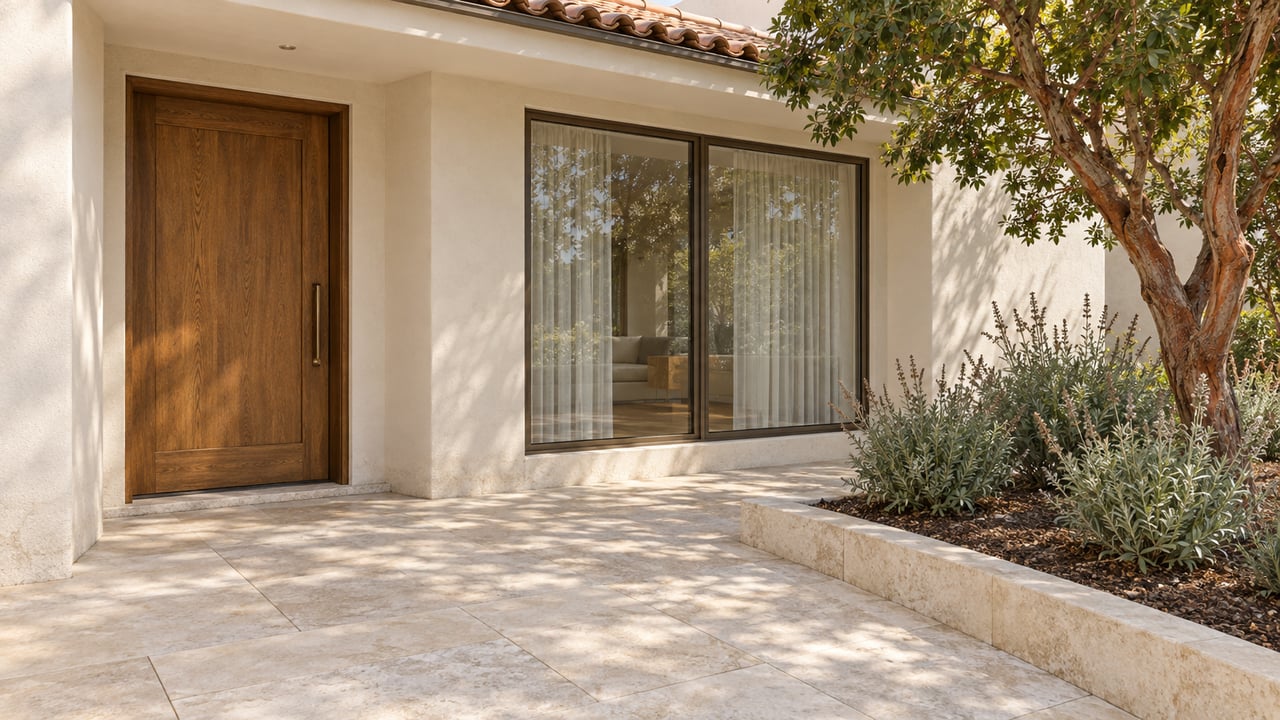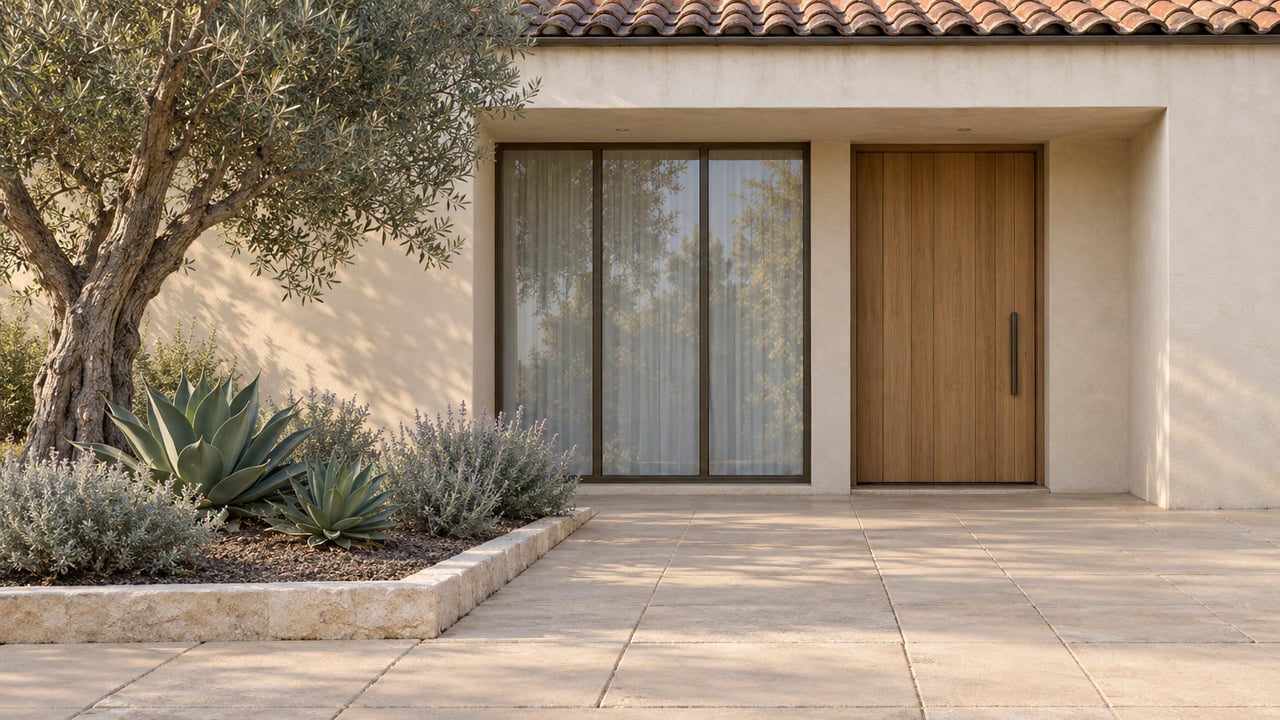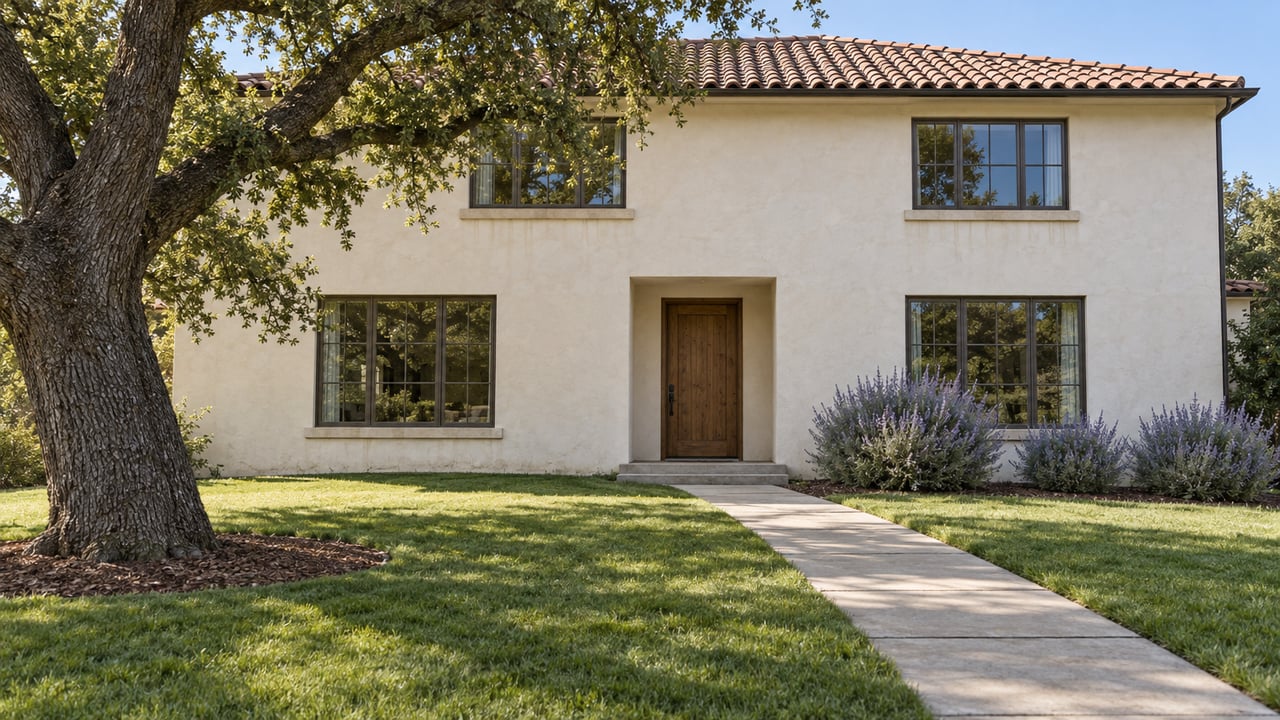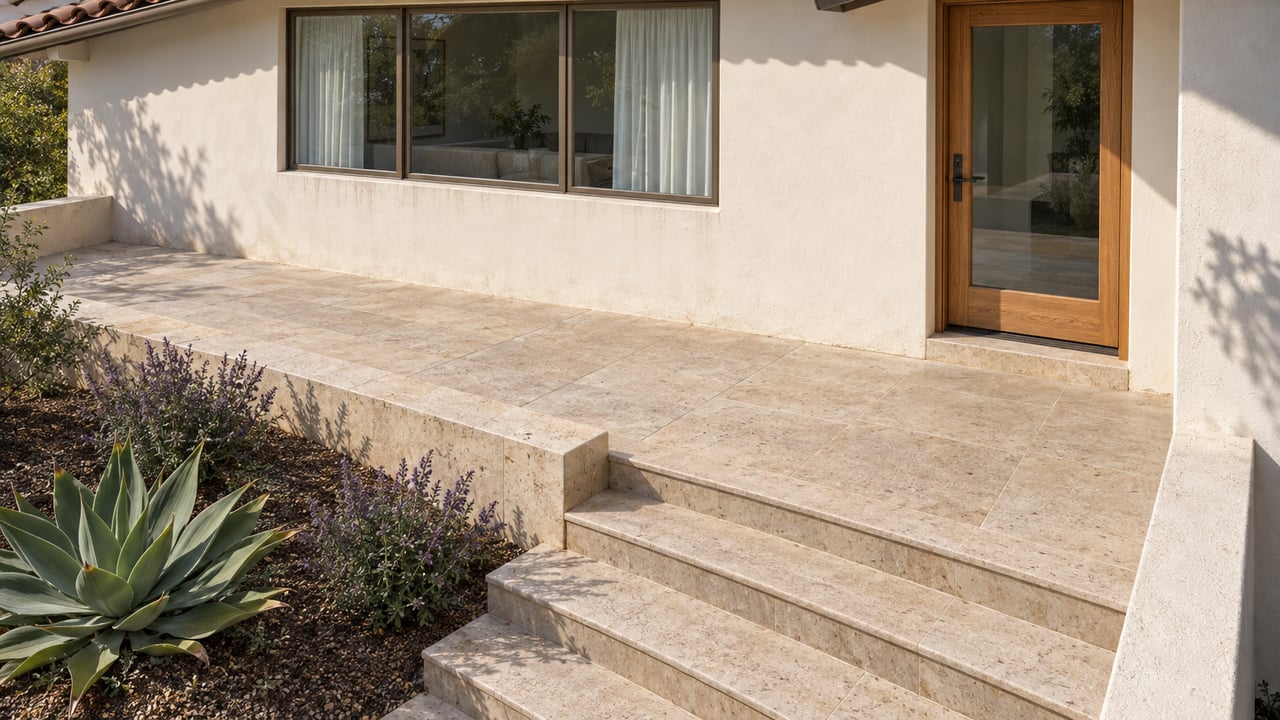
Buyers looking at Rancho Palos Verdes in 2026 arrive already worried. They have read the landslide coverage, seen the drone footage from Portuguese Bend, and watched the September 2025 bluff collapse at Marguerite Drive get replayed on the local news. By the time they walk your property, they are not evaluating your view. They are pricing your uncertainty.
That is the mechanic this post is about. In a market where the median list price sits at $2,387,450 with inventory of 108 homes as of the week of June 20, 2026 and the average days on market runs 138 days with 47% of listings taking a price reduction, the seller who wins is not the one with the best water view. It is the one whose disclosure packet answers the geology question before the buyer asks it.
The Friction No One Warns You About
Three RPV-specific items shape almost every negotiation, and none of them show up on a standard listing input sheet.
- The landslide reputation tax. Buyer anxiety extends well past the active slide area. The Ancient Altamira Landslide Complex encompasses over two of the City's roughly fourteen square miles, and the perceived risk zone in a buyer's mind is larger still.
- The View Ordinance paper trail. Views are protected by municipal code, which means they are also litigated by neighbors, and the records live with the property.
- The NHD box that catches sellers off guard. California's Natural Hazard Disclosure Statement includes a seismic hazard landslide zone designation that a surprising number of parcels on the Peninsula trigger.
Each of these turns into a price conversation. Handled early, they close. Handled late, they cost you weeks and dollars.
What the Landslide Story Actually Says in 2026
The facts, cleanly stated, do more for a buyer than reassurance ever will.
The active movement is concentrated in a defined complex. Movement in the Portuguese Bend, Abalone Cove, and Klondike Canyon landslides accelerated by a factor of three to four times during the recent wet cycle, and impact has been documented in the Seaview, Portuguese Bend Beach Club, and Portuguese Bend Community Association neighborhoods, where the City has seen loss of utility service, roadway damage, and the red- and yellow-tagging of some homes in the landslide area since Spring 2023.
The trend has since moderated. Geologists confirmed that although the landslide is still moving, it has decelerated from an average of 13 inches a week to 8 inches, a roughly 38% decrease, and recent displacement rates that had exceeded 2.5 inches per week have now declined.
Two policy items sellers should know verbatim, because buyers will ask:
- On October 28, 2024, the City of Rancho Palos Verdes, FEMA, and the California Governor's Office of Emergency Services announced a $42 million voluntary buyout program for property owners in the Greater Portuguese Bend landslide area whose homes have been damaged or threatened.
- City staff will negotiate a fee with a consulting firm to assist with the formation of a third GHAD and bring a professional services agreement to the City Council for approval, tentatively scheduled for September 2026. A GHAD, or Geologic Hazard Abatement District, matters to buyers because it provides certain immunity from liability associated with abating a geologic hazard.
The September 2025 Marguerite Drive event is a separate story worth stating clearly. City manager Ara Mihranian described the bluff drop as approximately 30 to 40 feet in a crescent shape roughly 300 feet wide, and city officials say the recent land movement is not correlated to the larger, accelerated movement involving the Portuguese Bend landslide. The new slide is about four miles away from the boundary of the ongoing Portuguese Bend landslide.
If your property is outside these boundaries, your job is to say so with citations. If your property is inside them, your job is to hand the buyer the buyout program letter, the GHAD boundary map, and the utility service status in writing.
The View Ordinance Is a Document Problem, Not a View Problem
Buyers pay for view certainty, not view existence. In RPV, that certainty is defined in code.
When trees exceed 16 feet in height or they exceed the roofline of the foliage owner's residence and they significantly impair a view, there are two types of permit requests by which a resident may restore or preserve his or her view as defined by Section 17.02.040.A of the Municipal Code. These are a View Restoration Permit and a View Preservation Permit.
The process starts with paperwork on your side of the fence. The person who wishes to preserve his or her view shall send a certified letter to the foliage owner. Said letter should identify the foliage in question and clearly state what the method and amount of trimming is being requested. If the neighbor does not respond, a formal application for a View Preservation Permit may then be submitted to the Community Development Director. If the permit is approved, the foliage owners are required to trim the view-impairing foliage within a 90-day time period.
What this means for a sale: any View Restoration Permit history on the parcel, any pending complaint, any recorded neighbor agreement is now part of the transaction. Before listing, gather:
| Document | Why buyers care |
|---|---|
| Prior View Restoration or Preservation Permits | Confirms the view is enforceable, not aspirational |
| Certified-letter correspondence with neighbors | Shows the current view is a settled position |
| Height variation approvals on your own structure | Explains any second-story or added roofline |
| Coastal Development Permits, if in the Coastal Zone | Some projects require coastal review or a Coastal Development Permit to protect public coastal resources and views, which can add time and conditions to approvals. |
| Recent dated photos from key rooms | Establishes today's view of record |
A view claim without records is a negotiation the buyer wins. A view claim with a permit file is a price the buyer accepts.
The NHD Box, and What Peninsula Sellers Need to Say About It
California requires you to give the buyer a Natural Hazard Disclosure Statement. The six categories are set by statute, and they include special flood hazard areas, areas at risk of flooding from a dam failure, very high fire severity zones, wild land forest fire risk zones, earthquake fault zones, and seismic hazard zones, including landslide and liquefaction zones.
Two nuances matter on the Peninsula:
The seismic hazard landslide zone is not the same as the Portuguese Bend landslide. The statutory seismic hazard maps are intended to show only where these hazards may result from seismic shaking. They should not be relied upon to show where landslides could be triggered by rainfall or other causes unrelated to earthquakes. Buyers routinely conflate the two. You will need to explain the difference.
Local designations can go further than state ones. Cities and counties may be more restrictive than the state in designating and regulating landslide hazard zones. The locally designated zones are typically mapped in the city or county General Plan Safety Element. RPV's Safety Element and the city's own landslide maps are the ones your buyer's agent will pull.
A practical sequence for the disclosure packet:
- Order the NHD report early. The seller usually pays for most NHD reports, which cost between $50 and $150.
- Read every box. Confirm the seismic hazard landslide zone status in writing with your NHD provider.
- Prepare a short narrative explaining what the box does and does not mean for your specific parcel.
- Attach any geotechnical reports on file for the property. If a prior addition triggered a soils report, that document is a persuasion asset.
- Note that most homeowners insurance policies don't provide enough financial coverage for homes damaged or destroyed by an earthquake, and expect insurance questions early.
Buyers have leverage during their review window. Buyers have three days to look over the NHD report, and if they don't like what they see, they can back out of the deal. Sellers who front-load this material rarely lose deals at that gate.
Reading the 2026 Market Through This Lens
The pricing dynamics tell the story clearly. The median list price in Rancho Palos Verdes this week is $2,299,500, while the market action index hovers around 34, less than last month's 36. An MAI of 37 is a seller's market. Anything above 30 is considered a seller's market, which means RPV is still tilted toward sellers, but the tilt is narrowing.
Time on market is where preparation shows up. The average days on market is 138 days, and the median is 98 days. Homes with clean paperwork and confident view documentation transact toward the front of that curve. Homes with open questions transact toward the back, or after a reduction. With 47% of homes taking a price reduction, the cost of an unclear disclosure story is measurable.
A price observation worth stating plainly: the per-square-foot price this week is $838. At $838 per square foot, Rancho Palos Verdes remains one of the best-value luxury coastal markets in California. That per-foot number is the answer to a buyer who has been shopping Manhattan Beach. Your job as a seller is to make sure nothing in your file gives them a reason to discount it.
FAQ
Does the FEMA buyout affect homes outside the active landslide area? Not directly. The program is limited to property owners in the Greater Portuguese Bend landslide area whose homes have been damaged or threatened. Its relevance to sellers elsewhere in RPV is reputational and educational. Buyers who know the program exists tend to feel better about the city's overall response.
If my property is in a seismic hazard landslide zone on the NHD, is my house unsellable? No. A significant share of hillside properties across the Peninsula show that designation, which is a mapping category, not a structural verdict. What matters is the packet you provide alongside the checked box, including any geotechnical work on file and any city permits that already accounted for the mapped conditions.
Do I have to resolve a view dispute before listing? Not always, but you have to disclose it. Disclose any known view-related disputes or pending complaints, and provide copies of permits, prior decisions, and recorded agreements. An unresolved dispute discovered mid-escrow tends to cost more than one addressed on the front end.
Are homeowners insurance and earthquake coverage separate conversations? Yes, and buyers will ask. In California, homeowner's insurance does not cover earthquakes. If you have a homeowners insurance policy in California, your company must offer to sell you earthquake insurance. Having a current quote ready for the buyer to review is a small courtesy that removes a large unknown.
If you are preparing to sell in Rancho Palos Verdes, the disclosure packet is the listing. Assembled well, it turns geology and code into confidence, and confidence into price. Jane Angel has spent two decades preparing Peninsula homes for market, coordinating the permits, arborist reports, geotechnical files, and view documentation that make a sale hold together at the appraisal and again at the buyer's review window. Book an appointment to start with a walk-through of your parcel's records.