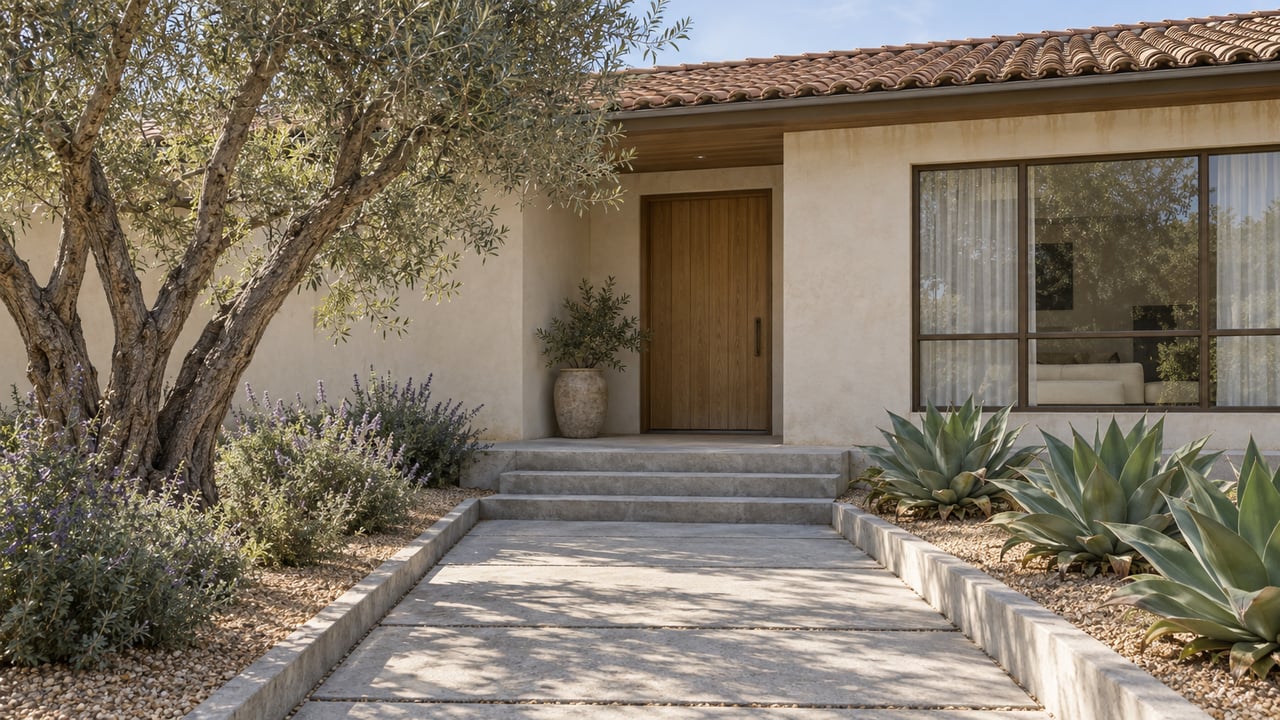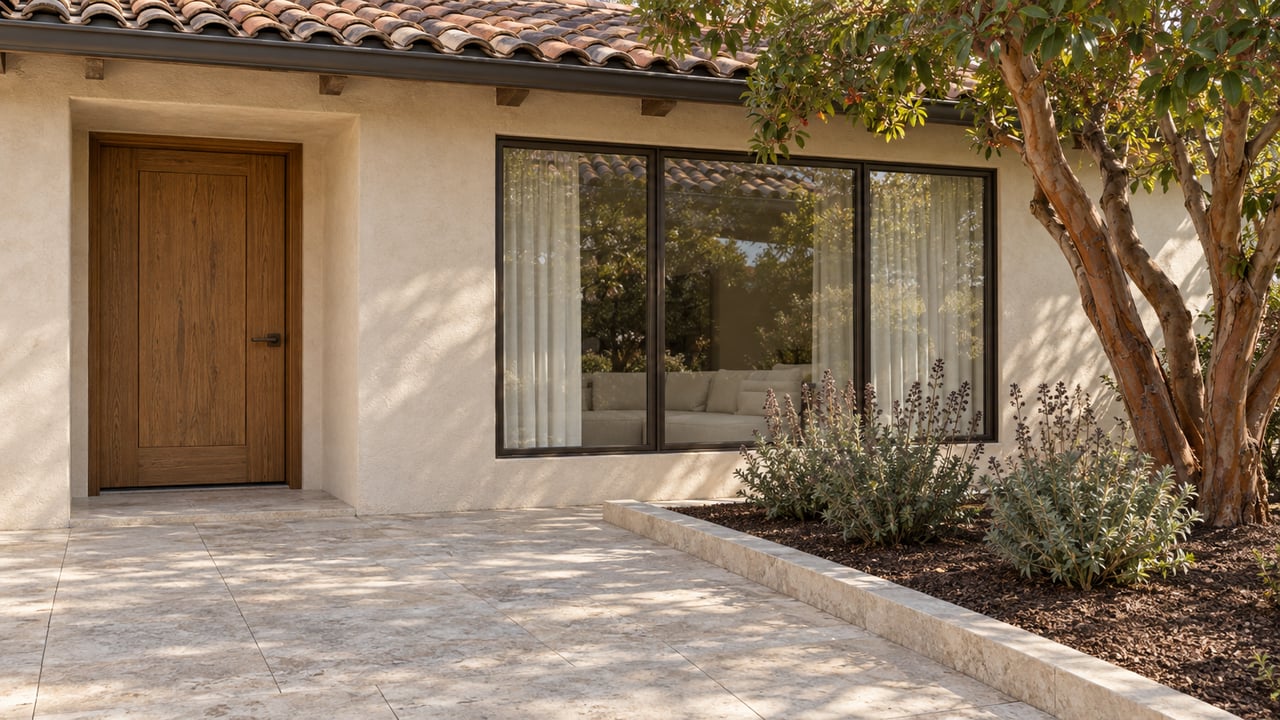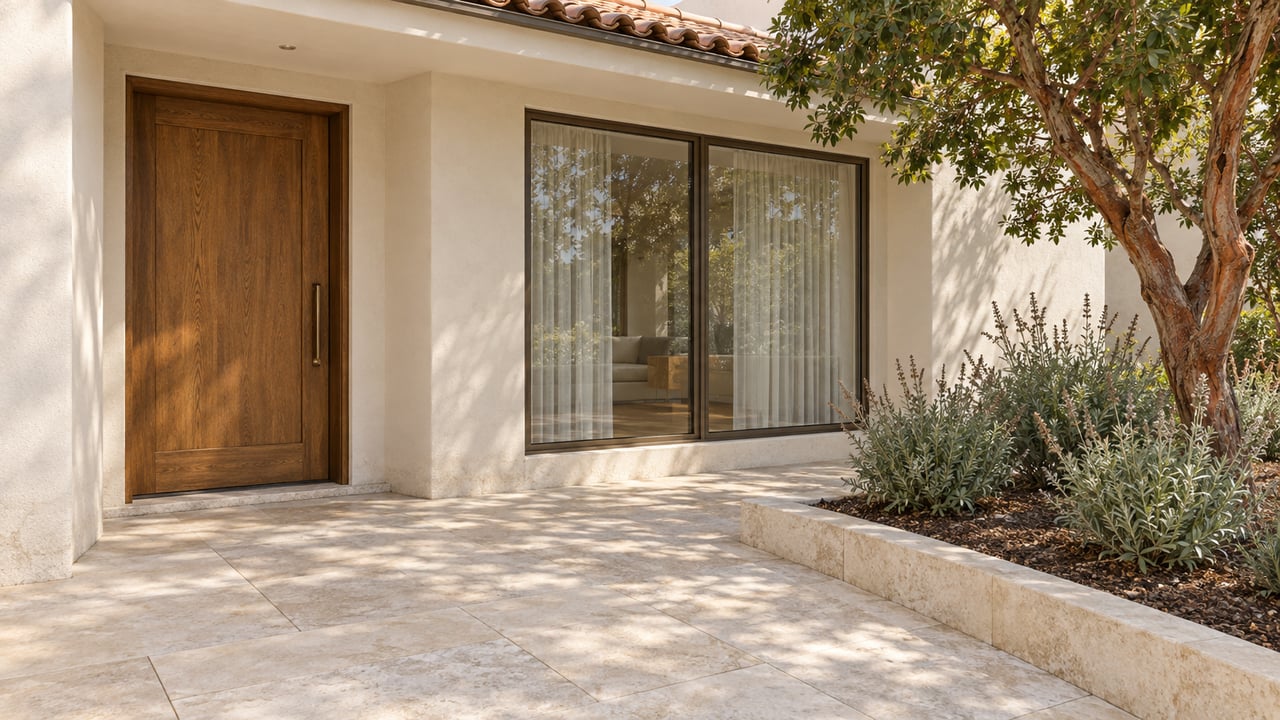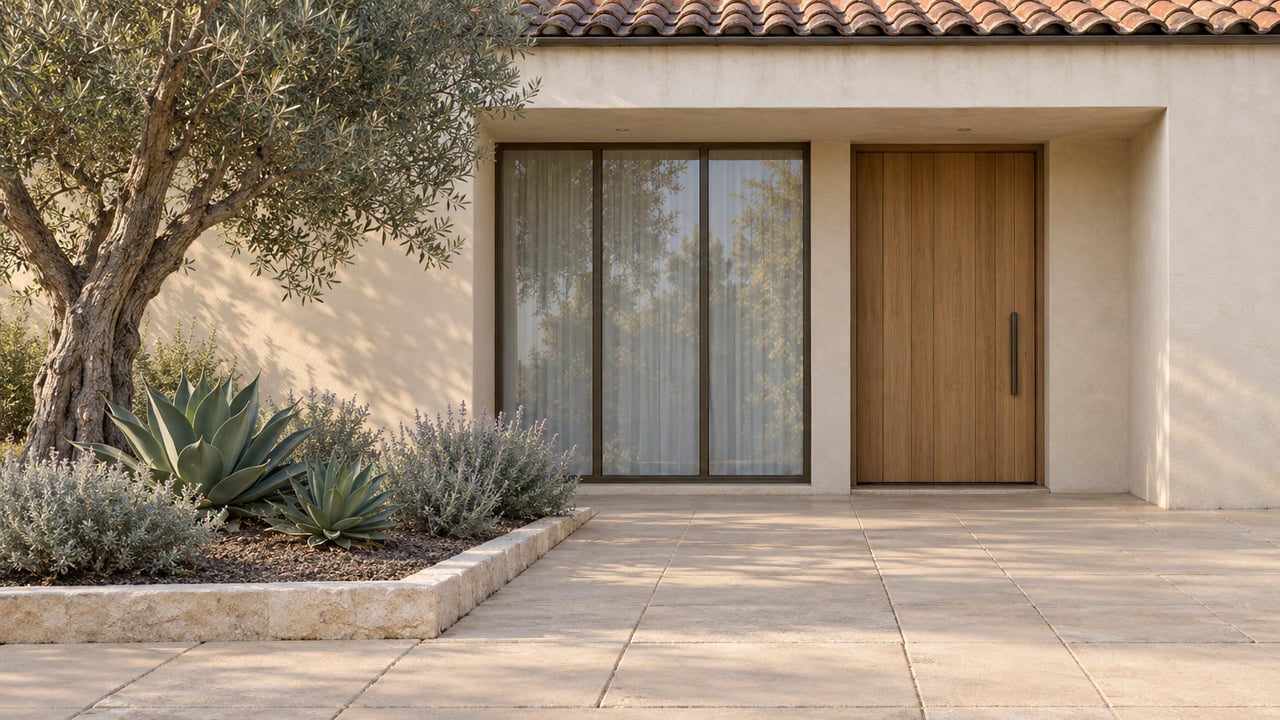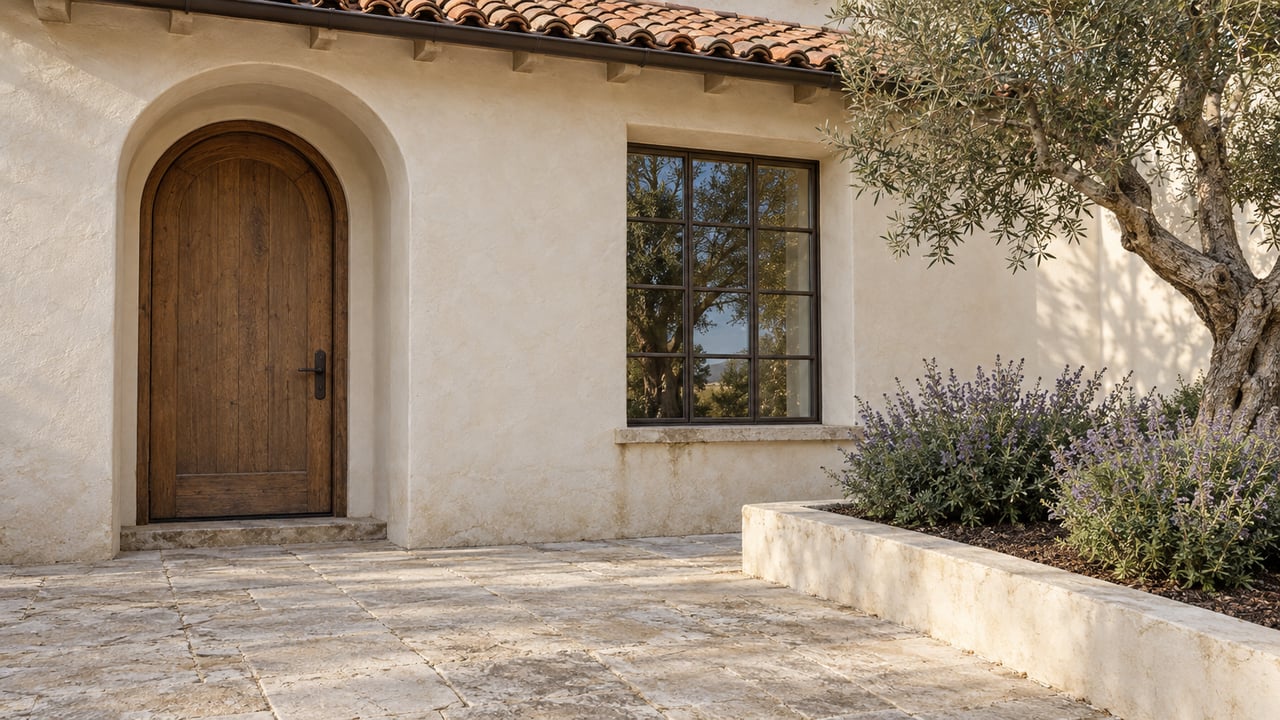
The building at 2400 Via Campesina opened as a public library ten years before there was a city government to run one. Palos Verdes Estates did not build the Malaga Cove Library. The library, and the park it sits in, were already there when residents voted to incorporate.
That order of operations gets flipped in most people's heads. A city forms, then it builds civic amenities: a library, a park, a fountain. Here the sequence ran backward. The land was still an unincorporated real estate project governed by the Palos Verdes Homes Association when architects broke ground on the library in 1929. The fountain next to it had already been standing for two years by then. Palos Verdes Estates did not exist as a municipality until December 20, 1939, according to the city's own history page. Everything most residents now think of as foundational to the town predates the town.
A Development, Not Yet a City
New York financier Frank A. Vanderlip Sr. bought the land from the Bixby family in 1913 with a plan for a master-planned residential community. World War I slowed things down, and the first Spanish-style homes did not go up until the early 1920s. In 1923, the Bank of America, acting as trustee for Vanderlip's Palos Verdes Project, filed deed restrictions that set the design rules still visible in the neighborhood today. None of this happened under a city council. It happened under the Palos Verdes Homes Association, a private body that also held title to the parkland and paid the taxes on it.
That last detail matters more than it sounds like it should. When the 1929 crash hit, the Homes Association fell behind on what it owed Los Angeles County. Residents got nervous that the county might force a sale of the parkland to cover the debt, land that by then included the library and the fountain at Malaga Cove. So in 1939, they voted to incorporate as a city. The library came first. The park came first. The city came into existence specifically to keep from losing them.
The Architect Who Solved a Small-Town Problem
Myron Hunt, working with H.C. Chambers, designed the library building. Both were practicing out of Pasadena. When Architectural Forum reviewed the finished building in June 1932, the critique focused on how well the design handled its site rather than on any grand civic ambition. The reviewer called it "an interesting solution to the problem of a small community library," noting how the floor plan stepped down with the uneven grade and how the reading room was tucked toward the rear specifically to keep street noise out.
That modesty of purpose is part of why the building has aged well. It was built to solve one problem, a small community's need for a reading room, not to announce a city that did not yet exist. It opened under the name Malaga Cove Public Library and Art Gallery, doubling as exhibition space from the start. The building earned local landmark status from the Rancho de los Palos Verdes Historical Society in 1980, then went on the National Register of Historic Places and the California Register of Historical Resources in 1995, sixty-six years after it opened and fifty-six years after the city that now claims it as a fixture came into being.
The Fountain Has Its Own Paper Trail
Farnham Martin Park sits immediately next to the library, and its fountain predates the library building by two years, per the city's history page. The park takes its name from Farnham Martin, who worked with the Olmsted architecture firm and served as the first superintendent of parks for the Palos Verdes Homes Association. The city's own materials note that this fountain, not the more photographed Neptune statue at the Malaga Cove Plaza, is the oldest fountain in Palos Verdes Estates, and it carries its own National Register listing separate from the library's.
Line up the dates and the pattern holds:
- Land purchased by Vanderlip's syndicate: 1913
- Deed restrictions filed, development begins: 1923
- Farnham Martin Park fountain built: roughly 1927
- Malaga Cove Public Library and Art Gallery opens: 1929
- Palos Verdes Estates incorporates as a city: December 20, 1939
- City takes title to the parklands from the Homes Association: 1940
A city that had incorporated nearly eighty-seven years earlier spent its first year of existence simply taking legal ownership of a park and a library that had already been serving residents for over a decade. The landmark came first. The paperwork caught up later.
What's Actually There Now
Malaga Cove Library still runs as a working branch of the Palos Verdes Library District, one of three branches in a system that also serves Rancho Palos Verdes, Rolling Hills Estates, and Rolling Hills. Current posted hours run Monday through Thursday from 10 a.m. to 6 p.m., Friday from 2 p.m. to 6 p.m., and Saturday from 10 a.m. to 5 p.m., closed Sundays. The building also functions as a bookable wedding venue, a use that fits naturally with a structure originally designed with a social-center room built off the kitchen for exactly that kind of gathering.
Anyone walking in for a study room or a stack of books is standing in a building that has spent nearly a century doing the same basic job it was built for, minus the years it also doubled as an art gallery. The reading room still sits where Hunt and Chambers placed it, away from the street.
Why the Order of Events Still Shows Up on the Ground
The sequence, park before library before city, explains something about how Palos Verdes Estates was built that a simple date on a plaque does not. The city's founders were not designing a downtown and then adding a library as a finishing touch. They inherited a park and a library that already belonged to the community, and they built a government around protecting them. That is a different kind of civic origin story than most cities on the peninsula can claim. Rolling Hills and Rolling Hills Estates both incorporated in 1957, Rancho Palos Verdes in 1973, decades after Palos Verdes Estates had already turned its founding-era landmarks into an incorporated city built to keep them.
Walk from the library to the fountain at Farnham Martin Park and you are covering roughly a hundred feet of ground that carries two separate historic designations, tied to a city that did not exist when either was built. That is not a detail most people notice on a Tuesday afternoon return trip for a library book. It is the kind of fact that changes how a familiar corner reads once you know it.
If a single library building and the park beside it can explain why a city voted itself into existence, it says something about how much of Palos Verdes Estates' character was set before the city itself had a name. Jane Angel has spent two decades working this peninsula street by street, and the small, well-documented history behind a corner like Malaga Cove is exactly the kind of detail that shapes how she talks about this neighborhood with anyone who asks.