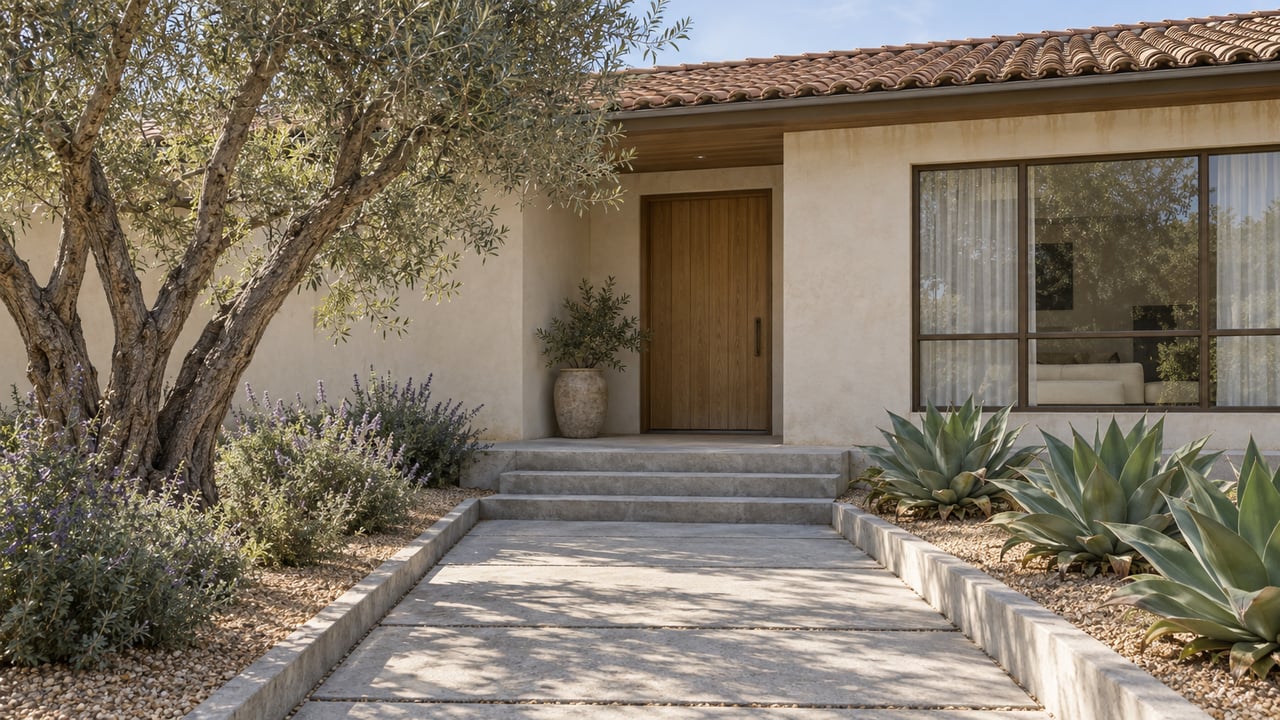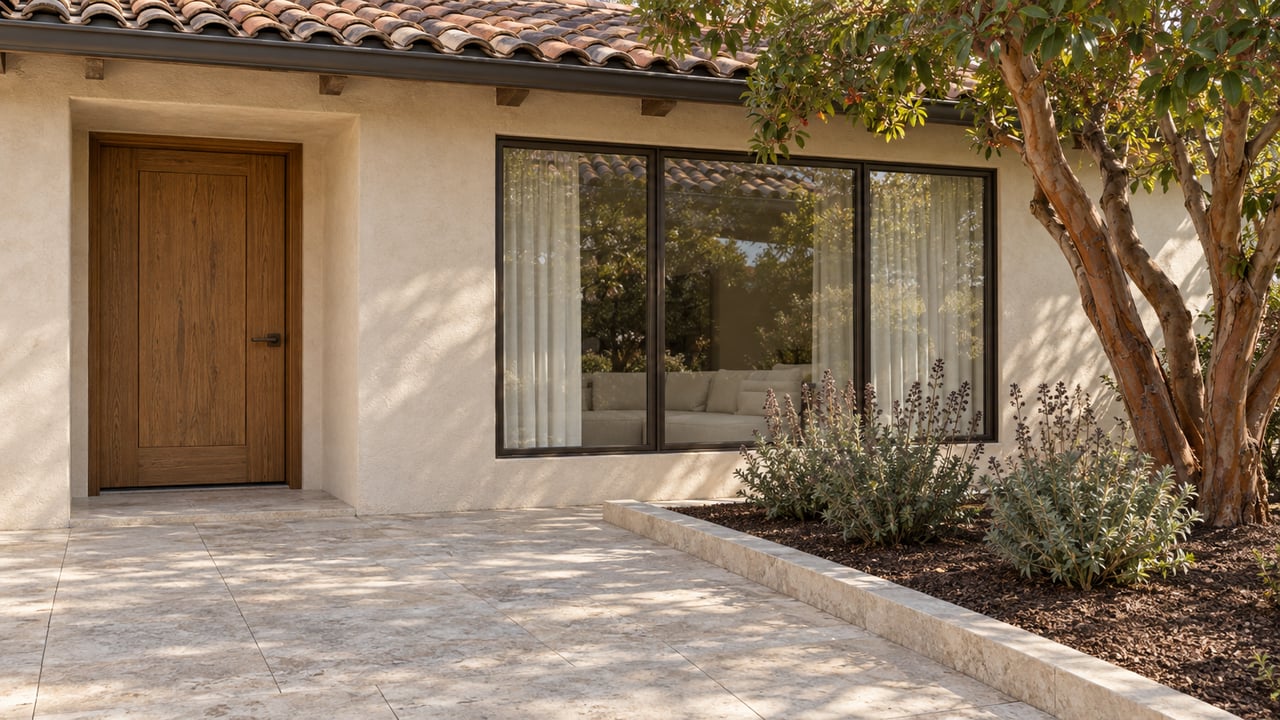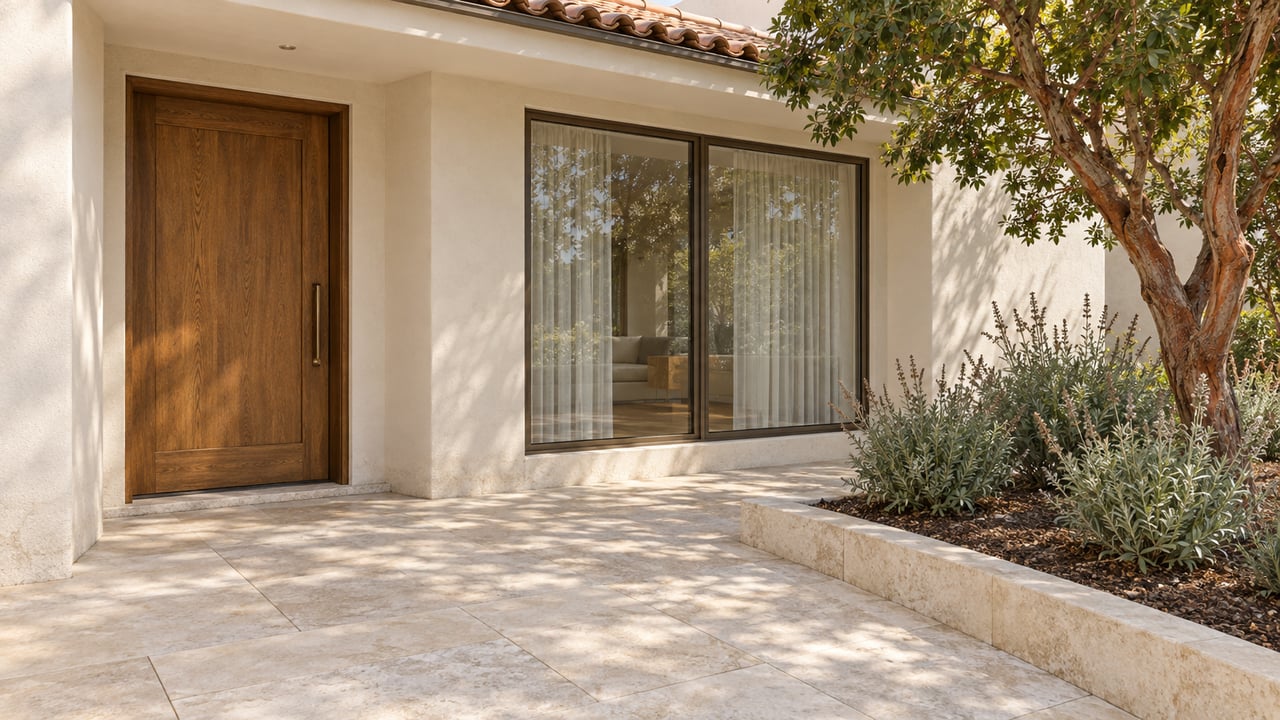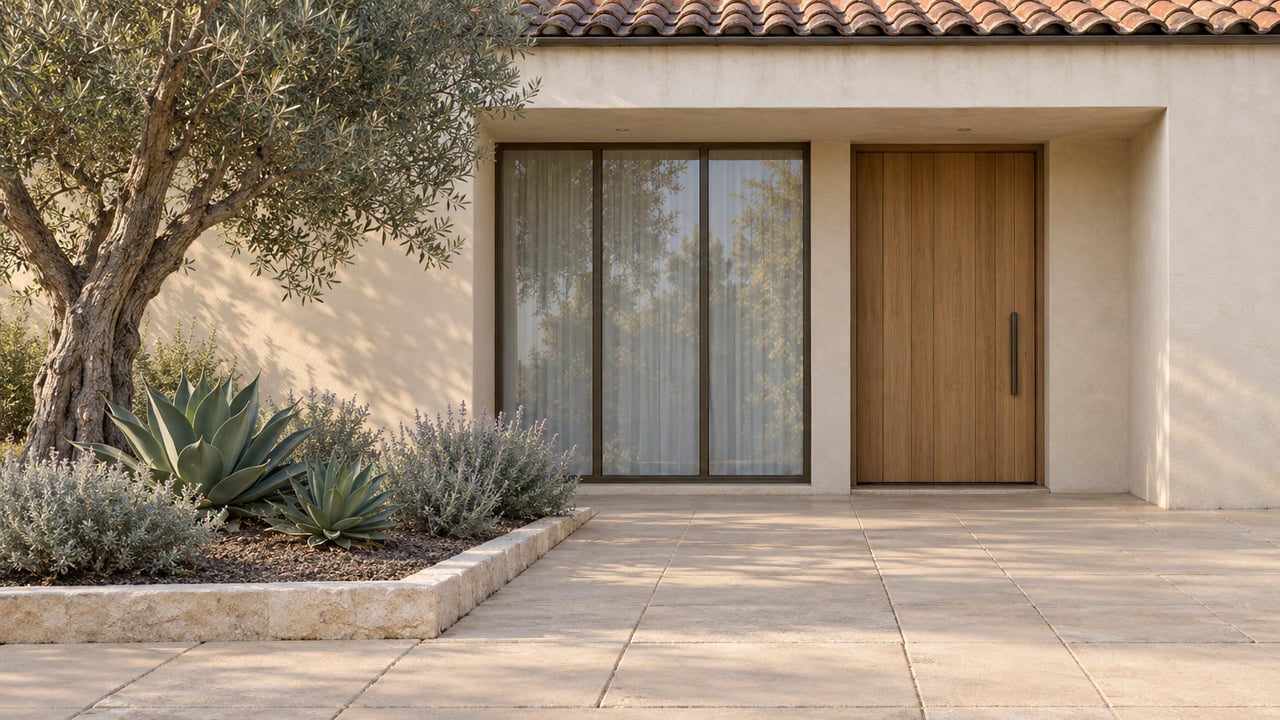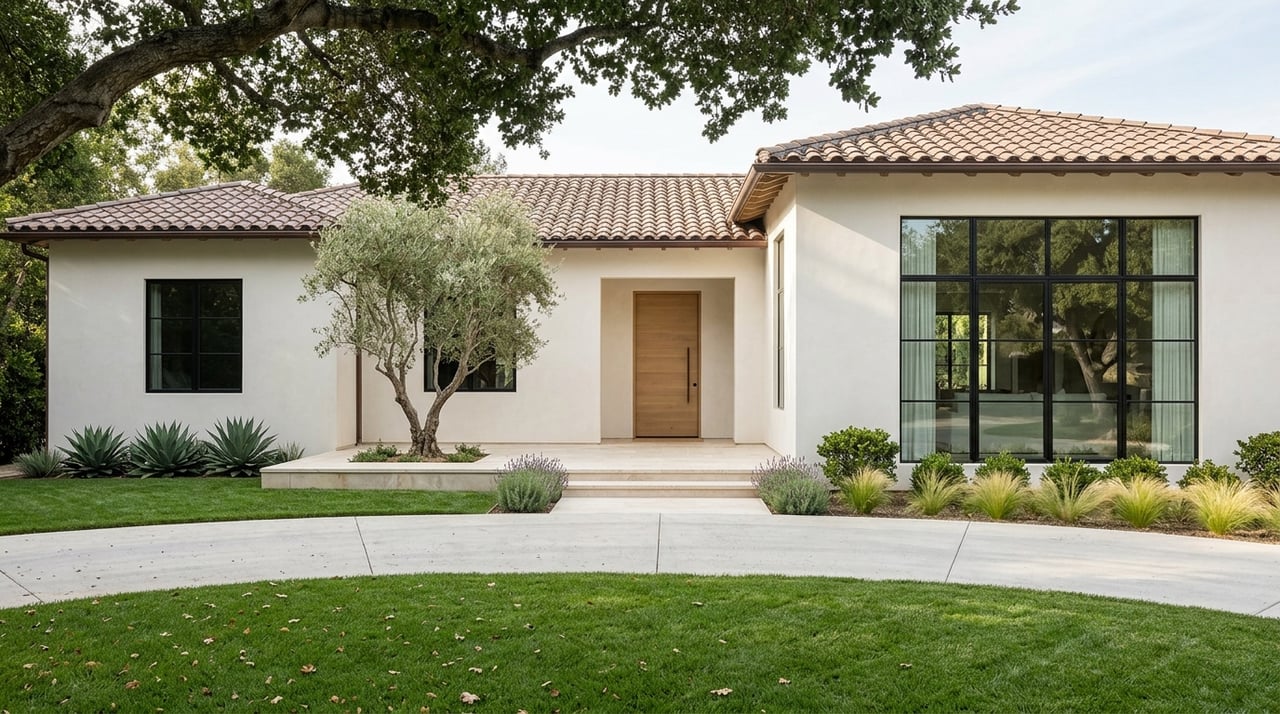
Selling an estate-size property in Rolling Hills is different from selling a typical home. You are marketing privacy, acreage, and a lifestyle that includes long driveways, gated entries, and outdoor living. You also need clean documentation and a clear plan. In this guide, you will learn the exact steps to prepare your property so buyers see the value fast and the sale moves forward with fewer surprises. Let’s dive in.
Know what Rolling Hills buyers expect
Buyers in Rolling Hills look for privacy, usable outdoor areas, and well-documented systems. They want to see how the acreage works day to day, from pools and terraces to barns and paddocks. The city’s low-density, equestrian character and large-lot pattern shape these expectations. Start your planning with the City’s Planning and Community Services resources, which outline zoning, permits, and parcel-scale considerations. You can review those resources on the City of Rolling Hills planning pages.
Many parcels include long driveways, fencing, and equestrian features. Independent land-use reports describe this pattern of acre-plus homesites and single-story estates. That means your listing strategy should highlight access, safe fencing, drainage, and how outdoor zones function. Use media that shows scale, especially aerials, so buyers understand the layout quickly.
- City planning and parcel guidance: review the City of Rolling Hills Planning and Community Services page for zoning, permits, and hazard information. City of Rolling Hills planning resources
- Community pattern overview: large lots, equestrian use, and privacy are common. Independent appraisal report summary of Rolling Hills character
Pre-listing assessments and disclosures
Getting in front of issues protects your timeline and your net. Prioritize safety and structure, then systems, then presentation.
Priority inspections to order
Roof and structural. If the roof is aging or looks marginal, schedule a roof inspection early. Roof work can be a deal-breaker and may take weeks to schedule. See Los Angeles cost guidance for context. Angi roof cost overview for Los Angeles
General home and major systems. A pre-listing home inspection plus focused checks for plumbing, electrical, and HVAC can surface must-fix items or disclosures. A separate termite or structural pest inspection is common in California. Seller disclosure obligations are strict, so identify and address issues early. Overview of disclosure obligations in California
Site-specific checks for estates. Order septic evaluation and pumping if applicable. Check wells and water quality if the property is not on municipal service. Inspect the pool and equipment. Hire an arborist for hazard trees near structures or driveways. For hillside or canyon sites, consider a geotechnical review to address slope stability. City planning staff and resources can guide you on when reports or permits are advisable. City planning and hazard guidance
Certifications for peace of mind. If buyers are likely to prioritize turnkey systems, consider having a licensed electrician and mechanical contractor certify the electrical panel and HVAC. This reduces objections during escrow.
Required California disclosures
Prepare the standard Transfer Disclosure Statement and the Natural Hazard Disclosure. In many areas of the Peninsula, fire-related notices or defensible-space information may apply, based on state rules. Failure to deliver required disclosures can create rescission risks or liability, so use experienced providers and review timing with your agent. California disclosure overview
Fire Hazard Severity Zones are defined by the State Fire Marshal. Ask your team to confirm parcel-level status early, since this can affect required deliverables and buyer expectations. Office of the State Fire Marshal FHSZ overview
For homes or outbuildings built before 1978, provide the federal lead-based paint pamphlet and disclosure. NAR guidance on lead-based paint requirements
City and parcel checks before listing
- Confirm zoning and permitted uses, including stables, accessory structures, guest houses or ADUs.
- Review any protected or overlay areas, and rules for tree removal, lot coverage, and driveways.
- Ask about typical permit lead times. Then assemble a single, shareable “property packet.”
Create a neat packet that includes the title prelim, permits and warranties, inspection reports, and your TDS and NHD. A ready packet speeds underwriting, reduces buyer objections, and helps you negotiate from a position of strength.
Repairs and upgrades that pay off
For estate-size parcels, focus on what protects value and calms buyer risk.
1) Safety and structural first
Fix active leaks, foundation concerns, failed roofing, electrical hazards, and dangerous trees. Structural and roof repairs often take longer to schedule, so move fast. Use licensed contractors and confirm permits where required. Los Angeles roof cost and timing context
2) Major systems and utilities
Service or certify septic, wells, pool equipment, HVAC, and electrical panels. As a low-cost first step for septic, schedule pumping and a functional check. Routine pumping often runs a few hundred dollars, while full replacements can reach multiple thousands depending on site complexity. Always get 2 to 3 bids. Septic cost ranges and tips
3) Access, drainage, and erosion control
Inspect long driveways, gates, culverts, and surface drains. Poor access or visible drainage issues will drive buyers away. Resurfacing or culvert repairs are often cost-effective relative to price point. Check city rules for new driveways or significant repairs. City planning resources
4) Outdoor living and curb appeal
Clear brush, trim hedges, and remove dead trees. Clean and balance the pool. Refresh fencing where needed. Stage outdoor rooms so buyers see how to use each zone. NAR research shows that staging improves buyer visualization and can reduce time on market. NAR home staging profile
Smart budgeting and realistic timelines
Every estate is unique, so avoid one-size-fits-all budgets. Use ranges and confirm with local bids.
- Roof repairs can run from a few hundred dollars to the mid five figures for full replacement, depending on materials and scale. Build in weeks for scheduling. Roof cost guidance
- Septic pumping is often a few hundred dollars. Localized repairs can be several hundred to a few thousand. Full replacements may reach the high four or low five figures based on system size and access. Septic cost ranges
- Staging and professional media can run around a small percentage of list price for higher-end properties. Allocate budget for outdoor staging and aerial photography, which deliver outsized impact on acreage. NAR staging research
Suggested sequence and timeline
Use this order to reduce delays and rework:
- Scope and plan, week 0. Meet with your listing agent, define inspections, and start assembling your property packet.
- Inspections, weeks 1 to 3. General, roof, termite, septic, pool, arborist, and geotechnical if needed.
- Safety and structural work, weeks 2 to 6+. Roof, foundation, and hazard corrections.
- Systems work, weeks 3 to 8. Septic service, pool equipment, HVAC, and electrical.
- Landscaping and curb appeal, weeks 4 to 8. Brush clearance, trimming, pressure washing, and seasonal planting.
- Staging and media, weeks 6 to 9. Interior staging, drone and twilight photography, floor plans, and 3D tour.
Typical prep windows:
- Cosmetic prep and staging only: 2 to 6 weeks.
- Systems plus moderate exterior work: 6 to 12 weeks, depending on contractor schedules and permits.
- Major structural or site work: 3 to 6 months or longer. Discuss market timing with your agent if large projects are needed.
Staging and media for acreage
Stage outdoor living first
Create clear outdoor rooms that buyers can picture using right away. Examples include poolside dining, a fire pit seating zone, a lawn play area, and a tidy arena entry. Outdoor staging and set dressing help buyers understand how each part of the acreage supports daily life. NAR staging insights
Focus interior staging where it counts
Prioritize the living room, kitchen, primary suite, and one office or flex room. In large single-level estates, map a simple path so rooms feel connected. Keep styling light and uncluttered so scale and natural light lead.
Use drone, floor plans, and 3D
Aerial photos show parcel boundaries, structures, usable flat areas, paddocks, and view corridors. Hire a Part 107 certified drone pilot and follow all FAA rules for safe, legal flights. Add accurate floor plans, a simple site plan, and a 3D tour for remote buyers who begin online. FAA Part 107 small UAS rule
Showing strategy and security
Rolling Hills is a gated, private-road community, so your showing plan should be intentional. Use appointment-only showings and consider a private broker preview. Require pre-qualification for serious buyers. Coordinate gate access instructions with security staff and give clear directions to avoid delays. City of Rolling Hills planning and community information
For very large parcels, use a guided tour to protect sensitive areas and keep the flow efficient. Secure valuables and limit traffic to prepared zones to reduce wear on the grounds.
Quick prep checklist
Complete these high-impact items before you list:
- Order your TDS and NHD, and gather the title prelim and permit history. California disclosure overview
- Book roof and major system inspections, and triage safety items. Roof cost and scheduling context
- Schedule septic inspection and pumping if present. Septic cost ranges
- Handle brush clearance and review any defensible-space needs with city guidance. City planning and hazard resources
- Book stager, interior photographer, and a certified drone operator. NAR staging profile
- Build a complete property packet for qualified buyers and agents. Disclosure timing overview
Partner with a local expert
Preparing an estate-size property on the Peninsula takes planning, permits, and precise execution. You do not have to manage it alone. With two decades of local experience and a boutique, hands-on approach backed by Coldwell Banker Global Luxury, Jane Angel coordinates inspections, contractor scopes, staging, and a media plan that showcases acreage, privacy, and lifestyle. If you are considering a sale in Rolling Hills, let’s discuss a tailored plan and timeline for your property. Book an appointment with Jane Angel.
FAQs
What inspections should a Rolling Hills estate seller order first?
- Start with roof and structural, then a general home inspection and focused checks for plumbing, electrical, and HVAC. Add septic, pool, arborist, and geotechnical reviews based on site features.
How do California disclosures impact a Rolling Hills sale?
- You will prepare the TDS and NHD and include fire-related notices where applicable. Pre-1978 structures require a lead-based paint disclosure and pamphlet. Timing and completeness are critical.
Do I need drone photos for an acreage listing?
- Aerials are highly effective for showing parcel layout, usable areas, and views. Hire a Part 107 certified pilot and add floor plans and a 3D tour to support remote buyers.
What outdoor upgrades influence buyer interest most on estates?
- Clear brush and dead trees, refresh fencing, tune pool systems, and stage outdoor rooms. Buyers should quickly understand how each area is used.
How should I prepare equestrian facilities for market?
- Ensure safe, intact fencing, tidy paddocks, and clear, signed access routes. Stage arena entries and storage areas so they read as organized and functional.
How long does it take to prep a large Rolling Hills estate?
- Cosmetic prep and staging can take 2 to 6 weeks. Systems work and moderate exterior fixes often run 6 to 12 weeks, while major structural or site projects can extend 3 to 6 months or more.