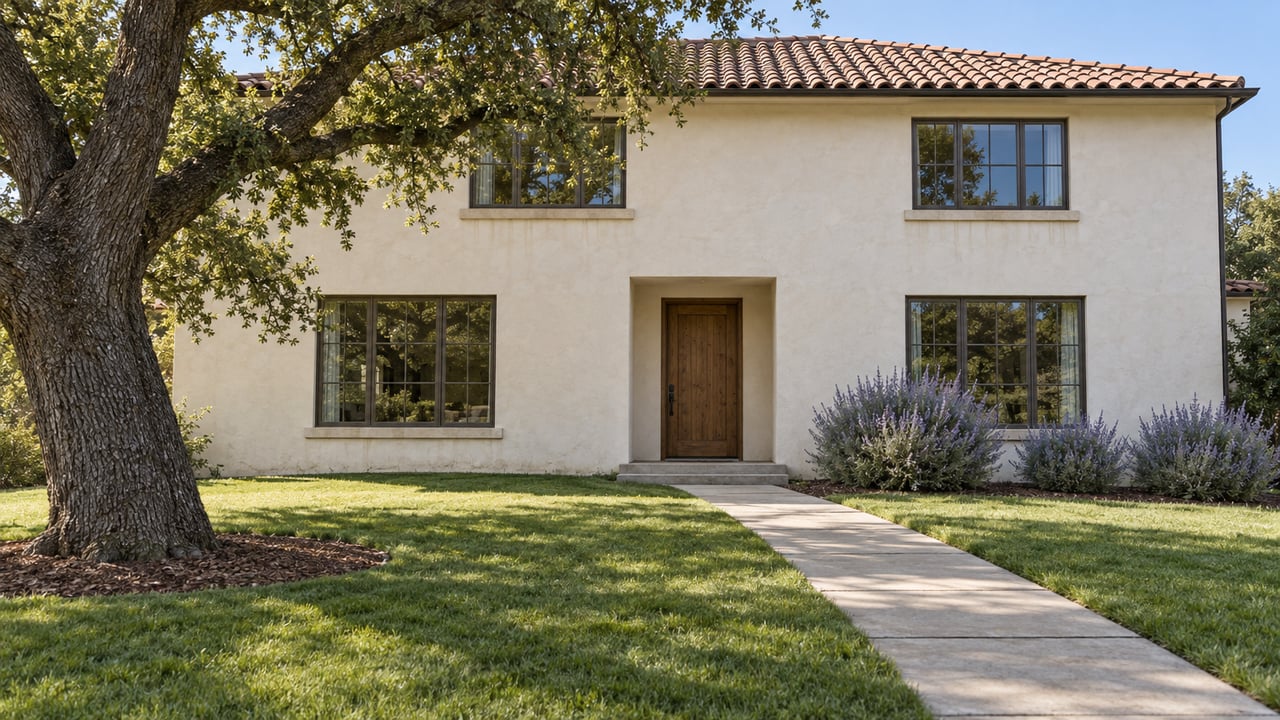
Selling a Rancho Palos Verdes home from out of the area is absolutely doable when you have the right local plan and team. You want a smooth process, clear communication, and strong results without hopping on a plane for every decision. In this guide, you’ll learn how to prepare your property, market it to qualified buyers, navigate California disclosures, and close securely from anywhere. Let’s dive in.
Why remote selling works in RPV
Rancho Palos Verdes is a high-value coastal market where buyers shop online first and expect polished presentation. Public market snapshots show strong pricing across single-family homes, with a recent median around $2.0M according to Redfin’s Rancho Palos Verdes report. A professional, tech-forward listing strategy helps you capture this demand even when you are not local.
You should also be aware of neighborhood-specific risk factors. Certain slope and bluff areas in RPV have active land movement. The Governor issued a state of emergency for the city, and the municipality provides ongoing updates and programs. If your property is in or near a mapped landslide or coastal bluff area, expect extra buyer questions, insurance considerations, and disclosure requirements. You can review the state announcement on the Governor’s emergency proclamation and follow the City’s Land Movement Updates as part of your due diligence.
Your step-by-step plan
Pre-listing prep: 4–6 weeks
- Start with inspections. Many absentee sellers order a full home inspection and add roof, sewer line scope, pest, HVAC, and chimney checks where relevant. Doing this work up front lets you plan repairs on your timeline and reduce renegotiations later.
- Pull permits and title early. Ask your agent to review permit history and request a preliminary title report before you go live. If there is unpermitted work or a title item to resolve, you want to know early.
- Vet contractors carefully. Hire licensed professionals and keep everything in writing. Verify license status and complaint history through the California Contractors State License Board. For larger work, confirm permits and insurance and keep all receipts for disclosure and the escrow file.
- Elevate presentation. Invest in professional photos, a detailed floor plan, and consider a 3D tour and a short teaser video. Quality visuals increase online engagement and help pre-qualify buyers who may tour virtually first.
Listing, marketing, and access
- Leverage the MLS. Your agent lists on CRMLS for maximum exposure and uses integrated showing tools to schedule and track appointments with clear rules on timing and access. See how MLS showing systems work in practice through CRMLS ShowingTime resources.
- Offer virtual options. Live video tours and on-demand 3D walkthroughs help buyers evaluate the property before an in-person visit. CRMLS supports live-video showings, which can reduce unnecessary access while keeping interest high. Learn more from CRMLS live video showings.
- Control keys and entry. Use an MLS-compliant lockbox or a smart lock plan and set strict showing instructions. Your agent should manage all access, including contractor visits, with documented notice and confirmation protocols. The CRMLS ShowingTime guide outlines typical workflows.
Offers, negotiation, and due diligence
- Go digital. Most offers and counteroffers are handled electronically. Set written instructions with your agent about review cadence, priorities, and deal-breakers so decisions stay efficient across time zones.
- Use your inspection strategy. If you completed pre-listing inspections and repairs, you can market that work up front and potentially shorten buyer contingencies. If you prefer an as-is approach, full disclosure still helps maintain momentum. For context on buyer and seller behaviors, see the latest NAR Profile of Home Buyers and Sellers.
Escrow, closing logistics, and remote signing
- Choose the right escrow/title partner. Confirm they have experience with remote closings, local recording, and eClosing options. If you plan to use a Power of Attorney, clear it with escrow and the buyer’s lender early. Title companies often have specific requirements and timing for POAs, outlined here by CTC Title’s POA guidance.
- Understand remote notarization. California enacted the Online Notarization Act and is rolling out implementation in stages. Many title providers already support hybrid eClosings or accept out-of-state RON under specific policies, but acceptance varies by escrow, lender, and county recorder. Check current status with the California Secretary of State’s notary alerts and confirm your escrow process early.
- Protect against wire fraud. Treat any emailed wiring change as suspicious. Always call your escrow or title company using a number you verify independently, not from the email. Report suspected fraud immediately to your bank and the FBI’s IC3. The FBI details common schemes and guidance in its wire fraud and scam advisories.
California disclosures you cannot skip
- Transfer Disclosure Statement. Most 1–4 unit residential sales require a seller-completed Transfer Disclosure Statement. Review timing and exemptions as outlined by the state. You can reference the Department of Real Estate’s overview in the DRE TDS resource.
- Natural Hazard Disclosure. The NHD is required when a sale is subject to the TDS and the property is in any of six mapped hazard zones. In RPV, sellers typically order an NHD for every listing due to coastal, fire, flood, and slope considerations. Learn more in the C.A.R. Quick Guide to Natural Hazard Disclosures.
- HOA resale package. If your home is in an HOA, California law requires delivery of a statutory resale packet. Associations charge a fee and often have specific turn times, so order early. See an overview of requirements at LegalClarity’s HOA disclosure guide.
- Landslide and bluff context. If your property is in or near mapped movement zones, highlight this early and expect additional buyer diligence. Stay current through the City’s Land Movement Updates and the state emergency proclamation. Your NHD provider will reference the applicable state-mapped areas.
Timeline, costs, and expectations
- Closing timeline. Once under contract, financed deals commonly close in about 30 to 45 days. Cash transactions can be faster. Remote elements like POA approval, RON acceptance, or overnighting originals can add time, so build in cushion. See national timing context in the NAR Profile of Home Buyers and Sellers.
- Upfront costs. Budget for inspections, cleaning, yard refresh, photography, floor plan, 3D tour, minor repairs, and the HOA resale package if applicable. These items are modest relative to the sale price, and they support stronger online presentation.
- Pricing strategy. Because buyers start online, accurate MLS data and standout visuals matter. Work from agent-curated comps and local nuance rather than public portal generalities. This is especially important in RPV micro-neighborhoods.
What a concierge listing agent should handle
A strong local listing agent functions as your on-the-ground project manager so you can focus on decisions, not logistics. Look for a partner who will:
- Coordinate vendors end to end. From inspections and cleaning to licensed repairs and staging, expect contractor scheduling, before-and-after photos, and documented receipts verified through the CSLB.
- Manage showings and feedback. Use CRMLS showing tools to schedule, confirm, and report on buyer activity. Ask for weekly written updates that summarize marketing, offers, and next steps. See typical workflows in CRMLS ShowingTime resources.
- Advise on disclosures and local risk. Ensure TDS and NHD are complete and on time and that known slope or bluff factors are addressed clearly with links to city and state updates.
- Oversee remote closing details. Confirm the title company’s eClosing and RON acceptance, help arrange a properly drafted POA when needed, and coordinate notary scheduling and document couriering. Review POA and title acceptance expectations using CTC Title’s guidance and current SOS notary updates.
- Maintain secure funds protocols. Establish a wire-verification script in writing and use a second person at escrow as a backup contact. The FBI’s warnings on wire fraud are a useful reference for your checklist.
Questions to ask in your interview:
- “Can you share a recent remote closing you managed and how you handled notarization, POA, and recording details?”
- “How will you keep me informed weekly, and what will I see in your showing activity and feedback reports?”
- “What is your plan for verifying contractors, managing bids, and documenting completed work for disclosure?”
- “How will you address RPV-specific land movement or hazard questions from buyers?”
Red flags that need extra attention
- Landslide or soil movement. If your home is in or near mapped areas, expect added diligence. Review the City’s Land Movement Updates and the state emergency proclamation. Your agent may recommend a geotechnical consult in certain cases.
- Unpermitted work. It is common in older coastal homes. Unpermitted improvements can slow or complicate closing. Address early by reviewing permit history and planning for clear disclosure. See the state’s guidance in the DRE TDS overview.
- POA and lender acceptance. Some lenders have strict POA rules and may decline certain forms. Clear the document with escrow and the lender in advance. See typical title requirements in CTC Title’s POA guidance.
- Wire and email fraud. Require phone verification for every wire using a known-good number and avoid sending personal data over unsecured email. The FBI’s advisory explains why vigilance matters.
Absentee seller checklist
- Hire a local listing agent experienced with RPV micro-neighborhoods and remote closings. Ask for a clear communication plan, weekly summaries, and examples of past remote sales.
- If the property will be vacant, engage a local property manager for cleaning, key control, utilities, trash, and access.
- Order pre-listing inspections: general, roof, sewer scope, termite, and service checks for HVAC, smoke/CO detector compliance, and other systems as needed.
- Review permit history, pull a preliminary title report, and resolve issues early.
- Verify all contractors at the CSLB. Get written bids, photos, permits, and proof of insurance. Keep invoices for escrow.
- Invest in professional photos, a floor plan, and a 3D tour. Align pricing with agent-curated comps.
- Set up secure access: MLS lockbox or smart lock, with clear showing rules in the MLS. Use CRMLS’s ShowingTime tools to manage viewing windows and feedback.
- If applicable, request the HOA resale packet early. See timelines in LegalClarity’s overview.
- Choose an escrow/title partner with remote closing experience. Confirm eClosing, RON acceptance, and any POA requirements. Review current SOS notary updates and CTC Title’s POA guidance.
- Establish wire security protocols and verify every instruction by phone. Reference the FBI’s guidance.
Ready to sell from out of area?
With thoughtful preparation, a vetted local team, and secure workflows, you can sell your Rancho Palos Verdes home without being here in person. If you want a boutique, high-touch process with proven Peninsula expertise and luxury marketing reach, connect with Jane Angel to discuss your timeline and goals.
FAQs
How do I sign closing documents from out of state for an RPV sale?
- Many escrows offer hybrid eClosings and may accept out-of-state RON under defined policies, but acceptance varies by lender and county; confirm early with escrow and review current rules via the California SOS notary alerts; a properly drafted POA may be approved by title when needed.
What disclosures are required for California sellers who live out of area?
- Most 1–4 unit sales require a Transfer Disclosure Statement, a Natural Hazard Disclosure if applicable, and an HOA resale package for association properties; see the DRE TDS resource, C.A.R.’s NHD guide, and LegalClarity’s HOA overview.
How do showings work when the home is vacant and I am remote?
- Your agent uses MLS-integrated tools to schedule and confirm access with an MLS-compliant lockbox or smart lock, sets showing rules in the MLS, and provides feedback reports; see CRMLS ShowingTime resources.
What if my Rancho Palos Verdes property is near a landslide area?
- Expect added buyer diligence and ensure your NHD addresses mapped risk; stay current with the City’s Land Movement Updates and the state emergency proclamation, and consult your agent on next steps.
How long does a remote sale usually take in Los Angeles County?
- Once under contract, many financed deals close in about 30 to 45 days while cash can be faster; remote elements like POA approval or notarization logistics can add time, so plan a buffer; see the NAR Profile.
How can I avoid wire fraud during escrow as a remote seller?
- Confirm wiring instructions by phone using a trusted number, never by email alone; treat last-minute changes as suspicious and review the FBI’s guidance for red flags and response steps.