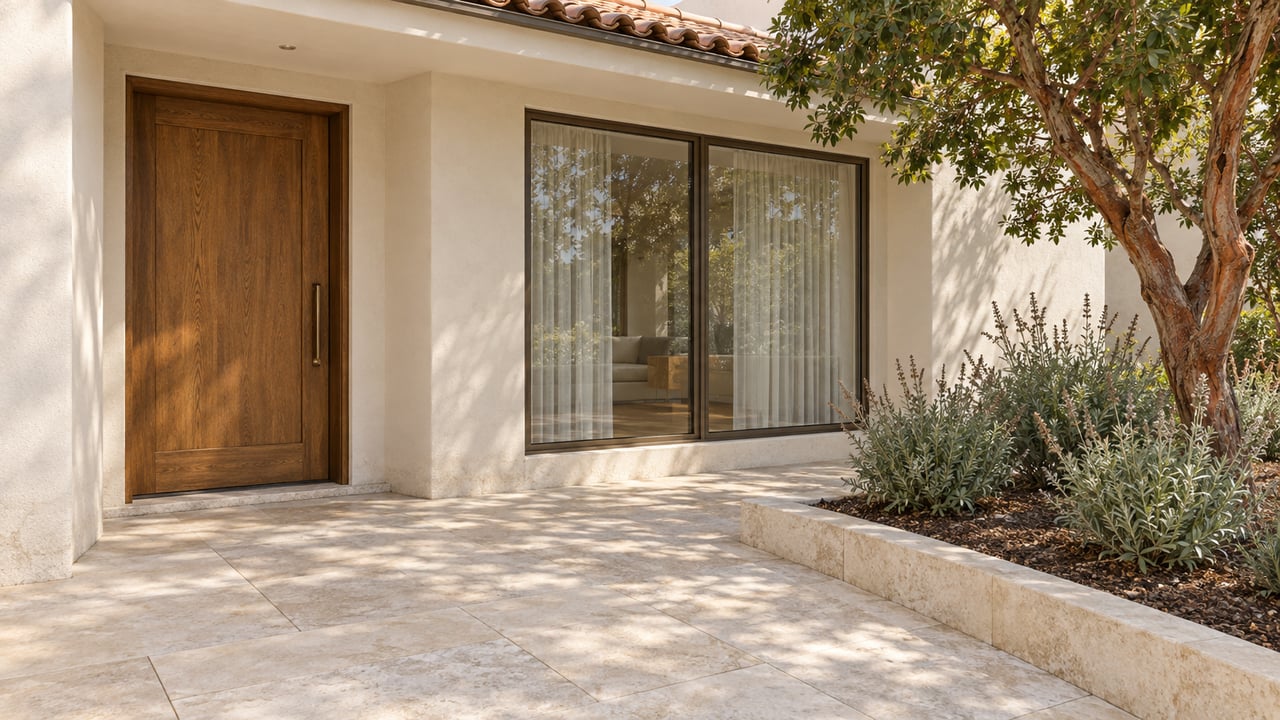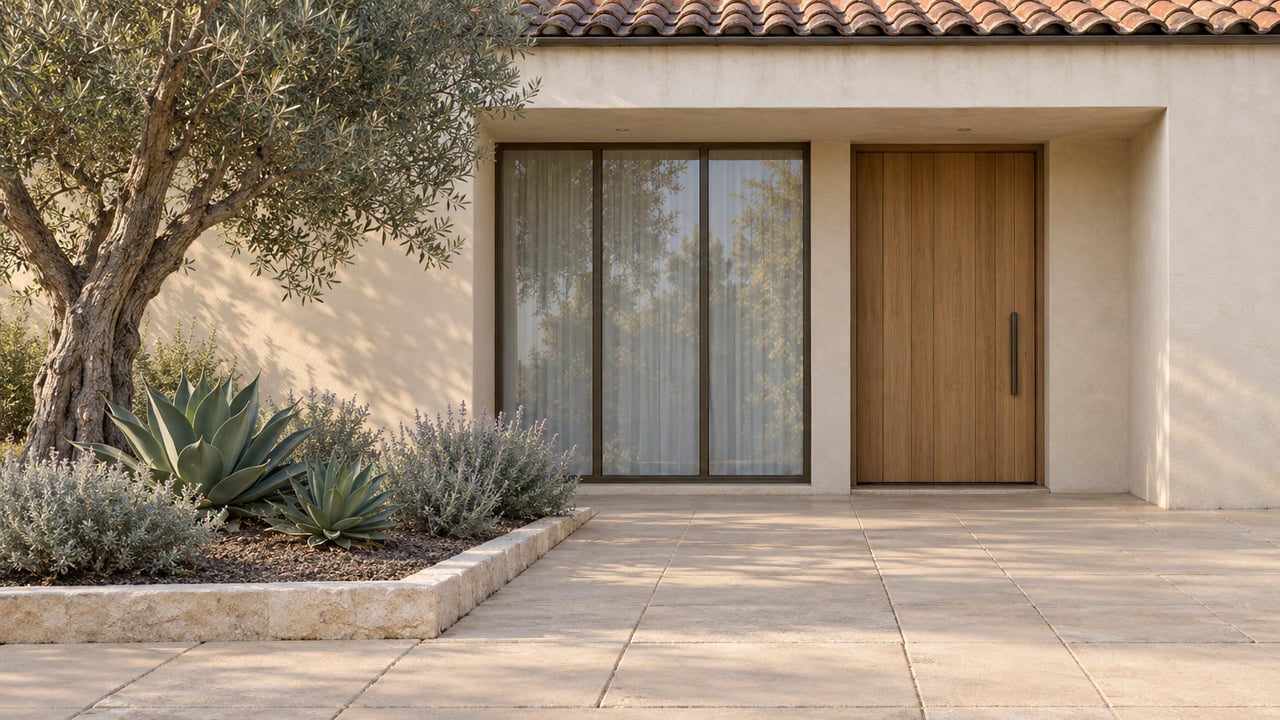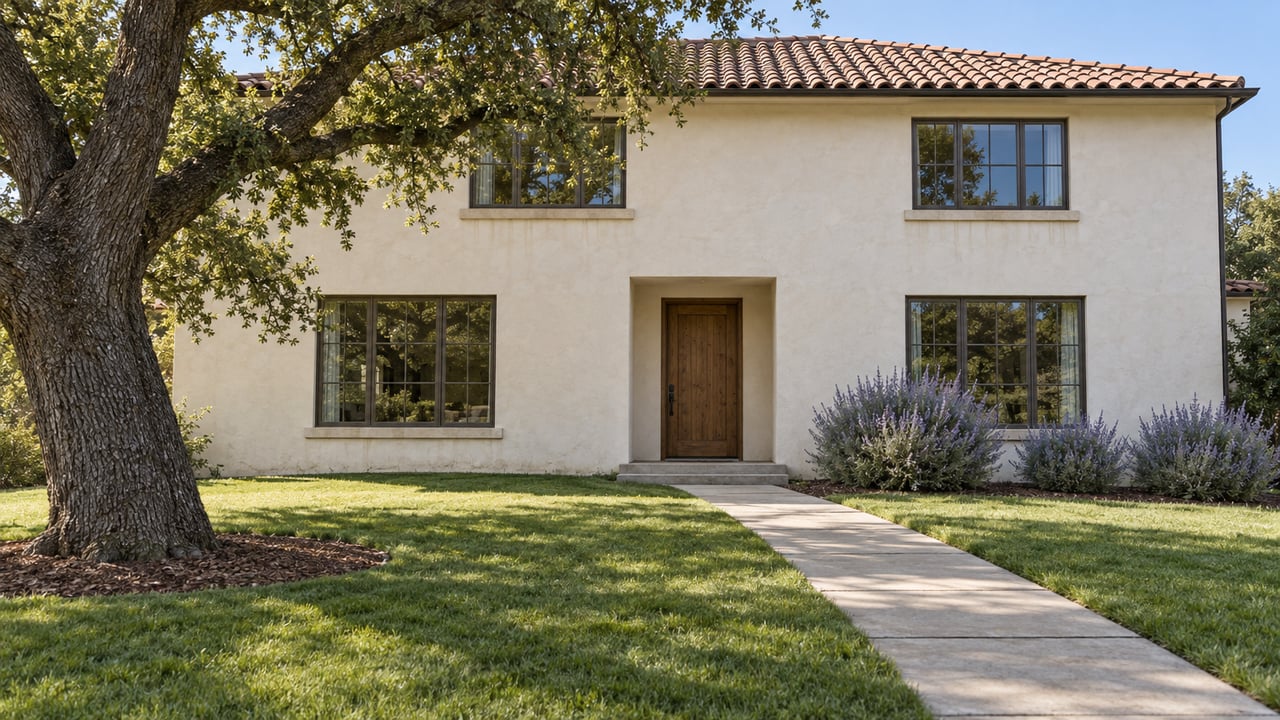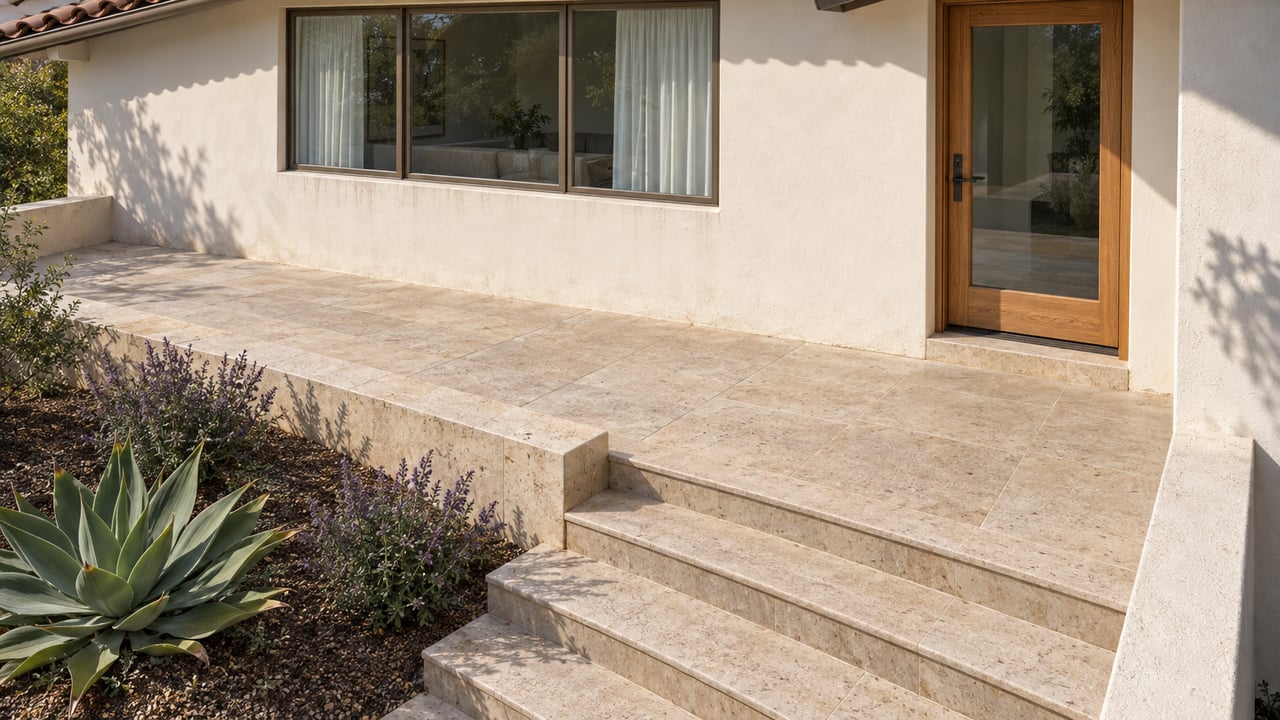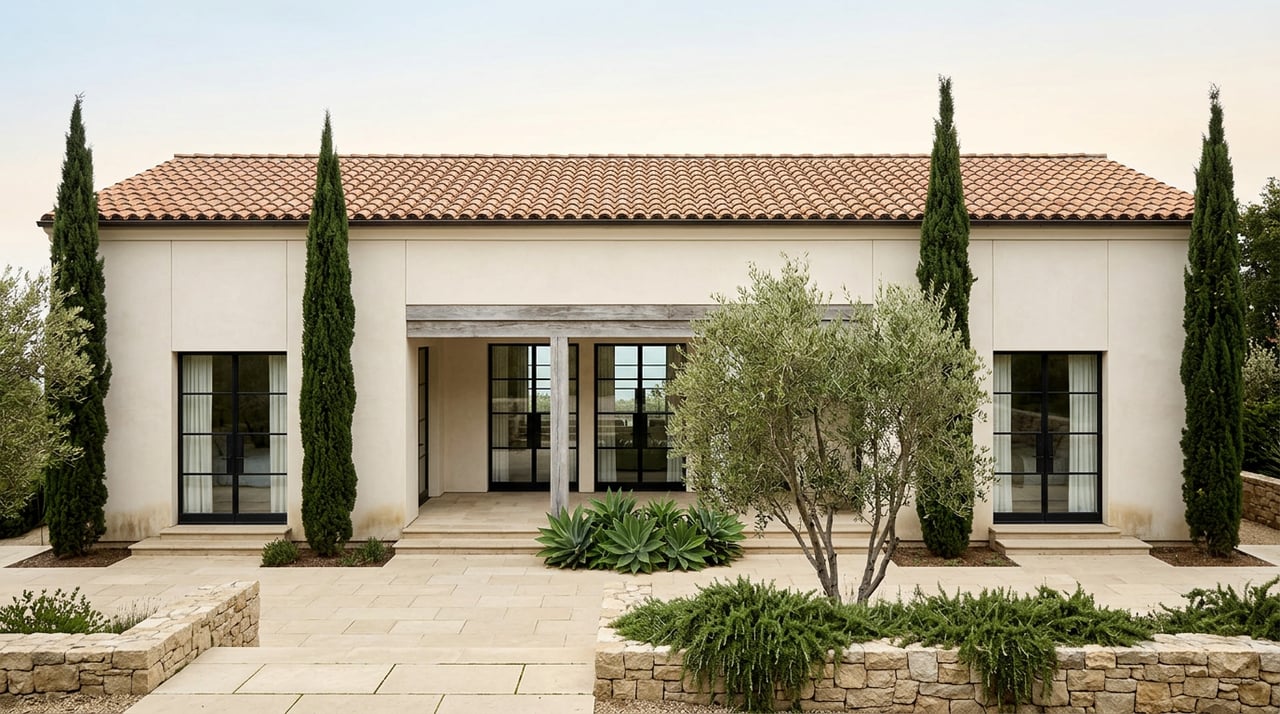
"It just creates an untenable situation for homeowners." That's how one longtime resident, quoted in an ABC7 investigation, described his fight with a body he assumed was part of Palos Verdes Estates city government. It isn't. He'd spent thousands of dollars replacing gutters to satisfy a group that no city council can override, no election can remove, and no city ordinance can supersede.
The group is the Art Jury, and if you own property in Palos Verdes Estates, or you're about to, you answer to it whether you've heard of it or not.
Two Governments, One Address
Most homeowners assume that once they've cleared the City of Palos Verdes Estates Planning Department and pulled a building permit, they're done. In this city, that assumption is the single most expensive mistake a seller can make.
The Art Jury is the architectural review arm of the Palos Verdes Homes Association, a private organization that was reviewing exterior design on this peninsula in 1923, sixteen years before Palos Verdes Estates incorporated as a city in 1939. Its authority doesn't come from a city charter. It comes from deed restrictions recorded against the land itself, restrictions the association calls the Basic Protective Restrictions. Buy a house here and you don't just move in. You become a dues-paying member of a private association whose approval requirement transfers with the title, whether you ever read the fine print or not.
That distinction matters more than it sounds like it should, and it's the reason this piece exists.
The Authority the City Can't Overrule
City governments in California answer to voters. The Palos Verdes Homes Association doesn't. Its authority traces back to the original 1923 Palos Verdes Trust Indenture, a grant that predates any city government on this stretch of coast. From the beginning, its founding architects, including Myron Hunt, who designed the Malaga Cove Library, used the Art Jury to shape the Spanish and Mediterranean character the Peninsula is still known for. Members of the Art Jury recuse themselves from reviewing their own projects, according to the association's own FAQ page. The city's Planning Department confirms this dual structure directly: review by the Homes Association is required for most projects, separate from and in addition to city permits.
A second homeowner, quoted in the same ABC7 report, was facing more than $10,000 in penalties for exterior items a previous owner had installed, on a house he'd bought two years earlier.
That single detail is the whole thesis of this post. The violation wasn't his. The bill is.
Where the Two Processes Actually Diverge
| Art Jury (PVHA) | City of Palos Verdes Estates | |
|---|---|---|
| What it reviews | Exterior appearance: rooflines, materials, color, landscaping, fences, hardscape | Zoning, setbacks, lot coverage, structural and safety code |
| Legal basis | Private deed restrictions recorded in 1923 | Municipal code and state building code |
| Who enforces | The Homes Association, through fines and, where covenants allow, liens | The city, through permits, stop-work orders, and code enforcement |
| Appeal path | Homes Association procedures or board hearings | City-designated body, often the Planning Commission, then City Council |
| Typical timeline | 2 to 8 weeks for simple projects; 3 to 9 months or longer for additions, second stories, or new construction | Runs in parallel, timeline varies by project scope |
Notice that the two columns don't answer to each other. A homeowner can hold a valid city building permit and still be in violation of the Art Jury, and the reverse is also true. Neither approval substitutes for the other, and a title company at closing has no reason to assume you have both unless someone asks.
Where This Actually Meets Your Escrow Date
Here's the part that surfaces mid-transaction rather than at listing. Before a sale in Palos Verdes Estates can close, sellers are typically expected to obtain an Art Jury compliance inspection confirming that everything visible from the street or a neighboring lot matches what was actually approved. If a prior remodel, a fence, a change in exterior paint, or a landscaping project never went through Art Jury review, the seller faces two options: apply for retroactive approval, or restore the property to its prior condition before the buyer will close.
Retroactive approval isn't guaranteed. The association's own FAQ notes that the Art Jury doesn't feel obligated to repeat past decisions it later considers a mistake, even if a similar feature was approved on a neighboring lot years earlier. That means the fix a seller assumes is a formality can turn into a design negotiation with a body that meets on its own schedule, not the buyer's.
Fees for Art Jury review are separate from city plan check fees and can run from roughly $1,000 to $15,000 depending on project scope, according to contractors who work in the city regularly. None of that is refunded if a compliance issue is discovered after a home is already under contract.
Same Rules, Different City: Miraleste
The clearest proof that this is a private system rather than a municipal one sits just outside Palos Verdes Estates city limits. The Art Jury also governs Miraleste, a neighborhood inside the City of Rancho Palos Verdes, because Miraleste was part of the same original 1920s Palos Verdes Project before either city existed. Two homes a few minutes apart can answer to entirely different design review bodies, and the dividing line has nothing to do with which city collects your property tax. It follows a map drawn a century ago.
Building the File Before You List
For sellers, the practical response is the same discipline used for any paper trail that a title company or a cautious buyer will eventually ask for.
- Pull every Art Jury approval and city permit connected to visible exterior work, going back as far as records allow.
- Request the Art Jury compliance inspection early, not the week escrow is supposed to close.
- Walk the exterior with a critical eye for anything installed by a previous owner, since the fines follow the property, not the person who did the work.
- If something was never approved, decide now whether retroactive approval or restoration is the faster path, because that decision takes longer to execute than it does to make.
- Keep copies of everything in the listing file, ready to hand a buyer's agent during due diligence.
What This Means If You're Buying, Not Selling
Buyers moving into Palos Verdes Estates from a standard HOA market often assume the seller's disclosures and the city permit history tell the whole story. Here, they don't. Ask specifically for Art Jury approval records during your due diligence period, not just city permits. If a fence, a pool deck, or a repainted exterior isn't backed by Art Jury paperwork, you may be the one, a year after closing, paying to fix a decision you didn't make.
FAQ
Does the Art Jury review interior remodels? No. Its authority covers exterior appearance, visible from the street or a neighboring property. Interior work still requires standard city building permits but doesn't trigger Art Jury review on its own.
Can the Art Jury block solar panels? Courts have generally upheld the Art Jury's authority in architectural disputes, but state law separately limits how much any homeowners association can restrict solar installations and certain accessory dwelling units. Design standards, such as panel placement visible from the street, can still apply even when the installation itself can't be blocked outright.
What if I inherited a violation from a previous owner? The obligation runs with the property, not the person who made the change. That's exactly the scenario one Palos Verdes Estates homeowner described to ABC7, facing thousands in fines for exterior work installed before his purchase. Requesting Art Jury records before you close is the only way to catch this in advance.
If you're weighing a sale in Palos Verdes Estates, or trying to buy into it without inheriting someone else's compliance problem, the paperwork matters as much as the price. Jane Angel has spent two decades managing exactly this kind of pre-listing groundwork on the Peninsula. Book an appointment before you list or write an offer, and let's build the file before it becomes a delay.