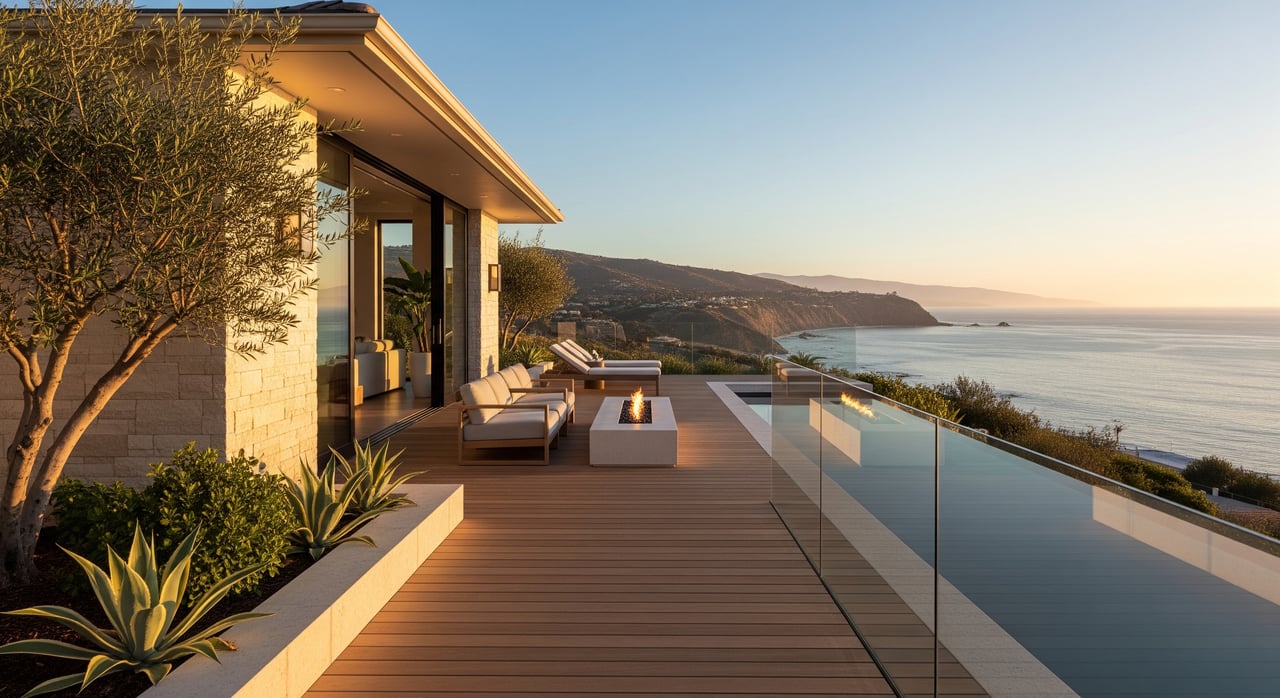
Ocean at your doorstep or a ridge-top panorama that stretches for miles? In Rancho Palos Verdes, both are within reach, which is why choosing between coastal and hilltop living can feel tough. You want the right mix of views, comfort, access, and long-term confidence in your investment. This guide breaks down the real differences so you can decide with clarity. Let’s dive in.
Coastal vs hilltop: what defines each
Rancho Palos Verdes sits on the Palos Verdes Peninsula, bordered by the Pacific on the west and south. The city’s neighborhoods are shaped by elevation, bluff edges, and open-space corridors. Many ocean-adjacent pockets hug coastal bluffs and shoreline parks, while higher-elevation areas sit along ridges and inland slopes.
Conserved lands, including the Palos Verdes Nature Preserve, thread through both settings. Trailheads near Portuguese Bend Reserve, Abalone Cove Shoreline Park, and the Point Vicente area bring coastal scenery and hiking close to home. On the hilltops and inland slopes, you’ll find larger lots and quick access to wider trail networks.
Neighborhood names are sometimes used loosely in casual conversation. If you have a specific pocket in mind, verify boundaries with city or MLS mapping before you focus your search.
Microclimate and everyday comfort
Coastal feel
Along ocean-adjacent bluffs, the marine layer often sets the tone from late spring into summer. Expect cooler daytime highs, milder temperature swings, and more overcast mornings with afternoon clearing. There can be stronger afternoon sea breezes on exposed headlands. Temperatures stay more stable year-round than in inland Los Angeles.
Hilltop feel
On ridges and higher inland streets, mornings are often sunnier when the marine layer sits below the crest. Nights can feel cooler due to elevation. Some ridgelines experience stronger winds, while lee-side pockets can be more sheltered. On foggy days, you may enjoy clearer long-distance views from above the clouds.
What this means for you
If you love crisp, sunny mornings, a hilltop may suit you. If you prefer moderated temperatures and the sound of surf, coastal areas deliver that classic feel. Visit at different times of day and in different seasons to see how the microclimate aligns with your routine.
Views: beauty and due diligence
Coastal homes often feature immediate ocean and cliff vistas, plus Catalina and Channel Islands views on clear days. Hilltop homes can capture broader panoramas, from ocean horizons to city lights and distant mountains.
One important note: California does not guarantee a general right to a view. Specific view easements or deed restrictions apply only if recorded. Before you rely on a view for value, review title, CC&Rs, and nearby permitting history to understand what is protected and what could change.
Environmental risks and insurance
Coastal bluff stability and erosion
Bluff-top and bluff-face parcels can be affected by erosion and bluff retreat. Verify bluff setbacks, the history of erosion on or near the lot, and whether coastal development permits will apply to future work. Site conditions can influence remodel scope and insurance.
Hillside landslides and wildfire
Parts of the Peninsula have documented landslide history, including areas near Portuguese Bend. Slope stability is a key factor for hillside properties, especially if you plan additions. Inland slopes and ridgelines near open space also face increased wildfire exposure. Plan for defensible-space maintenance and compliance with fire department rules.
Flooding and tsunami notes
Certain low-lying coastal coves may fall within tsunami evacuation designations. Bluff-top parcels are typically above direct inundation but still face erosion considerations. Ask for current maps and local guidance if you are evaluating shoreline pockets.
Insurance and lending realities
Hillside and bluff properties can face higher insurance costs or special underwriting for earth movement, earthquake, or wildfire. Lenders and insurers may require geotechnical reports or evidence of prior mitigation before financing or insuring a structure. Obtain quotes and lender input early to avoid surprises.
Lifestyle, access and daily living
Recreation and the outdoors
- Coastal neighborhoods: quick access to bluff-top trails, shoreline parks for walking and tidepooling, and resort dining near the Terranea area. Short beach access points and cliffside paths are common highlights.
- Hilltop neighborhoods: convenient trailheads into the Palos Verdes Nature Preserve, wider hiking and mountain biking options, and room for amenities like pools or gardens on larger lots.
Shopping and services
RPV is primarily residential. Coastal pockets may sit near small village centers or resort venues, while many errands still route to Rolling Hills Estates, Torrance, or Harbor Gateway. From the hills, you often trade proximity for privacy. Expect quieter streets and larger lots, with some longer drives on steeper roads for groceries and services.
Schools and public services
Homes in RPV are served by the Palos Verdes Peninsula Unified School District. When schools are part of your decision, review official district resources and boundaries. Fire and sheriff services are provided by Los Angeles County agencies or city-coordinated providers. On some hill streets, narrow roads and steep approaches can affect emergency access and response logistics.
Commute and navigation
RPV is car-oriented. Commuting to downtown LA or other job centers uses arterial roads, freeways, or the Palos Verdes Drive corridor. Hilltop streets can be winding with steeper grades and switchbacks. The city sits within reasonable driving distance of LAX, Torrance, Long Beach, and South Bay job hubs, though travel times vary with traffic.
Home styles, lots and projects
Coastal homes
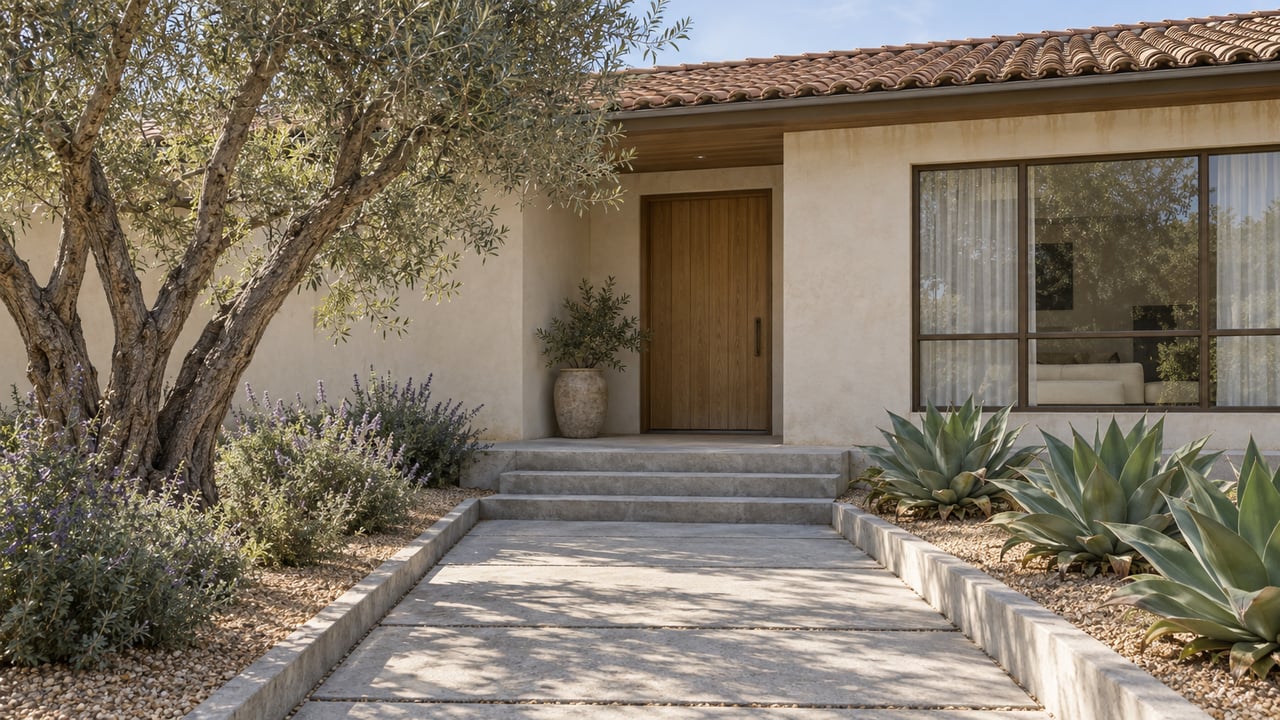
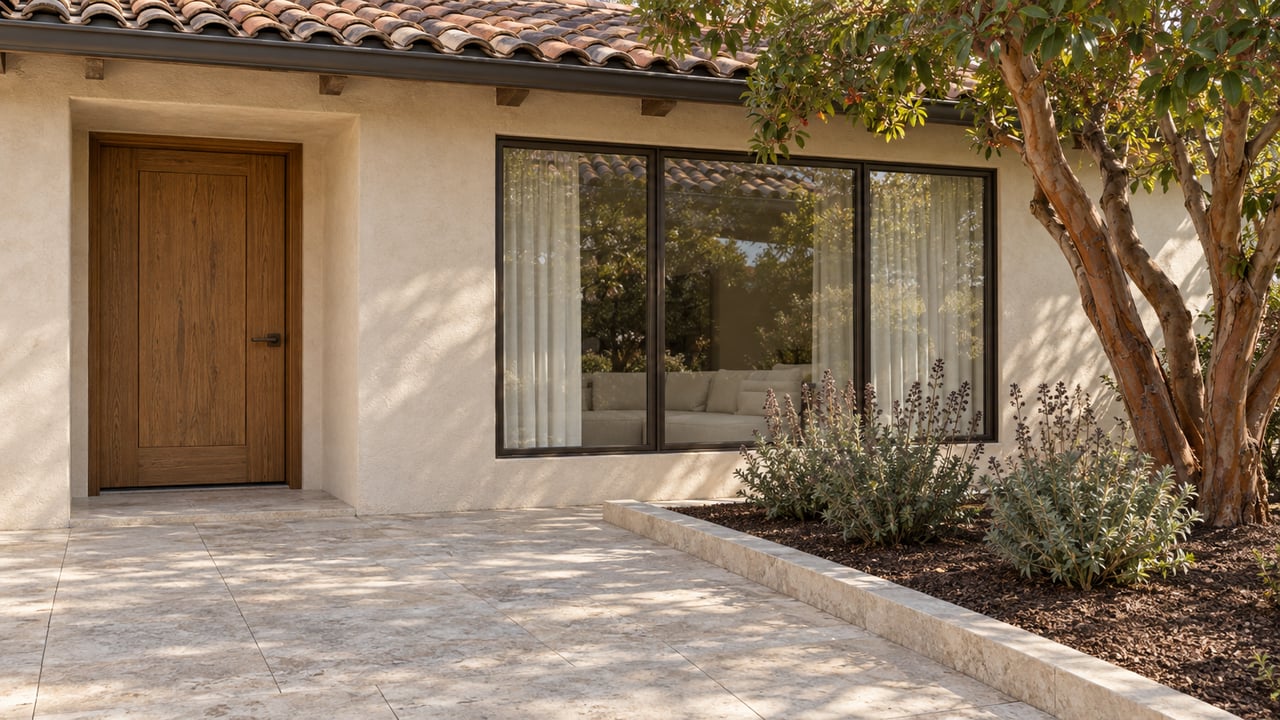
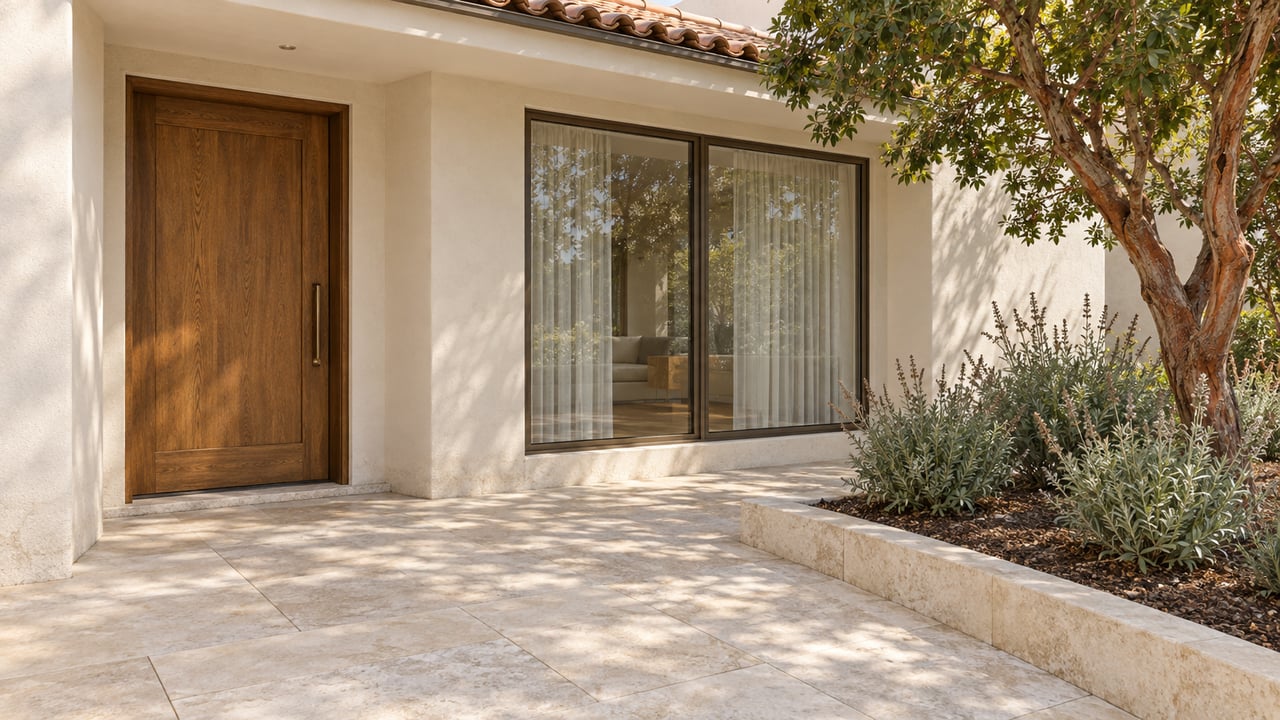
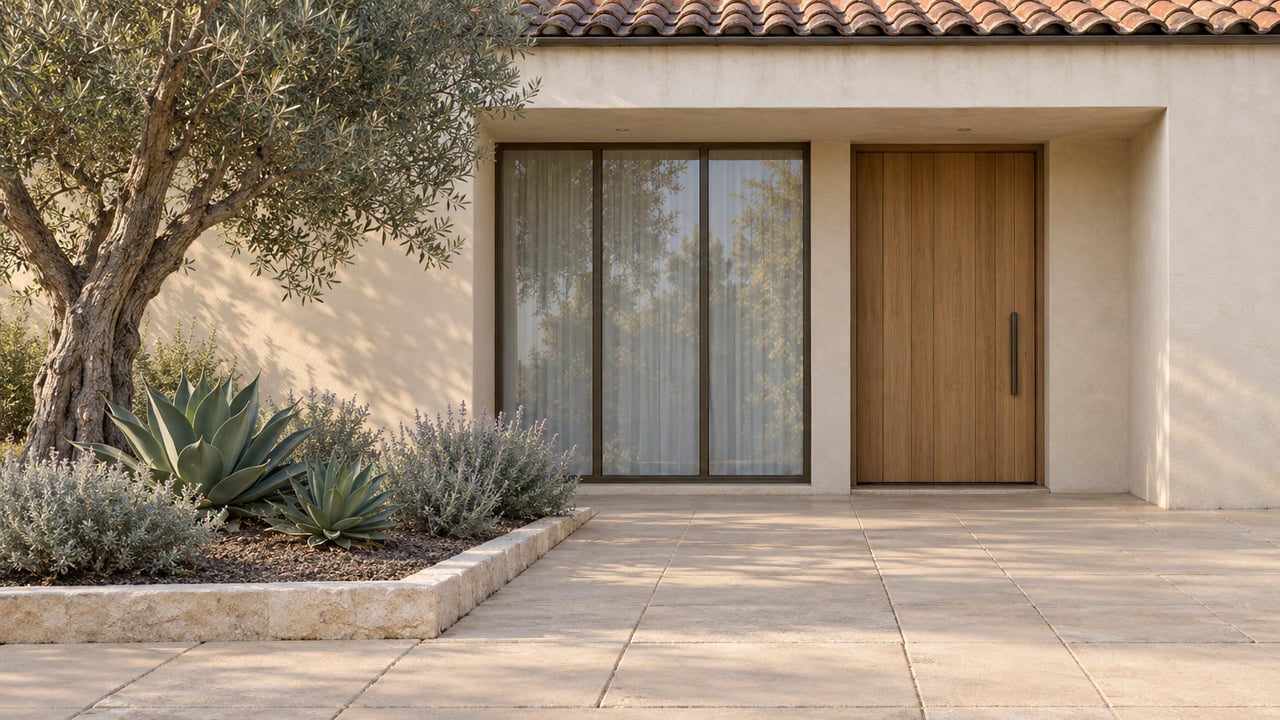
You will see many mid-century and Mediterranean-style homes on smaller lots near the bluffs. Single-level layouts are common, and remodels often aim to open ocean-facing walls and integrate indoor-outdoor living. Bluff-edge lots can face stricter setbacks and require specialized foundation or retaining solutions.
Hilltop homes
Hill areas tend to offer larger lots and custom designs that step with the slope to maximize views. Multi-level floor plans, expanded garages and driveways, and added amenities like pools or guest spaces are more common. Recent remodels and new construction are frequent on the crests and inland ridges.
Permits and constraints
- Geotechnical requirements: Additions or new builds on slopes typically need soils studies and engineering mitigation.
- Coastal development: Properties near the shoreline or within coastal zones may require a Coastal Development Permit and have rules on setbacks, grading, and vegetation.
- Grading and drainage: Hillside projects often include erosion controls and drainage plans as conditions of approval.
- HOA/CC&Rs: Some subdivisions maintain design review rules that shape what you can change.
Cost of ownership beyond price
- Coastal exposure can accelerate wear on paint, metal, windows, and exterior hardware due to salt air.
- Hillside living can bring ongoing costs for slope maintenance, retaining walls, drainage, and vegetation management for wildfire safety.
- Insurance and specialty inspections may add to annual and upfront costs in both settings.
Which lifestyle fits you? Quick checklist
Choose coastal if you value
- Immediate bluff and shoreline access for daily walks and tidepooling.
- Cooler, moderated temperatures with marine-layer mornings.
- A compact lot and a home that lives toward the ocean.
- Proximity to resort dining and coastal parks.
Choose hilltop if you value
- Larger lots, more privacy, and space for amenities.
- Sweeping panoramas that can include ocean, city lights, and mountains.
- Sunnier mornings when the marine layer sits below the ridge.
- Acceptance of longer or steeper drives for daily errands.
Smart due diligence steps
Ask precise location questions. How close is the lot to a bluff edge or steep slope, and what are the recorded setbacks and erosion history?
Review geotechnical and structural records. Has there been settlement, slope movement, or prior mitigation? Obtain or commission a site-specific geotechnical report if needed.
Confirm view and design constraints. Check for recorded view easements, CC&Rs, or HOA design rules that affect your plans and neighbors’ rights.
Clarify coastal zone status. For ocean-adjacent properties, verify whether a Coastal Development Permit applies to additions, decks, or hardscape.
Get insurance quotes early. Include wildfire and earth movement coverage where relevant to surface any underwriting limits or premium impacts.
Evaluate access and safety. Note driveway grades, tight turns, street maintenance, and how winter weather might affect daily use.
Verify utilities. Confirm sewer connection and utility access for each property you consider.
How I help you choose with confidence
Comparing bluffside charm to ridge-top grandeur is as much about lifestyle as it is about engineering, access, and long-term costs. You deserve a clear picture before you commit. With two decades representing buyers and sellers across the Peninsula, I will help you vet microclimate patterns, view protections, geotechnical history, and permit pathways, then design a tour that highlights the best matches for how you live.
When you are ready to see options, connect with Jane Angel to book an appointment. We will map your priorities, preview the right homes, and move forward with a plan you trust.
FAQs
What is the biggest weather difference between coastal and hilltop areas in RPV?
- Coastal pockets are cooler with more marine-layer mornings, while hilltops often have sunnier mornings above the fog and cooler nights due to elevation.
Are ocean views protected by law in Rancho Palos Verdes?
- California does not guarantee a general right to a view; only recorded view easements or deed restrictions are enforceable, so review title and CC&Rs.
What permits might I need for a bluff-side remodel in RPV?
- Ocean-adjacent properties may require a Coastal Development Permit and must follow rules on setbacks, grading, and vegetation; confirm with local planning.
How does wildfire risk affect hilltop homes in Rancho Palos Verdes?
- Ridgelines and inland slopes near open space can face higher wildfire exposure, so plan for defensible space, brush clearance, and home-hardening measures.
Is RPV walkable to shops and transit if I live on a hilltop?
- RPV is car-oriented; hilltop areas offer privacy and space but often require longer, steeper drives to services, with limited public transit options.
What should I ask my insurer and lender before making an offer on a slope property?
- Request site-specific underwriting requirements, expected premiums, and whether a geotechnical report or documented mitigation is required for financing and coverage.