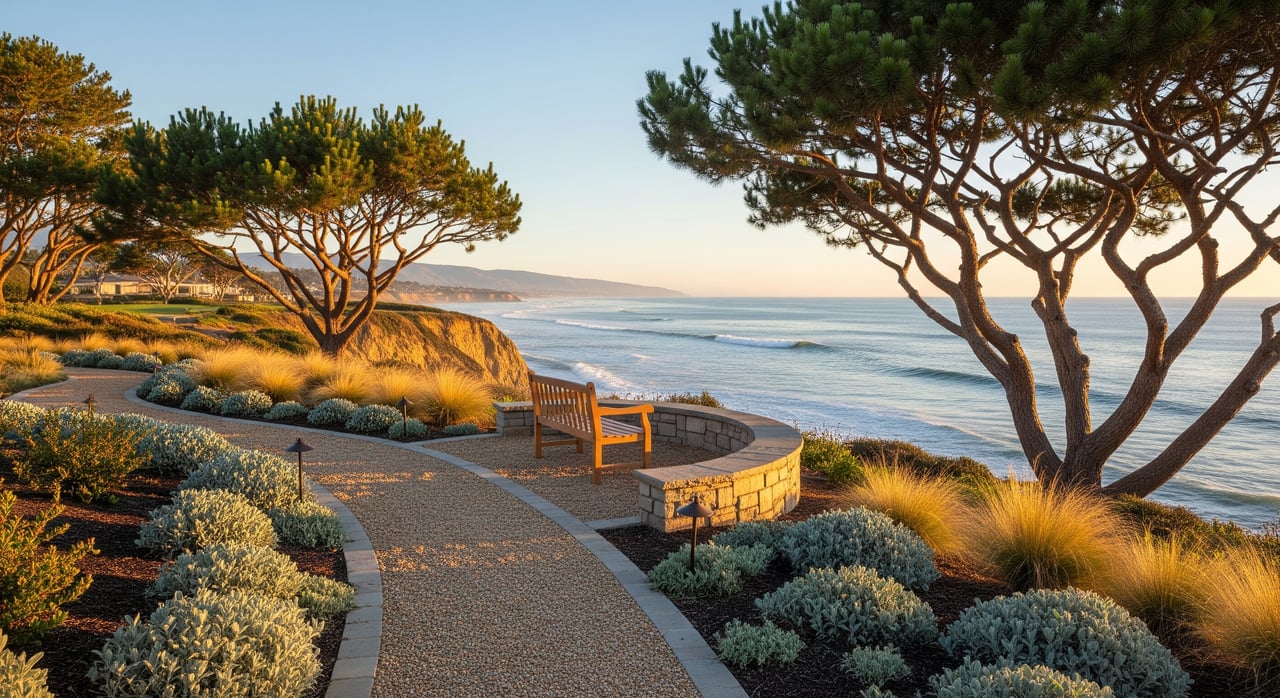
If you dream of morning cliffside walks, sunset viewpoints, and weekend tidepool trips, Palos Verdes Estates puts that coastal lifestyle within easy reach. Whether you already live here or you’re exploring a move, you want to understand which trails and parks are in the city, which are nearby, and how they shape everyday life. In this guide, you’ll find a clear rundown of local and adjacent coastal spots, practical tips for visiting, and how these amenities influence real estate decisions. Let’s dive in.
Coastal living in PVE: what to expect
Palos Verdes Estates sits on the Palos Verdes Peninsula, a compact stretch of bluffs, coves, and ridgelines overlooking the Pacific. Open space here is a patchwork of city parks, county and city-managed coastal sites, and preserves stewarded by the Palos Verdes Peninsula Land Conservancy (PVPLC). The result is a rare coastal lifestyle: bluff-top strolls, whale watching in season, and access to nearby pocket beaches and tidepools.
Many bluffs are both ecologically sensitive and geologically active. Managing agencies prioritize habitat restoration and public education, and that means some areas have posted rules, guided access, or periodic closures. The tradeoff is a healthier coastline and a safer, better-marked trail system for residents to enjoy.
Trails and parks within or right next to PVE
Paseo del Mar bluff walks
Along the Malaga Cove and Lunada Bay area, Paseo del Mar traces the bluff edge and offers a series of short, scenic walks. You can expect a mix of paved sidewalks and informal paths with sweeping ocean views. Parking is neighborhood-based and limited, so plan for a calm, local pace and be mindful of signs and neighbors.
Malaga Cove and Lunada Bay viewpoints
Small parklets and viewpoints dot the coastline, making it easy to step out for sunrise, sunset, or a quick after-dinner stroll. These are simple spaces with big views, popular with walkers and photographers. Restrooms are limited; bring water and leave no trace.
Alta Vicente Reserve (adjacent)
On the eastern end of the peninsula, immediately adjacent to PVE, the Alta Vicente Reserve provides short trails and native plant habitat. It is managed by the Palos Verdes Peninsula Land Conservancy, which leads guided hikes and restoration days throughout the year. Expect natural surfaces and a focus on habitat rather than developed park amenities.
For current information on neighborhood parklets and city-maintained spaces in PVE, check the City of Palos Verdes Estates site.
Nearby coastal favorites a short drive away
Point Vicente Interpretive Center and Park (Rancho Palos Verdes)
This popular bluff-top site near the lighthouse is known for seasonal whale watching, paved walking paths, and family-friendly exhibits. It offers parking and coastal viewpoints and is a go-to for out-of-town guests. For hours, programs, and parking guidance, start with the City of Rancho Palos Verdes.
Abalone Cove Shoreline Park (Rancho Palos Verdes)
Abalone Cove features bluff trails, beach access via stairs, and tidepools. Low tide is the best time to explore, and conditions can change with weather and surf. Before you go, review tide windows on NOAA tide charts and check the managing city’s page for any trail or stairway advisories.
Portuguese Bend Reserve (PVPLC)
This is one of the peninsula’s largest natural preserves, known for longer hikes, native habitat, and the area’s geologic history of landslide movement. Trails vary from gentle to moderately steep, and closures can occur after storms or for repairs. Find maps, docent programs, and volunteer days via the PVPLC.
Forrestal Reserve, Lunada Canyon, and more (PVPLC)
PVPLC manages a network of inland and coastal-adjacent preserves that span the peninsula, offering different trail lengths and views. Conditions and access can change seasonally. Always check current maps and any posted advisories before heading out.
South Coast Botanic Garden (nearby)
While not on the bluffs, this garden is a favorite green space for many peninsula residents. It offers paths, exhibits, and events throughout the year, complementing the rugged coastal experience with a curated botanical landscape.
Plan your visit: quick tips
Trail difficulty and surfaces
You’ll find everything from easy 0.1–0.5-mile viewpoint strolls to moderate 1–5-mile hikes in nearby preserves. Surfaces include paved sidewalks, gravel paths, single-track dirt trails, and stair descents to coves where available. Choose routes that match your fitness and comfort with elevation changes.
Parking, access, and transit
Street parking near bluff viewpoints is limited. Larger destinations like Point Vicente or Abalone Cove have small lots that fill on weekends. Public transit is limited on the peninsula, so most visitors arrive by car. Build in extra time for parking, especially during peak hours and good-weather days.
Hours, fees, and rules
Most public coastal spaces follow daylight hours. Many sites are free, while some facilities, like botanic gardens, may charge admission or parking fees. Dog policies vary by managing agency, and some preserves restrict dogs to protect wildlife. Check the PVPLC and your destination city’s site, such as PVE or RPV, for current rules and hours.
Safety and seasonal notes
- Bluff safety: Coastal bluffs can be unstable. Stay behind barriers and obey posted signs. Do not approach the cliff edge or use unmaintained social trails.
- Tidepools: Aim for low tide and wear shoes with good traction. Review timing on NOAA tide charts and avoid incoming tides.
- Landslides and closures: Areas like Portuguese Bend have a history of ground movement. Watch for temporary closures after storms or for repairs.
- Weather: Expect morning marine layer and mild temperatures most days. Whale watching varies by season; check local interpretive center updates.
Amenities and services
Restrooms are limited at smaller trailheads. Larger parks and interpretive centers may provide facilities. Cell service can be spotty along the coast and in some preserves. Bring water, sun protection, and a charged phone.
Conservation, regulations, and how to get involved
The peninsula’s open spaces are managed through collaboration. The Palos Verdes Peninsula Land Conservancy oversees many preserves and leads restoration, guided hikes, and educational programs. The City of Palos Verdes Estates maintains neighborhood parks and access points, while the City of Rancho Palos Verdes manages popular coastal sites like Point Vicente and Abalone Cove. County parks and state agencies also play key roles.
Marine areas and tidepools fall under state protections. Learn more about marine protected areas from the California Department of Fish and Wildlife, and review coastal access and permitting considerations with the California Coastal Commission. These safeguards protect sensitive habitat and help keep the coastline safe and accessible.
If you want to meet neighbors and learn the local ecology, consider volunteering at a restoration day or joining a docent-led hike with PVPLC. It is a friendly way to connect with the community and support the places you love.
What this means for homeowners and buyers
Proximity to natural open space is a hallmark of Palos Verdes living. Bluff-top walks and nearby preserves often rank high on buyers’ wish lists. Research by organizations such as the Trust for Public Land has found that quality parks and open space can enhance property desirability and, in many markets, support higher values. The exact impact depends on park quality, access, and views.
There are also important considerations. Bluff-side properties and projects near the coast may be subject to coastal permitting and strict safety standards. Erosion, landslide monitoring, and view preservation can influence renovation scope, insurance, and maintenance planning. If you are evaluating a home close to the bluffs or preserves, factor in agency rules, posted setbacks, and long-term stewardship of the land.
A simple coastal morning route to try
- Start near Malaga Cove and head toward the Paseo del Mar bluff walk for a relaxed coastal stroll.
- Pause at a viewpoint to watch the kelp beds and passing seabirds.
- If time allows, drive a few minutes to Point Vicente for easy paved paths and, in season, a chance to spot migrating whales.
Always check city pages and PVPLC for current access details before you go.
Ready to explore homes near the coast?
If you want a home that puts trails, tidepools, and sunset viewpoints at your doorstep, you need a local advisor who understands both the lifestyle and the regulations that shape coastal property decisions. Reach out to Jane Angel to discuss neighborhoods, timing, and a plan tailored to your goals.
FAQs
Which PVE-area coastal trails work for small children?
- Look for short, paved or gently graded segments near Paseo del Mar and the paved paths at Point Vicente; avoid steep stair descents and unmaintained trails.
Are dogs allowed on Palos Verdes Peninsula coastal trails?
- Policies vary by preserve and city; some ecological areas restrict dogs or require leashes. Check PVPLC and your destination city’s site before you go.
Is it safe to walk near the cliff edge in Palos Verdes Estates?
- Stay behind railings and posted signs. Bluff edges can erode and collapse without warning; use only maintained paths and designated access points.
Where can you access the beach near PVE?
- Access is limited to official stairways at nearby sites like Abalone Cove; availability can change with tides and conditions. Review NOAA tide charts and the managing city’s updates.
Do trails on the peninsula close due to landslides or erosion?
- Yes. Areas such as Portuguese Bend have a history of ground movement. Check the City of Rancho Palos Verdes and PVPLC for current advisories.