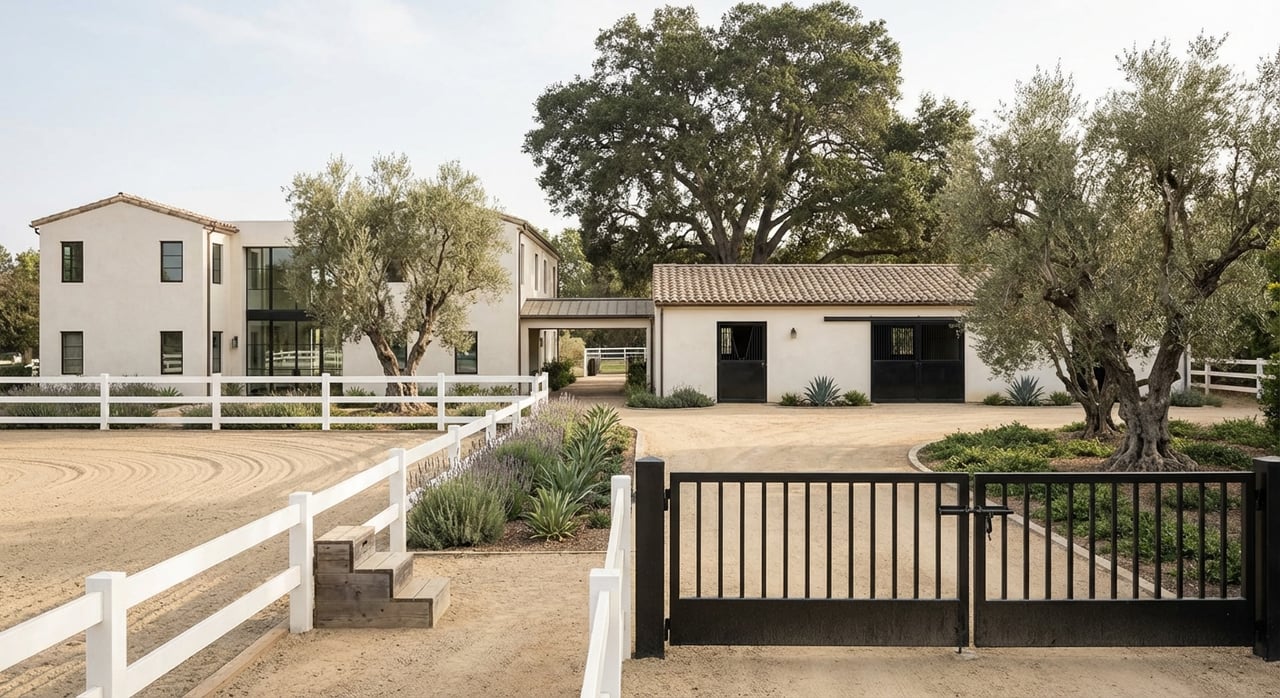
Picture this: you finish your morning coffee, saddle up, and step onto a tree-lined trail just minutes from your front door. That mix of everyday ease and open-air freedom is what draws so many riders to Rolling Hills Estates on the Palos Verdes Peninsula. Whether you keep a horse at home or prefer the convenience of a nearby stable, you can build riding into your daily routine here.
In this guide, you’ll learn how the local trail network works, where people board and train, what to look for in a horse-friendly home, and how community clubs keep the lifestyle active year-round. Let’s dive in.
Rolling Hills Estates at a glance
Rolling Hills Estates is known for its equestrian-friendly culture. The City highlights programs, municipal facilities, and an extensive trail system that supports both new riders and longtime owners. You can explore the City’s overview and current offerings on the official equestrian page.
Trail access is a defining feature. City materials note more than 20 to 30 miles of maintained bridle trails across the area the City manages, with posted rules and etiquette for safe sharing. For maps, updates, and use guidelines, start with the City’s equestrian and bike trails information and the Peninsula-wide resources from the Palos Verdes Peninsula Horsemens Association.
Homes vary from classic single-family properties with generous yards to larger estate sites across the Peninsula. Local housing guides report a median lot size around 18,295 square feet, with many listings highlighting equestrian-friendly features like barns, turnout areas, or direct trail access. Some neighboring properties in the City of Rolling Hills and other estate pockets on the Peninsula sit on one acre or more. Always confirm current use and any applicable CC&Rs or permits that matter for your plans.
Your daily riding rhythm
Most riders keep a simple cadence. Morning chores might include feeding and turnout or a quick grooming session before work. Evening rides often happen on the bridle trails or in a local arena, with weekends reserved for longer trail outings or lessons.
If you board, your week may revolve around a regular lesson block and set care windows. Families often lean on programs and camps to keep kids riding consistently. The City’s well-known Peter Weber Equestrian Center offers lessons, camps, and community programming that make it easy to stay in the saddle.
Socially, the calendar is active. Group rides, small shows, and club gatherings give riders of all levels a place to connect. The private but community-minded Empty Saddle Club in Rolling Hills Estates often hosts events that celebrate Western riding traditions, from social rides to Cowboy Days.
Where you ride and board
Public bridle trails
Public trails are the backbone of everyday riding here. You will find posted etiquette for passing, right of way, and shared use with pedestrians and cyclists. The City publishes maps and safety tips on the trails information page. For a Peninsula-wide view, including connections beyond city limits, the PVPHA trail guide and resources are a go-to reference.
Private trails in the City of Rolling Hills
Rolling Hills Estates is distinct from the neighboring, gated City of Rolling Hills. Inside that private community, the Rolling Hills Community Association manages its own bridle trail network with rules that differ from the public system. Non-residents typically need a trail badge or must enter under a resident’s sponsorship. If you plan to ride there, review the RHCA bridle trails information for current access details.
Stables, lessons, and training
You have a range of options if you prefer boarding or want structured training:
- Peter Weber Equestrian Center. Municipal facility offering lessons, camps, boarding, and trail rides. It is often the first stop for families and new riders. Explore current programs at the center’s site.
- Palos Verdes Stables. A long-running full-service stable with lessons, arena space, and boarding. Check schedules and availability at Palos Verdes Stables.
- Additional private barns and clubs. Options across the Peninsula include facilities that teach English and Western disciplines, run youth programs, and host shows. Availability and operations change, so always confirm details directly with each barn.
What to look for in a horse-friendly home
The right property balances comfort for you with safety and function for your horses. As you tour, focus on practical features you can see and measure.
Barns and stall layouts
- Stall sizes commonly range from 10 by 10 to 12 by 12 feet for general use.
- Look for a functional plan that includes a tack room, feed and hay storage, ventilation, and a separate manure storage area.
- Ensure delivery access for hay and shavings and safe paths between stalls, turnout, and arenas.
Turnouts, paddocks, and shelters
- Multiple turnout options help keep horses balanced. Smaller runs are useful for quick release, while larger paddocks support longer turnout.
- Loafing sheds or shelters should be oriented to block prevailing winds, with safe footing and good drainage.
Arenas and footing
- Outdoor practice rings often fall in the 60 by 120 to 100 by 200 foot range.
- Footing and grading matter on Peninsula slopes. Confirm drainage, base layers, and how winter rain affects the surface.
- Lighting and fencing improve safety, but materials and heights may be subject to local standards or community rules.
Fencing and access
- Look for visible, horse-safe fencing such as post and rail, pipe, or horse-safe vinyl.
- Gates wide enough for trailers, typically 12 to 16 feet, make life easier when you load in and out.
Wash racks and tack convenience
- A dedicated wash rack with drainage is a big plus. Warm-water wash racks are a comfort you will appreciate.
- Organized tack rooms and safe cross-tie areas keep daily routines smooth.
Utilities, usable area, and slope
- Water supply, septic capacity, and the amount of truly usable flat area often determine whether a property functions well as a horse property.
- Focus on usable acreage rather than just total lot size, especially on hillside sites.
Zoning, overlays, and CC&Rs
- Rules can vary by parcel and neighborhood. Before you buy or retrofit for horses, confirm current requirements with the City and any applicable HOA or CC&Rs. The City’s equestrian page is a helpful starting point for contacts and current programs.
Trail etiquette and everyday safety
Shared trails work best when everyone follows common-sense guidelines. Yield to horses when you are on foot or a bike, pass slowly, and communicate clearly when approaching from behind. Keep dogs leashed in posted areas and stay on marked paths to protect habitat and footing.
If you are new to the system, download current maps, review posted rules, and ride with a friend the first few times. Local clubs often organize guided rides, which are a great way to learn the network and meet neighbors.
Stewardship: manure, runoff, and wildfire readiness
Good horsekeeping supports both your property and the Peninsula’s canyons and storm drains. The City shares best management practices for manure storage, runoff controls, and local services that can help with collection or composting. For practical tips and City literature, start with the horsekeeping practices page.
The region is also fire prone. Many owners plan defensible space around barns and keep hay and shavings stored in a manner that reduces ignition risk. Maintain clear emergency access for trailers and first responders, and build a simple contact plan with neighbors or your boarding barn.
Community, clubs, and shows
Clubs knit the culture together. The Empty Saddle Club hosts events that celebrate the area’s riding traditions and offer a friendly entry point for new residents. Peninsula organizations like the PVPHA and Caballeros groups support trail preservation, social rides, and history. Local circuits, including the Los Serranos Award Circuit, bring shows to the area and offer approachable opportunities for youth and adult amateurs.
If you have kids, look for school-year lessons and summer camps to build skills and confidence. Weekend breakfasts after a group ride or a small show can quickly become family traditions.
Buying or selling with confidence
If you are buying, a clear checklist ensures the property fits your goals: usable acreage, trailer access, stall count and layout, turnout options, arena size and footing, fencing, wash racks, water and septic, and proximity to trails or stables. If you are selling, spotlight those same features in your marketing, alongside high-quality visuals that show how the property lives day to day.
As a long-time Peninsula specialist, Jane advises on pre-listing preparation, contractor coordination, staging, and how to position equestrian amenities for maximum impact. For buyers, she helps evaluate the practical details that make a property work, and navigates neighborhood rules so you can move forward with clarity.
Ready to explore equestrian living in Rolling Hills Estates or to position your horse-friendly home for a standout sale? Connect with Jane Angel to start a focused conversation about your next move.
FAQs
What defines Rolling Hills Estates as an equestrian community?
- The City supports riders with programs, a municipal equestrian center, and more than 20 to 30 miles of maintained bridle trails. Begin with the City’s equestrian overview for context.
Where can beginners take lessons or join camps in Rolling Hills Estates?
- The Peter Weber Equestrian Center and Palos Verdes Stables offer lessons and seasonal programs for youth and adults. Always confirm current schedules directly.
How do private Rolling Hills trails differ from public trails?
- The private, gated City of Rolling Hills maintains its own trail network with badge and host requirements that differ from public trails in Rolling Hills Estates. Review rules on the RHCA trails page.
What home features matter most for horse owners on the Peninsula?
- Focus on stall layout, safe fencing, multiple turnouts, an arena with proper footing and drainage, wash racks, wide trailer-friendly gates, ample water, septic capacity, and usable flat area.
How do I verify whether a property can keep horses?
- Check current requirements with the City and any HOA or CC&Rs tied to the parcel. The City’s equestrian page is a good first stop for contacts and program details.
Are there local clubs and events for riders and families?
- Yes. The Empty Saddle Club hosts community events, and groups like PVPHA organize trail resources and social rides. Local circuits also run approachable shows across the Peninsula.