What is it really like to live inside a quiet, guard-gated city with horse trails, wide views, and private roads? If you have heard about Rolling Hills on the Palos Verdes Peninsula, you probably picture calm streets and country living. You want the real details on homes, rules, daily routines, and how life behind the gates actually works. This guide walks you through the essentials so you can decide if Rolling Hills fits your lifestyle and goals. Let’s dive in.
Rolling Hills at a glance
Rolling Hills is a small, incorporated, guard-gated city on the Palos Verdes Peninsula with private roads and three staffed entry gates. The city covers about 2.99 square miles and had a 2020 population of roughly 1,739, sitting at higher elevations with long views toward the ocean and downtown Los Angeles. You will notice the quiet immediately because access is controlled and roads are not open to the general public. For a high-level overview of the city’s history and geography, see the Rolling Hills city profile.
Daily life is shaped by two entities: the City of Rolling Hills and the Rolling Hills Community Association (RHCA). The City handles municipal functions, while RHCA manages gates, architectural review, and common-area maintenance. RHCA’s public guidance is the best lens for how things work on the ground. You can find core rules and ownership notes in the RHCA’s buying, selling, and leasing resources.
Homes, lots and look
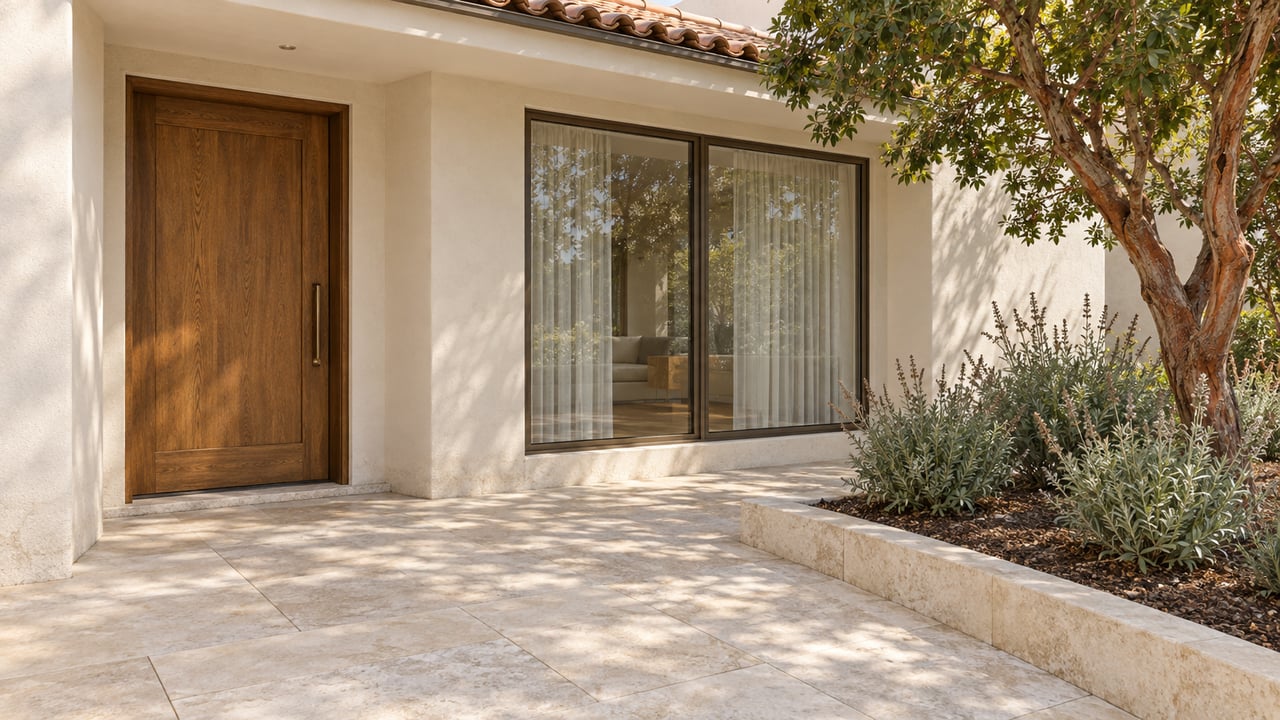
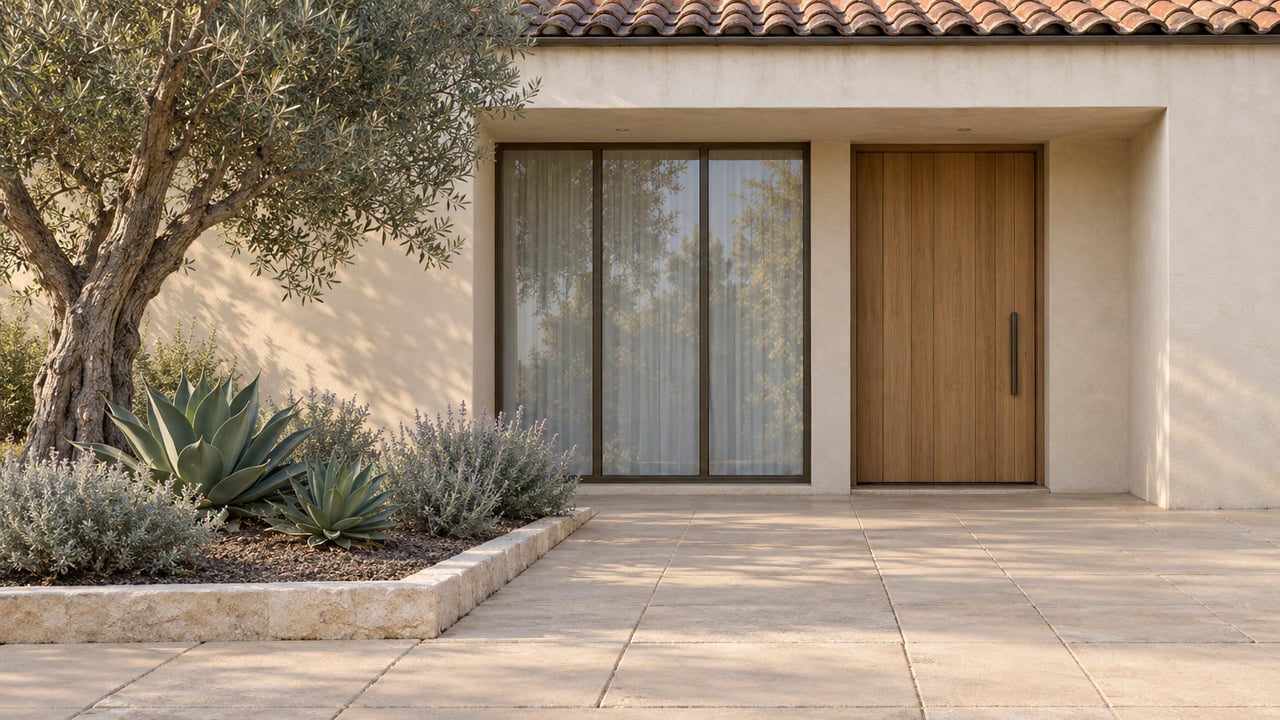
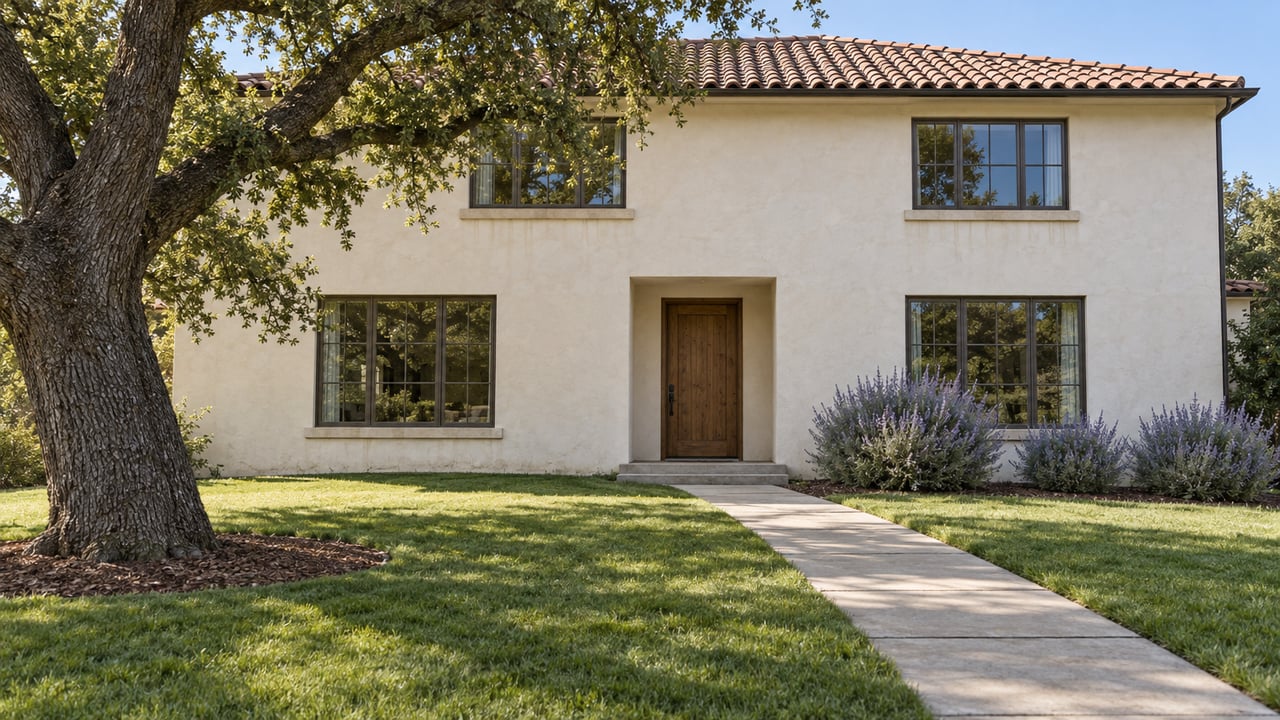
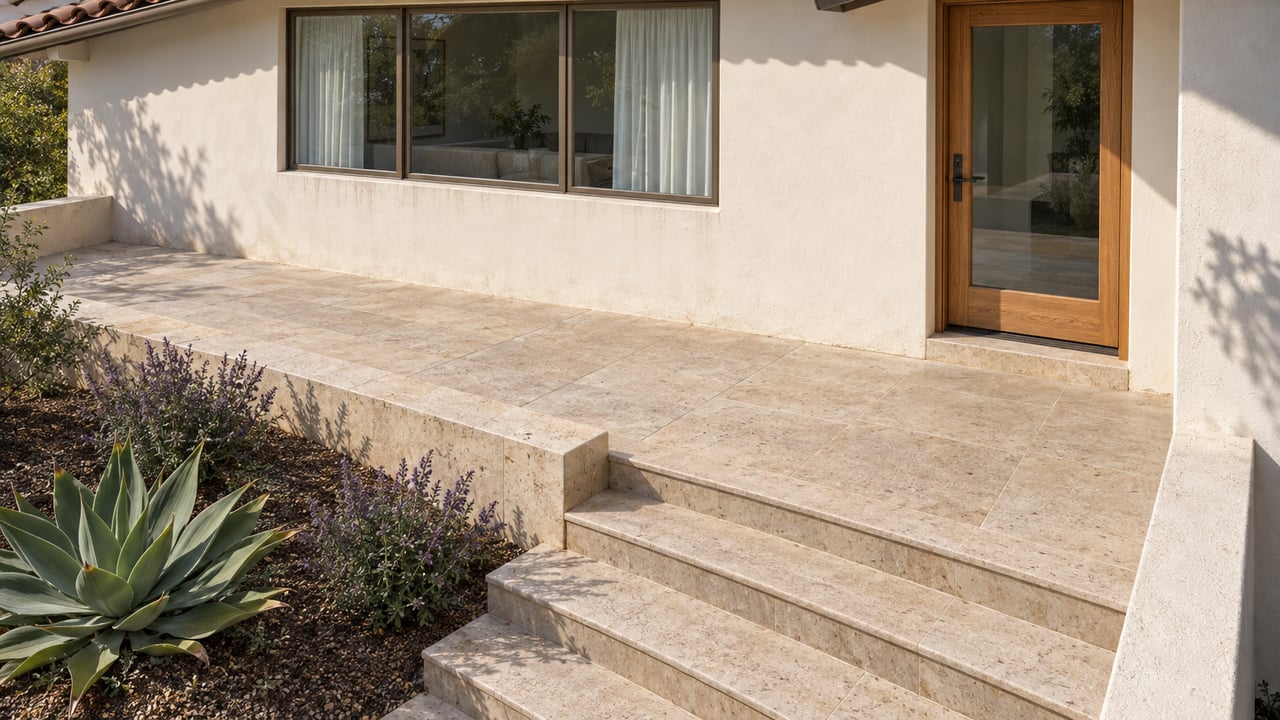
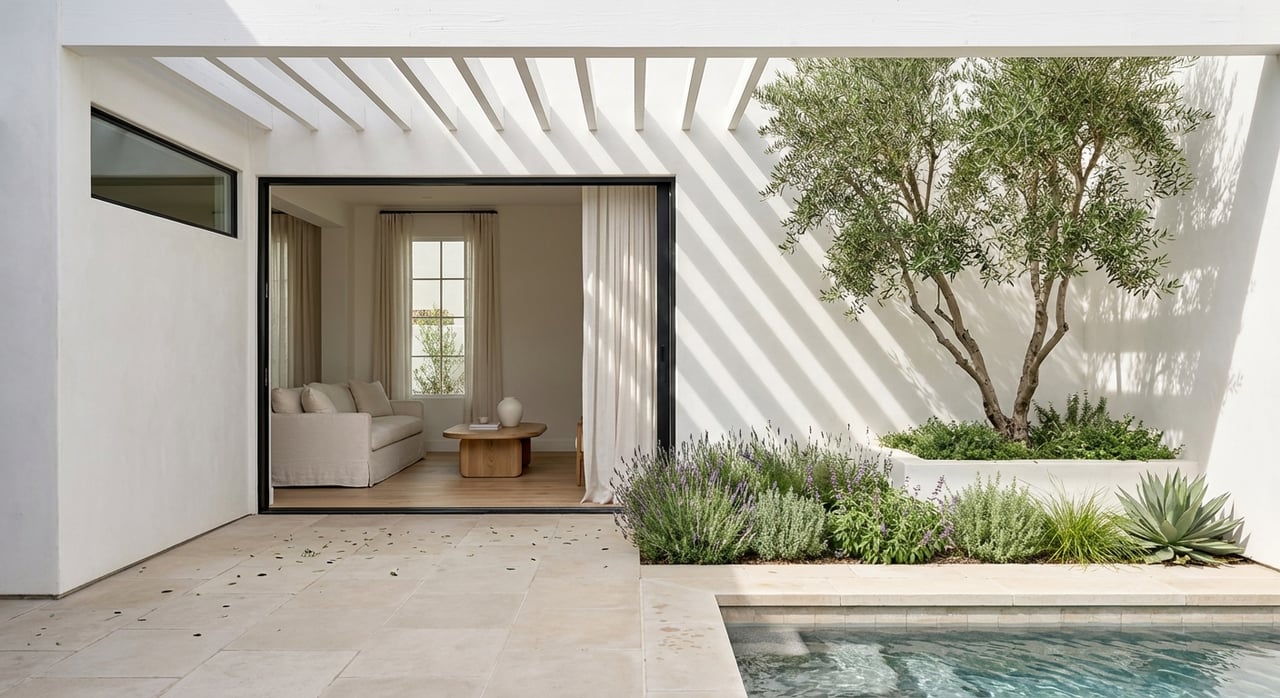
Most homes sit on large estate parcels. RHCA materials describe single-family homes on minimum one-acre lots and a community of roughly 690 residences. Architecture leans single-story ranch and Spanish hacienda styles that sit low on the land to protect views and open space.
Curb appeal follows clear standards. RHCA design rules require exteriors to be painted pure white and regulate perimeter fences, which are typically 3-rail white fencing. Any exterior changes, new builds, or major repairs go through both City and RHCA review with a formal plan-check. These rules create the uniform, pastoral aesthetic you see along the roads. For specifics, review the RHCA’s architectural and design guidance.
Gates, privacy and access
Privacy in Rolling Hills is practical, not just perceived. Roads are private and there are three staffed entry gates. Visitors and service providers must be pre-authorized by a resident through the RHCA’s guest-list system, and residents may register vehicles to receive transponders. Non-resident bicycles and motorcycles are prohibited, and service providers follow restricted entry days and hours. These policies shape how you plan deliveries, contractor schedules, and social events. For details on entry rules and event procedures, see the RHCA’s Gate Policy.
Real estate showings also follow strict rules. Public open houses and on-site signage are not allowed, and advertisements typically omit street addresses. Showings happen by appointment, with guests pre-cleared at the gate. Leasing is limited to whole-property leases and includes vehicle documentation and deposits. RHCA summarizes these points in its buying, selling, and leasing overview.
Equestrian life and trails
Rolling Hills was designed with an equestrian identity that is alive in daily routines. RHCA maintains nearly 30 miles of internal bridle trails, along with two riding rings, the Caballeros Ring and the Clif Hix Ring. You will see morning and evening rides as a normal part of the rhythm here. Bicycles and motor vehicles are not allowed on the bridle trails, and non-resident riders must carry an RHCA trail badge. For current trail-access guidance and badges, start with RHCA’s trail badge information and details on bridle trails and rings.
Local clubs and community events add to the social fabric. Equestrian organizations host rides and gatherings on the Peninsula throughout the year, which many residents enjoy. For a flavor of local horse-community activities, browse the Palos Verdes Peninsula Horsemen’s Association events archive.
Daily rhythm and amenities
Inside the gates, the experience is quiet and rural in feel. There is little to no commercial zoning within the city limits, so you drive to nearby Rolling Hills Estates, Rancho Palos Verdes, and other South Bay communities for groceries, dining, and services. Limited through-traffic, minimal street lighting in some areas, and few sidewalks contribute to the “country in the city” character often noted in regional coverage. For a window into that long-standing identity, see this Los Angeles Times feature.
Public schools for the area are part of the Palos Verdes Peninsula Unified School District. If schools are part of your decision-making, you can learn more about the district via the PV Peninsula Unified School District overview. As always, verify the current attendance boundaries directly with the district.
Fire safety and hazards
Rolling Hills sits in a high wildfire-hazard area, so vegetation management is a normal part of homeownership. RHCA has adopted Fire Fuel Management strategies and coordinates defensible-space practices community-wide. Los Angeles County Fire Department operates Station 56 inside the community, and annual brush inspections are part of the calendar for many owners. Review RHCA’s Fire Fuel Management guidance and the Station 56 listing from LA County Fire here.
Land movement is another regional consideration on the southern edge of the Peninsula. The Portuguese Bend area is known for instability that sometimes requires trail or road remediation nearby. You can learn about the adjacent public open space at the Portuguese Bend Reserve in Rancho Palos Verdes.
Buyer and seller checklist
Use this quick list to set expectations if you plan to buy or sell in Rolling Hills:
- Approvals and design: Expect both City and RHCA review for new construction and exterior changes. RHCA standards include pure white exteriors and regulated 3-rail fencing.
- Showing logistics: No public open houses or on-site signs. Showings are private, by appointment, with guests pre-cleared on the resident’s gate list.
- Visitor and vendor access: Service providers follow restricted entry hours and days. Non-resident bicycles and motorcycles are prohibited on private roads.
- Leasing limits: Whole-property leasing only, with tenant documentation and deposits for vehicles through RHCA.
- Assessments and fees: RHCA levies an annual assessment and maintains a schedule of fees. Confirm current figures directly with RHCA before you budget.
- Daily convenience: There is little to no retail inside the city. Plan for short drives to nearby towns for groceries, dining, and services.
When you work with a local specialist, you get practical help navigating guest lists, service scheduling, and architectural review timing. That support keeps your transaction smooth and on track with RHCA expectations.
Is Rolling Hills a fit?
Choose Rolling Hills if you want privacy, a rural feel, and an equestrian-forward lifestyle within reach of the South Bay. You will trade on-site retail and casual drop-in visitors for quiet roads, big lots, and a consistent neighborhood look. If those tradeoffs match your priorities, the city’s gates can feel like a defining benefit.
If you are weighing a move into or within Rolling Hills, let’s talk about your timing, plans, and the best way to structure showings under RHCA rules. Connect with Jane Angel to map next steps.
FAQs
How does guest access work in Rolling Hills?
- Non-residents must be authorized by a resident through RHCA’s guest-list system, with staffed gates verifying entry. Service providers follow restricted entry days and hours, and residents can register vehicles for transponders, per the RHCA Gate Policy.
Are open houses or for sale signs allowed in Rolling Hills?
- No. Public open houses and on-site signage are not permitted; advertisements typically omit the street address and showings occur by appointment with gate pre-clearance, per RHCA’s buying and selling guidance.
What are the paint and fencing rules for homes in Rolling Hills?
- RHCA standards require pure white exterior paint and regulate perimeter fencing, commonly 3-rail white fences; any exterior changes go through RHCA and City review, outlined in the RHCA architectural guidance.
How do the bridle trails work and can the public ride them?
- RHCA maintains nearly 30 miles of internal bridle trails and two riding rings; bicycles and motor vehicles are prohibited on the trails, and non-resident riders must carry an RHCA trail badge, per RHCA’s trail badge information.
Are there stores or restaurants inside Rolling Hills?
- Very limited. The city has little to no commercial zoning, so residents use nearby Rolling Hills Estates and Rancho Palos Verdes for shopping and dining, as summarized in RHCA’s community overview.
How is wildfire preparation handled inside Rolling Hills?
- RHCA coordinates Fire Fuel Management and defensible-space practices, and LA County Fire’s Station 56 serves the community with annual brush inspections, per RHCA’s fire management guidance and the Station 56 listing.