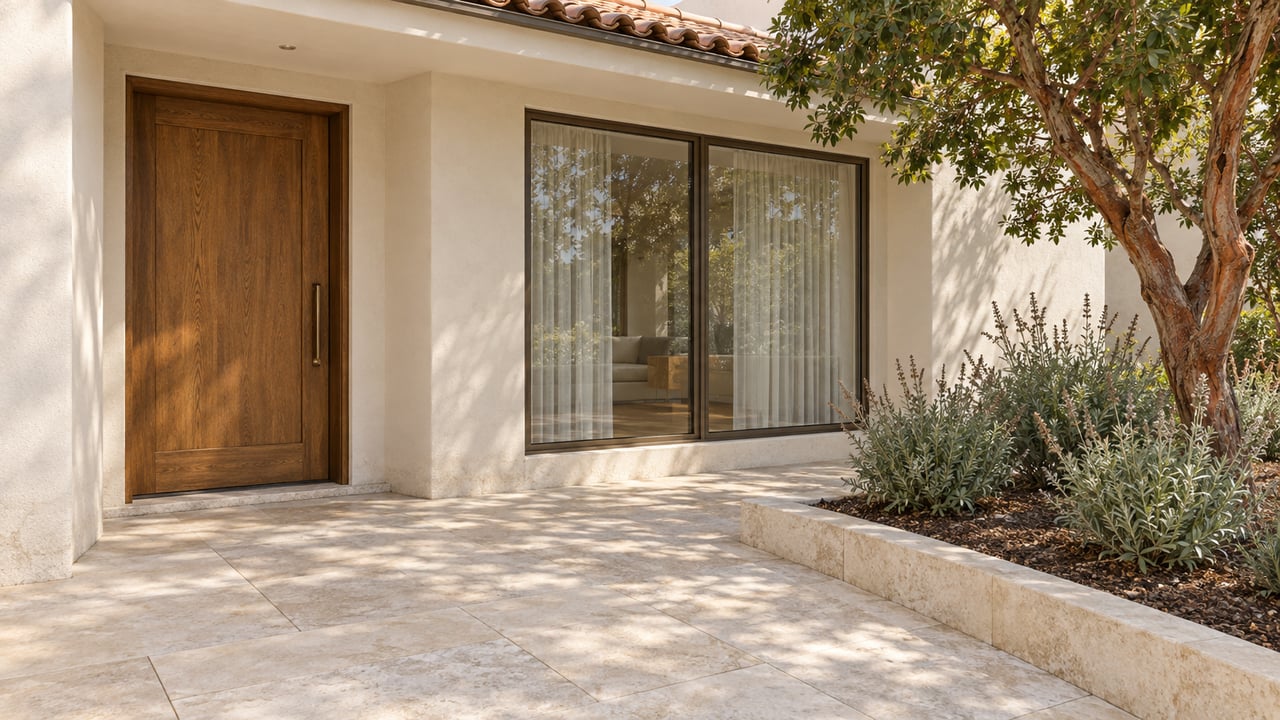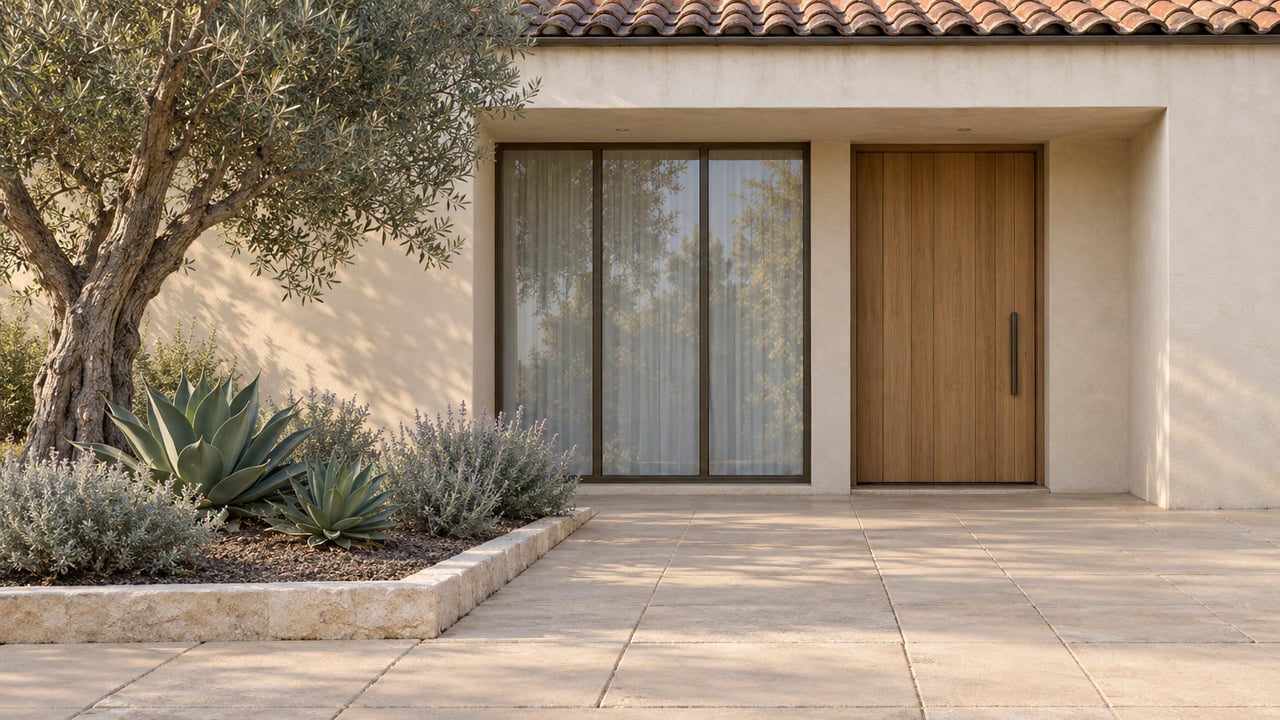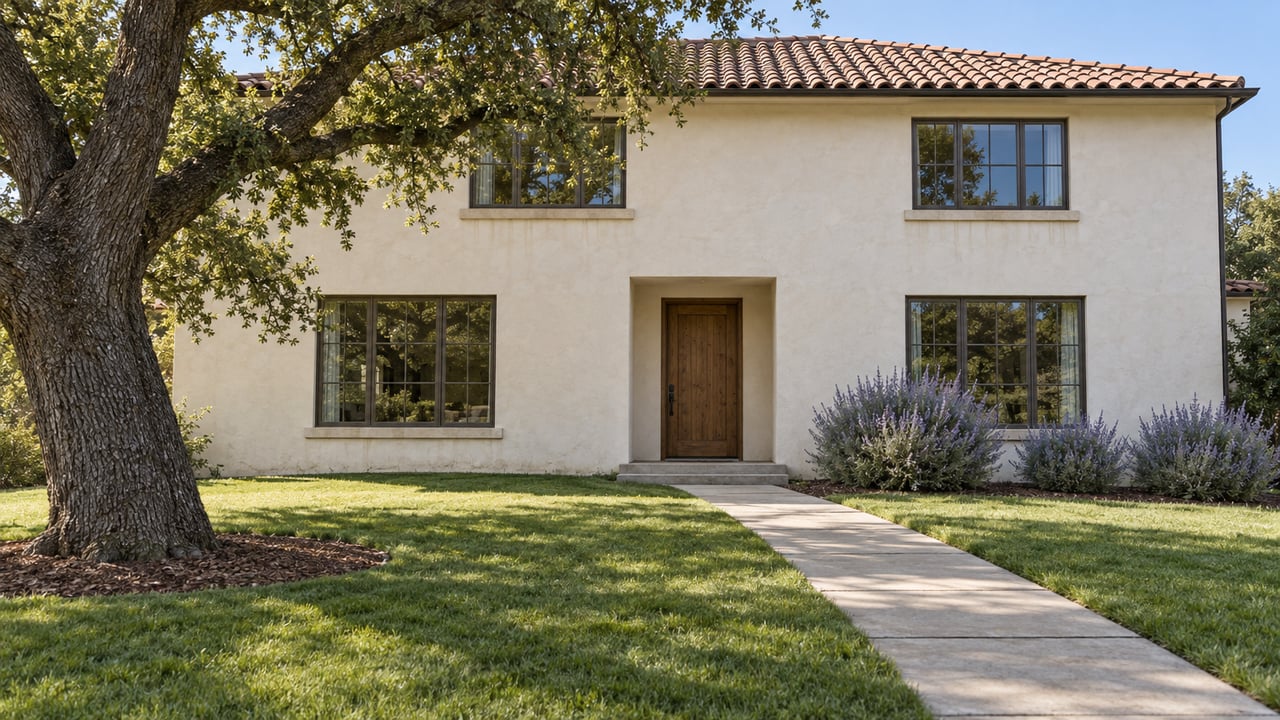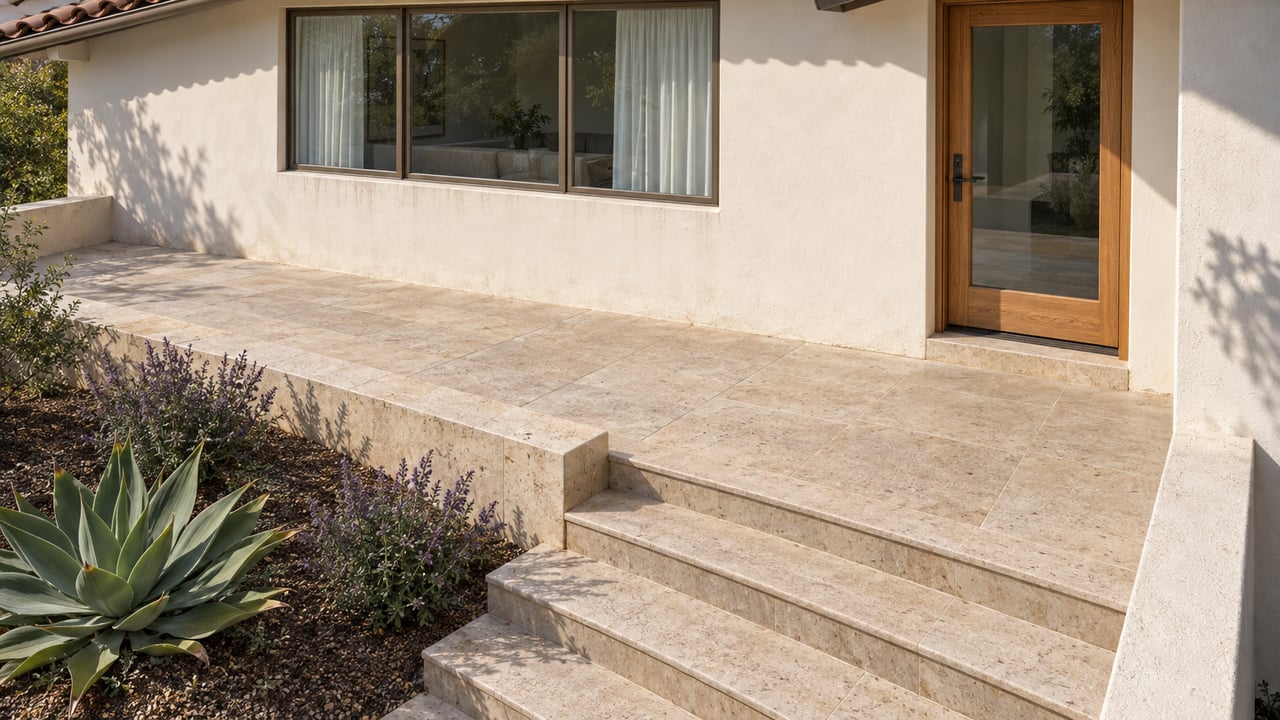
A Palos Verdes Estates seller called last spring, three weeks into escrow, because the buyer's agent had asked for something the seller had never heard of: an Art Jury compliance certificate. The pergola off the primary suite, added by the prior owner in 2011, had no approval on file. The buyer wanted proof of retroactive sign-off or a credit large enough to remove it. The listing sat, days on market kept counting, and the price the view had earned started to drift.
That story is not unusual. In this market, the file matters more than the finish work.
The Friction That Sits Behind the Front Door
Most PVE sellers prepare the same way they would in any other Peninsula city. Paint, stage, landscape, list. What catches them is a review layer that has no equivalent in Rolling Hills Estates or Rancho Palos Verdes outside Miraleste. The Art Jury governs only two areas, all of Palos Verdes Estates and the Miraleste neighborhood within Rancho Palos Verdes, and together they cover roughly 5,500 properties. Every owner of record is a member of the Palos Verdes Homes Association, and the obligation to obtain Art Jury approval transfers with the title.
That last clause is the one that ambushes sellers. Whatever the previous owner built, planted, painted, or replaced without approval becomes your problem the moment you list. Before selling a home in Palos Verdes Estates, sellers must apply for a compliance inspection from the Art Jury, which verifies that any improvements or changes comply with the city's architectural standards, and the certificate is often required before closing escrow.
Failing to follow Art Jury rules can result in steep fines, and one homeowner said he is facing more than $10,000 in penalties for items installed before he bought his home two years ago.
That was ABC7's reporting from March 2026, and it is exactly the risk sellers now inherit at the closing table.
What Actually Triggers Review
The scope is broader than most owners realize. If a change is visible from the street or a neighbor's property, assume it is on the list.
- New construction, additions, second stories, ADUs, detached garages, exterior materials such as roofing and siding, windows and doors, fences, walls, hedges, landscaping, and even a change to exterior paint color.
- Interior-only renovations generally fall outside its review.
- State laws limit what an HOA can restrict for solar systems and certain ADUs, though design standards often still apply.
The Art Jury is not a rubber stamp on style. Over the years it has approved Spanish Colonial, Tuscan, French, Craftsman, Ranch, and Post and Beam Modern, but there is no pre-set list, and what the Jury is really judging is whether the design is well executed and appropriate to its site. That discretion is why a hedge line or a swapped-out garage door can quietly become a compliance question in escrow.
The Two-Track Approval, in Plain Timelines
PVHA review and City review run in parallel and answer to different masters. The City's Building and Safety division enforces the 2025 California Building Codes while Planning reviews neighborhood compatibility, grading, variances, and coastal matters, and there is a separate review layer through the Palos Verdes Homes Association whose Art Jury reviews exterior aesthetic changes for new construction, remodels, and many exterior repairs.
| Project scope | Typical Art Jury cycle | Art Jury fee range |
|---|---|---|
| Paint change, minor exterior swap | 2–8 weeks from complete submittal | Lower end of scale |
| Roof, window, or hardscape package | Several review cycles possible | Mid-range |
| Second story, new home, grading | 3–9 months or more | Up to the high end |
The cycle numbers come from practitioner reporting that simple projects can take 2 to 8 weeks from a complete submittal while larger remodels, second stories, new homes, or grading work often require multiple cycles and can take 3 to 9 months or more. Fee ranges reflect a series of fees paid to the Art Jury separate from City fees, with amounts that can range from $1,000 to $15,000 depending on the size of the project, not part of construction or architectural cost, and homeowner responsibility.
Meetings run on a fixed cadence. The Art Jury meets Tuesdays to review plans submitted for minor projects, with the last window to submit typically Monday at 1:00 pm. If you plan to list in September, the calendar for retroactive submittals starts working against you in July.
The Retroactive Approval Problem
Here is where sellers lose the most money and time. Something on the property was built or altered by a previous owner without going through the Jury. It might be a stone landing, a hedge that grew into a wall, a re-stuccoed color change, a re-roof in a non-approved material, a swapped-out front door. The listing photos look beautiful. The compliance inspection surfaces the issue anyway.
At that point sellers may need to either apply for retroactive approval from the Art Jury for the modifications or restore the property to its original condition if the unapproved changes do not meet current standards. Both paths cost money. Restoration also costs staging and marketing momentum, because contractors and stagers cannot work the same week.
The archive matters here. The Art Jury keeps detailed records on every house and structure in the Homes Associations, has all the original blueprints and construction drawings, better records than most municipalities in Southern California, and also has photographs of the property from every angle in its archives. That is the paperwork your buyer's agent will ask about, and it is the paperwork you want to pull before the sign goes in the yard, not after.
Reading the Paper Trail Through the 2026 Market
None of this would price into a deal if PVE were still a bidding-war market. In February 2020 it was. In February 2026 it is not. The median sale price was $2,435,000 up 0.08% year-over-year, homes were sitting on the market for 99 days, there was a 7.4-month supply of inventory, and only 5 Palos Verdes Estates houses sold in February 2026. The sale-to-list price ratio was 97.69%, only 0% of homes sold over asking (down from 20% last year), and buyers control the market so sellers need to price competitively.
Translate that into escrow behavior. Buyers who are choosing among 37 homes rather than fighting for one have time. They ask more questions. They ask for the Art Jury file. When a compliance issue surfaces mid-escrow, a buyer with alternatives negotiates from that position and the seller carries the delay. In a market with under 45 days on market, the same buyer often waives the friction. At 99 days, they price it in.
Coastal-zone parcels compound the risk. If the property is in the coastal zone, another layer of process applies, the City requires a Coastal Development Permit or Waiver for all projects within the coastal zone, and written soils and geology approval is required before a coastal application is scheduled for Planning Commission review. A retroactive fix on a bluff lot is a longer conversation than a retroactive fix on an inland lot.
A Pre-Listing Sequence That Protects Price
The sellers who close cleanly in this market do the paperwork before they touch a paint chip.
- Request your file from PVHA at 320 Palos Verdes Drive West. Compare it against what is actually on the property today.
- Walk the exterior with someone who knows what triggers review. Paint, roof material, hardscape, fencing, hedges, window frames, gutters, and lighting are the usual finds.
- If something is off-file, submit for retroactive approval on the next available Tuesday cycle. Simple items resolve in weeks; expect longer for anything structural or coastal.
- Fold Art Jury fees into your net-proceeds sheet before you price the listing. A $1,000 to $15,000 line item is not a rounding error at today's sale-to-list ratio.
- Assemble the compliance certificate, approvals, and City permits into a single disclosure packet. The buyer's agent will ask; hand it over on day one.
- Only then engage stager, photographer, and marketing.
That sequence trades three to nine weeks of prep for a cleaner escrow. In a market where the median listing sits for 99 days, three weeks of front-loaded work is cheap insurance.
FAQ
Does the Art Jury still have this authority in 2026? Yes. According to the Palos Verdes Homes Association, the cities themselves have neither the right nor the power to regulate architectural style, roofing, or minimum building cost, and that authority sits with the Homes Association. The Art Jury has been involved in several lawsuits, and courts have generally ruled that homeowners must comply with its requirements.
Is this a new institution? No. The Art Jury predates the City of Palos Verdes Estates, which was not incorporated until 1939, and from the beginning the founding architects including Myron Hunt, who designed the Malaga Cove Library, used it to shape the Spanish, Mediterranean, and California-style character the Peninsula is still known for. Current membership is public: the Art Jury, comprised of six members established in 1923, is currently presided over by Doug Leach.
What if the unapproved work was there when I bought the home? It transfers with title. The seller in escrow today is the one who fixes it or credits for it. That is why the file walk-through belongs at the top of the pre-listing sequence, not at the end.
Can I sell without a compliance certificate? Sometimes. Buyers and their lenders increasingly ask for one, and in a buyer-leaning market a missing certificate is a lever the other side will use.
If you are thinking through a listing on the Peninsula and want the paper trail handled before the sign goes up, Jane Angel has spent two decades walking PVE sellers through exactly this sequence. Book an appointment for a confidential pre-listing review and a net-proceeds conversation grounded in the current market.