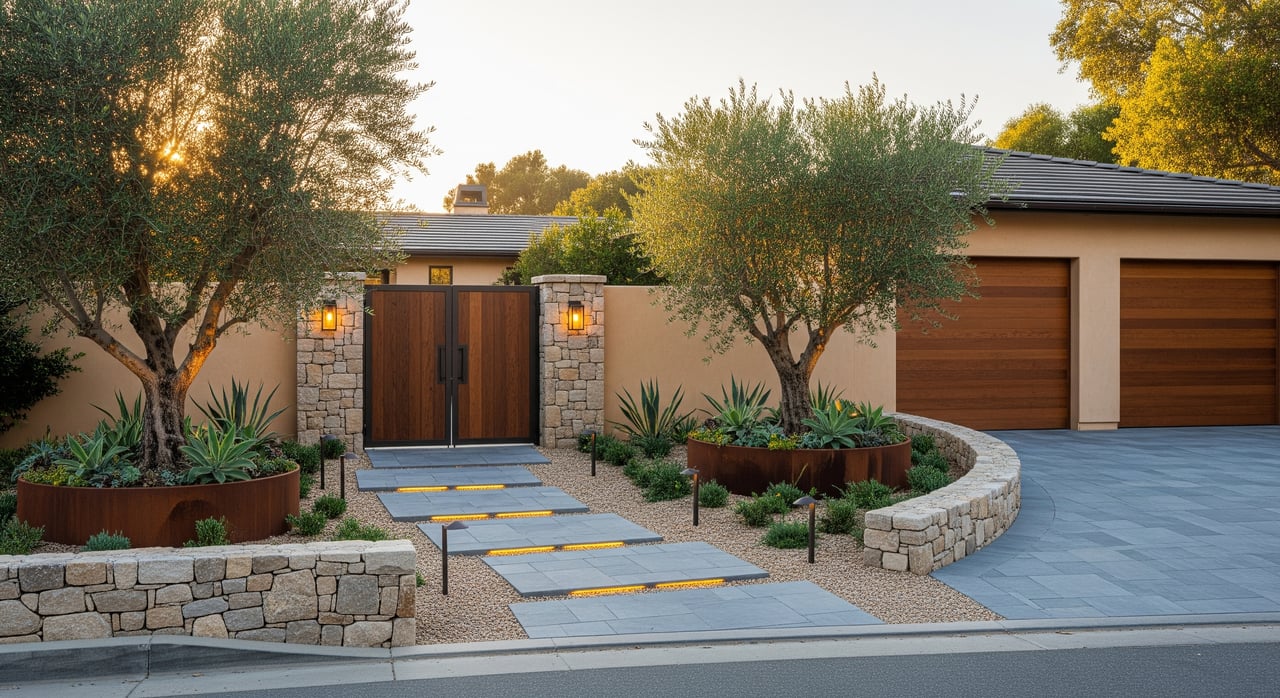
Want your Rolling Hills Estates home to stand out the moment buyers pull up? You face unique coastal factors like wind, salt, and slopes, plus HOA and city rules that can slow a good plan. The right upgrades can boost first impressions, reduce water use, and signal quality before anyone steps inside. This guide breaks down smart, local-ready ideas, costs, and a simple plan to move forward with confidence. Let’s dive in.
What curb appeal means locally
Rolling Hills Estates sits in a Mediterranean coastal climate with mild, dry summers and cooler, wetter winters. Coastal breezes, salt spray, and occasional strong winds shape what thrives near the street. Many lots include slopes where drainage and erosion matter as much as aesthetics. Homes often lean Mediterranean, California ranch, or modern, so curb upgrades that complement architecture and preserve views perform best.
Plan first: rules and safety
Before you order materials or plants, confirm what is allowed.
- City and permits: Check with the City of Rolling Hills Estates Planning and Building for fences, walls, driveways, grading, and tree removal.
- HOA/CC&Rs: Many neighborhoods require design review. Confirm approvals for visible changes like landscape, colors, fencing, and gates.
- Water rules: California’s Model Water Efficient Landscape Ordinance can apply to new or rehabilitated landscapes. Local water agencies may add drought limits, so verify current rules.
- Fire safety: Follow defensible-space guidance from Cal Fire and local fire authorities. Plant spacing, mulch choices, and what you place near structures all matter.
Planting that thrives here
A resilient coastal palette saves water, handles wind, and still looks tailored.
Native and drought tolerant picks
Choose plants adapted to coastal Palos Verdes conditions. Consider California natives like ceanothus, manzanita, salvia, toyon, and smaller native shrubs or coast live oak where space allows. Add texture with deer grass, California fescues, and other native bunchgrasses. For sculptural accents, use succulents such as aeoniums, Dudleya, and agaves in protected microsites. On windward exposures, salt-tolerant choices like rosemary and select ornamentals can do well.
Layering and hydrozones
Group plants by water needs for efficient irrigation. Create layers with groundcovers, medium shrubs, and small trees to add depth and wind resilience. Keep flammable or high-oil plants well away from structures, and maintain clearance below roofs, vents, and eaves to support defensible space.
Smaller lawn, smarter groundcovers
You can keep a small turf area or swap to native meadow mixes, ornamental grasses, or low-growing sages and manzanita groundcovers. Synthetic turf can cut water use but may run hot and needs proper drainage. Always confirm HOA rules and local ordinances before choosing artificial turf.
Hardscape and entry upgrades
Materials need to stand up to salt and moisture while elevating the approach.
- Use natural stone, concrete pavers, or concrete sealed for salt resistance. Avoid untreated steel; pick stainless or powder-coated metal for railings and gates.
- Consider permeable pavers to reduce runoff and help manage drainage and slope stability.
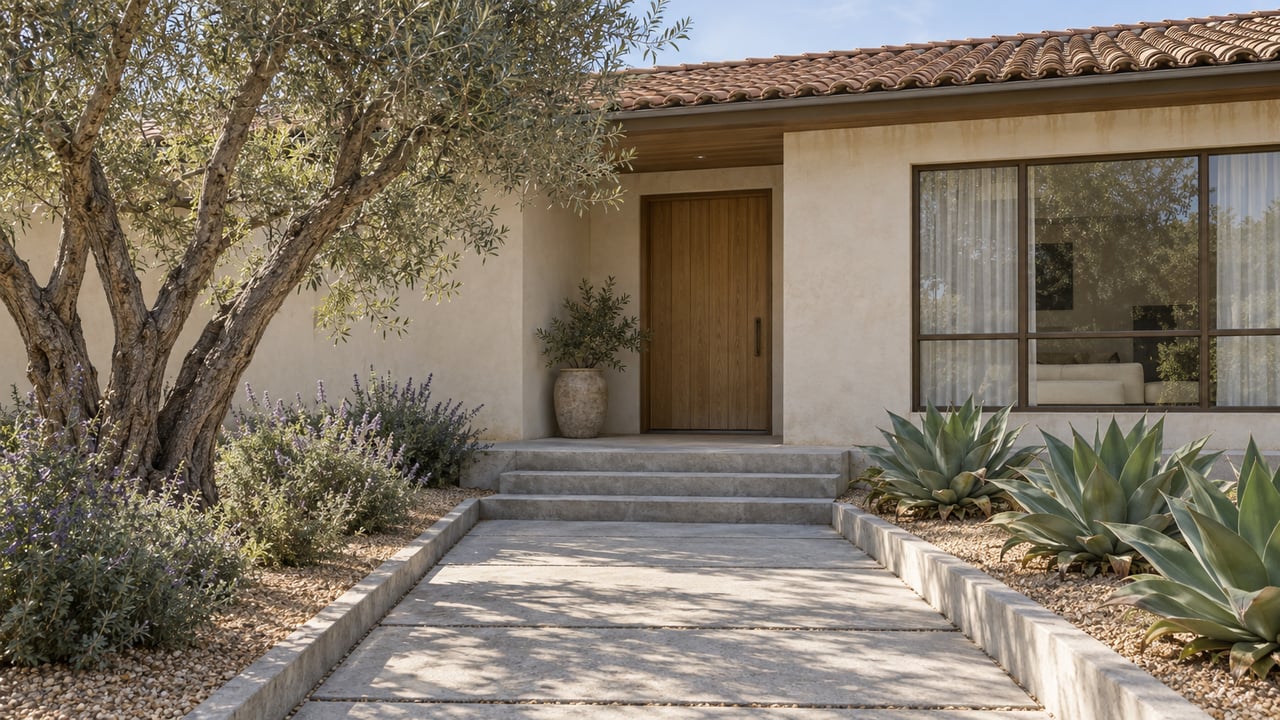
- Refresh the front walk with textured, slip-resistant pavers, gentle steps and landings, and low plantings that frame the path.
- For driveways, decorative concrete, permeable pavers, or exposed aggregate can add polish. On steeper drives, plan for drainage and erosion control.
Fences, gates, and walls
In coastal zones, durability and scale matter.
- Masonry, stucco-clad walls, and powder-coated metal stand up well to coastal exposure. Wood is beautiful but higher maintenance.
- Confirm city height limits and permit thresholds. Retaining walls often require engineering and permits.
- Keep design consistent with the home. Low walls or hedges can frame the front without blocking views.
Lighting and hardware
Evening curb appeal starts with well-placed, durable fixtures.
- Choose marine-grade or corrosion-resistant finishes and LED bulbs for efficiency.
- Use low-voltage pathway lights and subtle uplights on architectural or landscape focal points.
- Add timers or photocell and smart controls for energy savings and security.
- Upgrade house numbers and the mailbox with clean, modern designs in stainless or powder-coated metal for a quick win.
Water-wise irrigation
Smart systems cut waste and keep plants healthy.
- Install drip irrigation with a weather-based smart controller and zone by water needs.
- Check your local water provider for turf-removal, smart-controller, and high-efficiency irrigation rebates.
- Consider rain barrels or a cistern for irrigation supply. Larger systems may need permits.
- If you add a water feature, choose a small recirculating design and plan for maintenance, especially during drought guidance.
Hillside and erosion fixes
Slopes are common and need careful solutions.
- Use deep-rooted native plants and native grasses to bind soil.
- Terracing and engineered retaining walls can manage grade and create usable planting areas.
- Major grading and structural walls typically require permits and licensed professionals. Consult a civil or geotechnical engineer for hillside work.
Budgets and timelines
Costs vary by site, materials, and labor. These ranges help you frame a plan.
- Small refresh: new plantings, mulch, repainting the entry, updated numbers and fixtures, some lighting. Approx. $2,000 to $10,000.
- Medium overhaul: drought-tolerant planting, irrigation retrofit, new walkway, lighting. Approx. $10,000 to $40,000.
- Major remodel: driveway replacement, retaining walls, terracing, large-scale hardscape, professional design and installation. $40,000 and up, with engineering adding cost on hillsides.
- Irrigation retrofit or smart controller: about $500 to $3,000 depending on zones and complexity.
Most small projects wrap in a few weekends to a month. Larger hardscape and engineered work can run several months from design through permits and installation.
Maintenance that buyers notice
Low-water does not mean no maintenance. Plan the following for long-term polish.
- Seasonal pruning and weed control keep a tailored look.
- Re-seal concrete or pavers as needed and rinse metals to reduce salt buildup.
- Tune irrigation seasonally and repair drip lines or emitters as needed.
- Inspect for corrosion on fixtures and gate hardware, especially on windward exposures.
Design styles that sell
Choose a theme that supports your home’s architecture and the coastal setting.
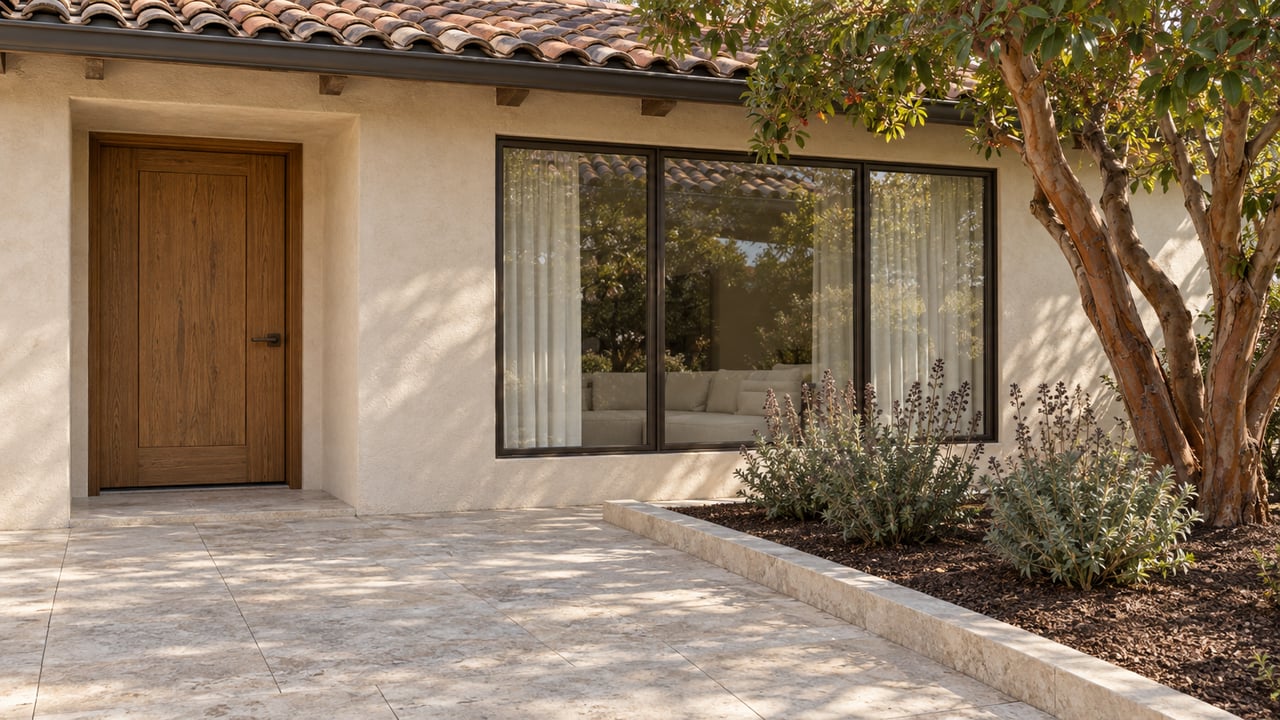
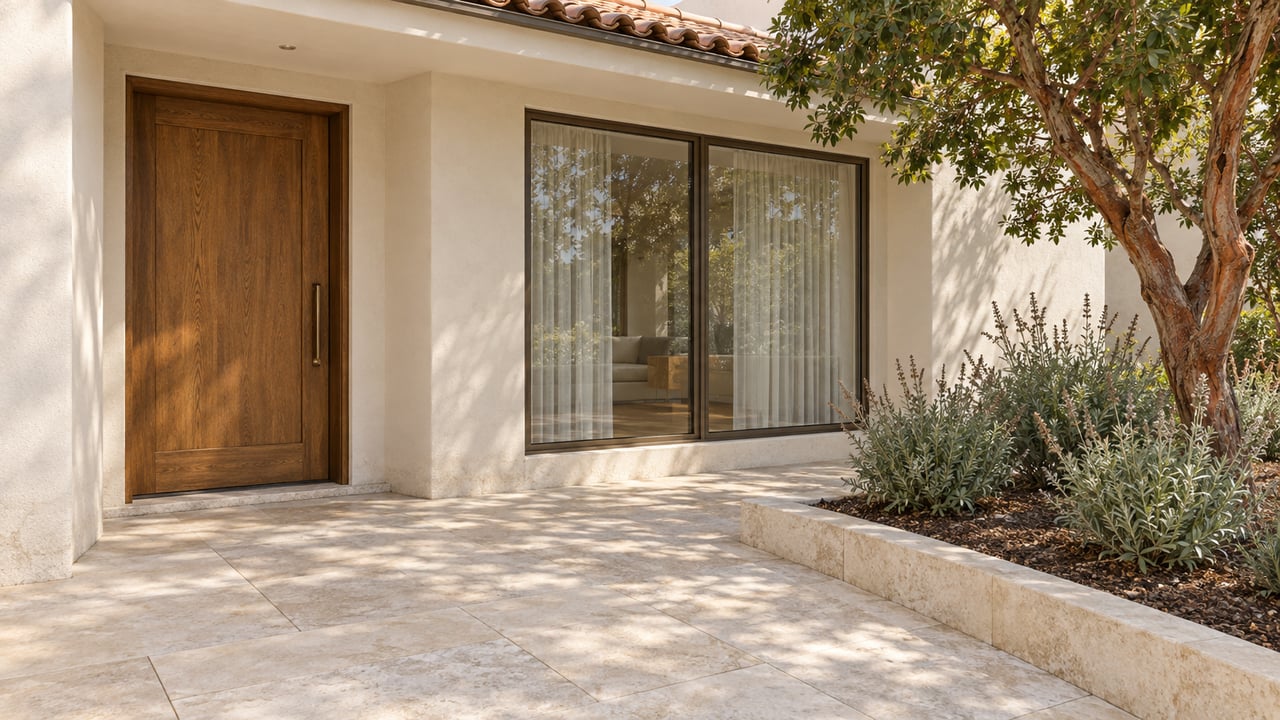
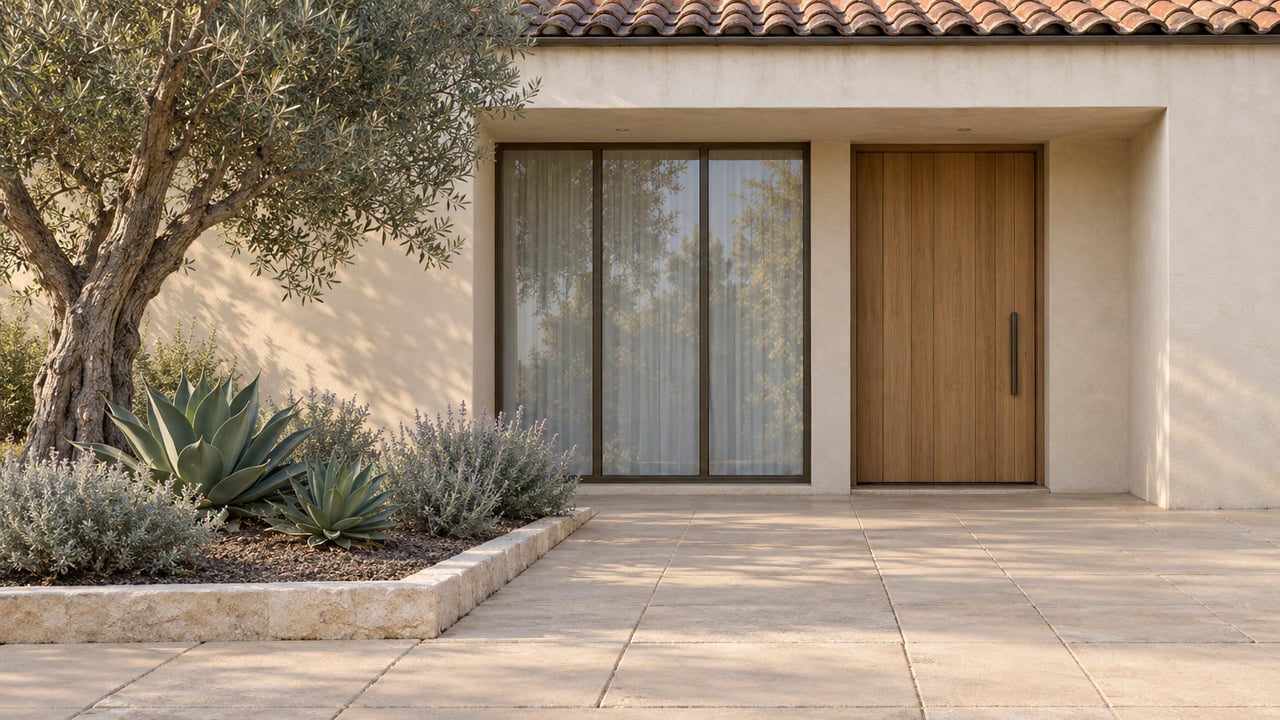
- Coastal-Mediterranean: textured stucco, drought-tolerant Mediterranean plants, gravel or mulch, and accents like olives or rosemary.
- Contemporary coastal: clean lines, sculptural succulents, composite or stone elements, and minimalist lighting.
- Native and natural: California native shrubs and grasses, boulders, and informal paths that echo local coastal bluff landscapes.
Quick curb appeal checklist
- Confirm city, HOA, and MWELO requirements before you begin.
- Map sun, wind, and slope; note drainage and views to preserve.
- Pick a design style that fits your home and street.
- Build a plant list with native, drought and salt-tolerant choices.
- Group plants by water needs and set a defensible-space buffer near structures.
- Choose permeable, salt-resistant hardscape materials.
- Upgrade the front walk, lighting, house numbers, and mailbox.
- Install drip irrigation with a smart controller and separate zones.
- Plan slope solutions early if your lot is hillside.
- Set a maintenance calendar for pruning, sealing, and irrigation tuning.
Whether you are preparing to sell or want long-term enjoyment, a thoughtful coastal plan can deliver a cleaner, more valuable first impression. If you would like a pragmatic, ROI-focused plan and contractor coordination, connect with Jane Angel for guidance tailored to your Rolling Hills Estates property.
FAQs
Do Rolling Hills Estates curb upgrades need permits?
- Many exterior projects like front walls, fences above certain heights, driveways, and retaining walls can need permits, so check city planning and building before you start.
What plants handle wind and salt near Palos Verdes?
- Consider ceanothus, manzanita, salvia, toyon, deer grass, California fescues, aeoniums, Dudleya, and salt-tolerant picks like rosemary on exposed sites.
How do I balance curb appeal with wildfire safety here?
- Follow defensible-space guidance by spacing and pruning plants, limiting flammable materials near structures, and choosing low-flammability plants close to the home.
Are smart irrigation controllers worth it in this climate?
- Yes, weather-based controllers and drip systems reduce water use and support MWELO compliance, and local providers often offer rebates.
Will replacing my lawn hurt resale in Palos Verdes?
- A well-designed, drought-tolerant landscape generally helps curb appeal, as long as it looks intentional, is well maintained, and suits the home’s style.
What does a small curb refresh typically cost?
- A focused refresh with new plants, mulch, lighting, and entry accents often runs about $2,000 to $10,000 depending on scope and materials.