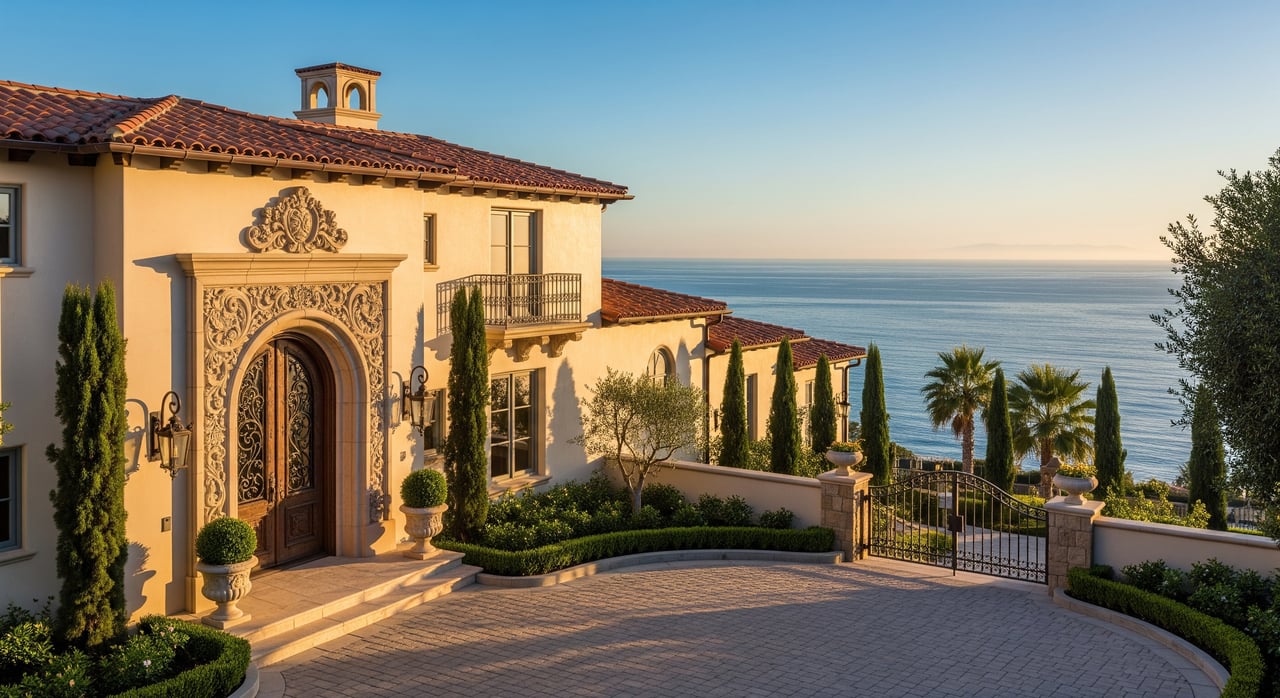
Red tile roofs glowing at sunset. Glassy terraces pulled toward ocean views. If you have spent time in Palos Verdes Estates, you know the architecture is part of the magic. Whether you are buying your first Peninsula home or planning a thoughtful remodel, understanding signature styles and what shapes them will help you make confident decisions. In this guide, you will learn the key home styles in PVE, how land and climate influence design, and what approvals and inspections to expect. Let’s dive in.
The planning roots behind PVE’s look
Palos Verdes Estates began as a planned coastal community. Early guidelines favored low density, scenic streets, native landscaping, and protected view corridors. That legacy still shapes how lots are arranged and how homes relate to open space.
During the early 20th century, Mediterranean and Spanish Colonial Revival design became popular across Southern California. Those styles set the tone for early homes and community landmarks in PVE. After World War II, Ranch and Midcentury Modern homes arrived, bringing open plans and larger glass areas to capture coastal light and views.
Today, you see a mix. Some streets preserve historic charm, while others feature remodeled midcentury gems or new custom estates that prioritize views, privacy, and modern amenities. Design review remains a constant theme, which helps maintain neighborhood character.
Signature home styles you will see
Mediterranean and Spanish Colonial Revival
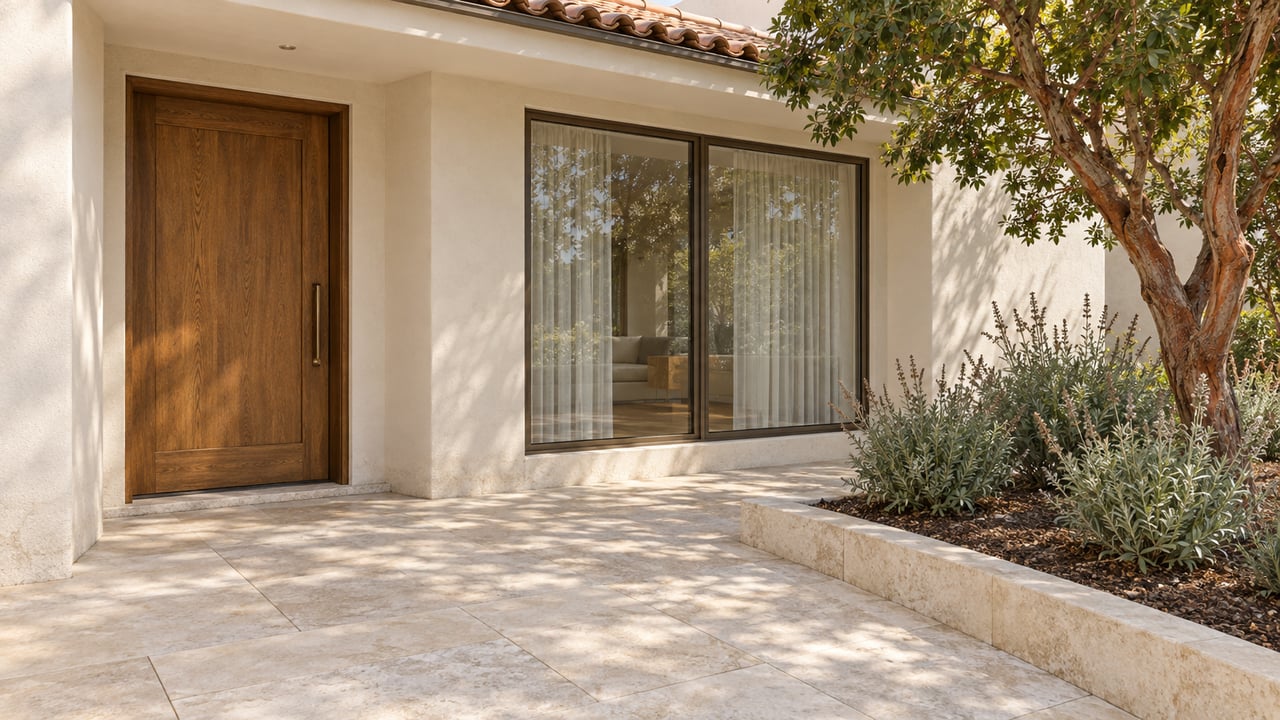
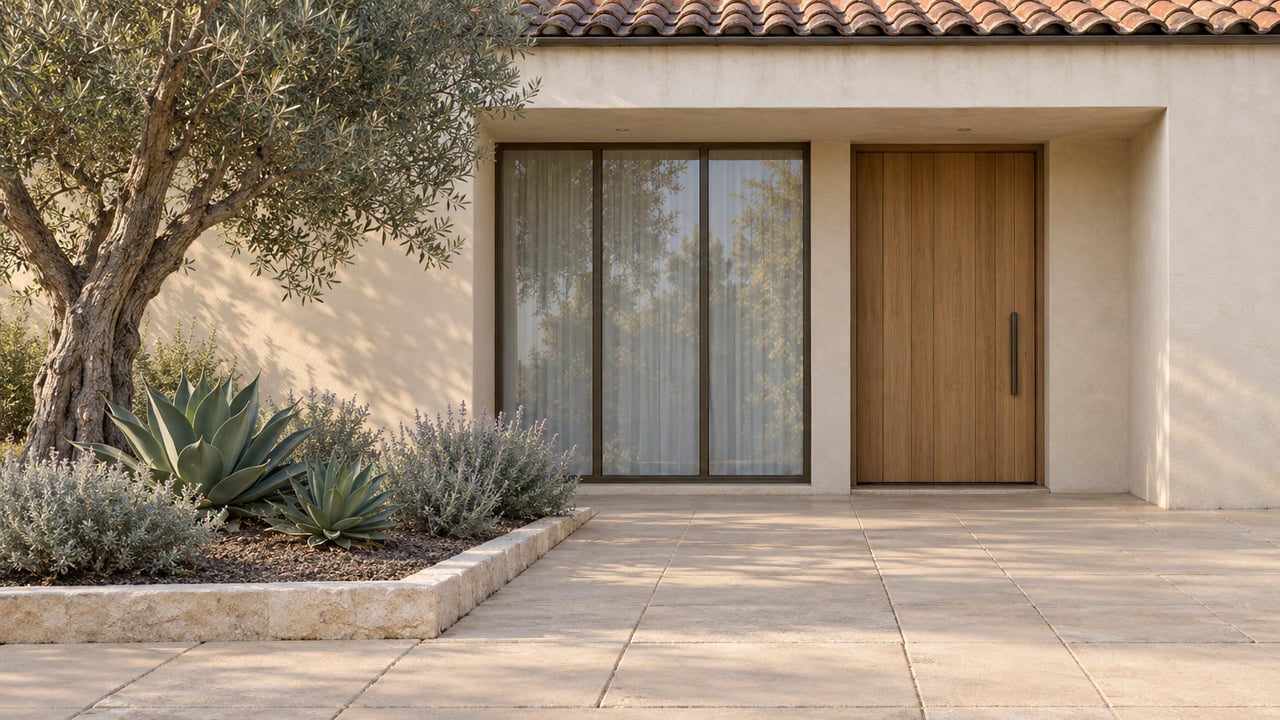
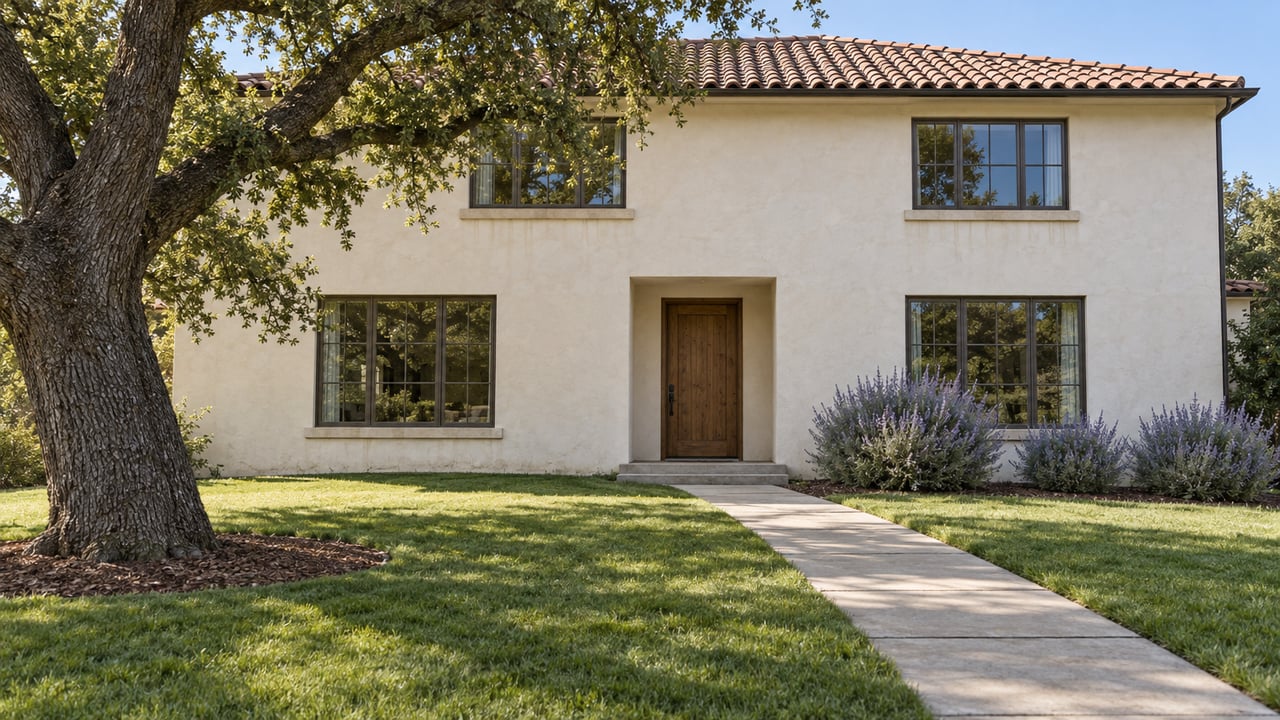
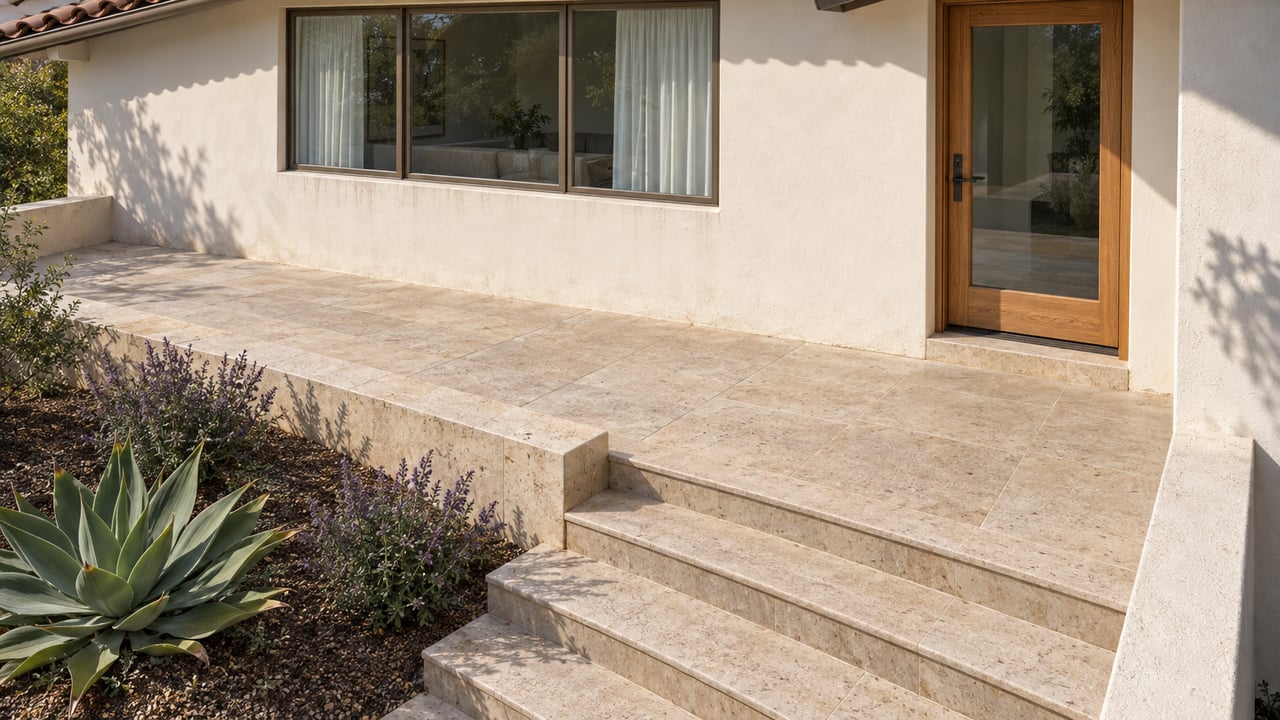
You will recognize these homes by light stucco walls, low red clay tile roofs, and arched openings. Many include courtyards, loggias, wrought-iron details, and decorative tile. The look fits the temperate coastal climate and supports indoor and outdoor living.
You tend to find concentrations of these homes in older planned neighborhoods and near early community plazas. If you value traditional detailing, terraced landscapes, and sheltered patios, this style offers a classic PVE experience.
California Ranch
Ranch homes have long, low profiles, wide eaves, and easy access to patios and yards. Many are single level with open living areas and attached garages. Sliding doors bring outdoor space into daily life.
These homes emerged during postwar growth, when lot sizes supported wider footprints. If you want single-level living, a Ranch home can be a practical choice, especially if you plan to remodel for modern systems and finishes.
Midcentury Modern
Midcentury Modern homes often feature flat or low-pitched roofs, clerestory windows, and expansive glass walls. The design emphasizes horizontal lines and seamless indoor and outdoor flow. Many are sited to frame ocean and harbor views.
You are likely to see these homes on slopes or ridgelines that offer panoramic vistas. If you love natural light and simple, integrated forms, midcentury architecture delivers that clean, view-forward feel.
Contemporary Coastal and Custom Estates
Contemporary homes vary widely. Expect large glazing, mixed materials like glass, steel, concrete, and wood, and strong geometric lines. Many adapt to steep lots with multi-level plans, generous terraces, and high-performance systems.
You will often find these on bluff-top or ridge lots where owners build for views and privacy. If you want modern comforts, energy-efficient systems, and flexible spaces for work and entertaining, a contemporary custom home aligns well with today’s needs.
Cottages, Bungalows, and Eclectic Historic Homes
These homes feel intimate, with gabled roofs, porches, and period details in wood or stucco. Many sit on more level lots closer to original community centers and early subdivisions.
If you appreciate character, scale, and a traditional streetscape, this category can be very appealing. Thoughtful updates can preserve historic charm while improving function and comfort.
How land and climate shape design
Topography and lot types
PVE’s hillside and bluff setting guides how homes sit on the land. Bluff-top and ridgeline lots typically face west or south to capture ocean or harbor views. Multi-level layouts and cantilevered terraces are common on these valuable view sites.
Steep slopes and canyons require terracing, retaining walls, and stepped foundations. Split-level plans are a practical way to work with grade changes. On flatter lots, you will find smaller historic homes and Ranch plans with more traditional yards and street entries.
Orientation, views, and privacy
Homes are usually oriented to frame views of the Pacific, Catalina Island, and the harbor. Main living spaces often face the best outlooks, with outdoor rooms placed to extend daily living.
West-facing terraces enjoy sea breezes but can be windy. Many homes use wind screens, strategic planting, or solid parapets to create comfortable outdoor zones. The goal is to balance view corridors with privacy and protection from the elements.
Coastal microclimate and materials
Mild temperatures and a regular marine layer help keep interiors comfortable year-round. Salt air, however, can accelerate corrosion on metal components and weather exterior finishes faster.
Quality detailing matters. Durable coatings, corrosion-resistant metals, and well-maintained clay tile roofs are common choices. When you plan exterior updates, factor in the coastal environment and long-term maintenance schedules for decks, flashings, and railings.
Geotechnical realities on hillsides
Parts of the Palos Verdes Peninsula have known slope stability issues. Hillside properties often need geotechnical studies and engineered foundations with drainage solutions. Deep foundations, retaining systems, and specialized structural designs can be necessary.
These measures add cost and affect how large a home can be and where it can sit on a lot. Early due diligence helps you budget accurately and avoid surprises.
What to know before you remodel or build
Local design review and preservation
PVE uses planning and architectural review to guide visible changes, significant remodels, and new construction. Reviews often address style compatibility, hillside massing, and the preservation of view corridors. Some areas or landmarks may have preservation policies or covenants that influence design choices.
If you plan exterior changes, expect to engage with design review early. This can improve outcomes and reduce back-and-forth during permitting.
Coastal zone considerations
Some parts of PVE fall within the coastal zone. Projects near bluffs or shorelines may require findings that align with the California Coastal Act. Your team can help you determine whether coastal oversight applies and how to sequence approvals.
When in doubt, ask about coastal jurisdiction early in planning. It can affect design scope, timeline, and documentation.
Permits, geotechnical reports, and costs
For hillside or bluff properties, lenders and the city often require recent geotechnical reports and soils testing before permits are issued. Engineered drawings are standard for structural, foundation, and drainage work.
Expect higher construction and maintenance costs on steep lots, including specialized foundations and retaining walls. Insurance considerations can also differ in areas with slope concerns. Proper budgeting and sequencing are key to a smooth project.
Access, parking, and drainage
Driveway slope and garage placement often determine how a house meets the street. Narrow or steep lots can limit curb cuts and on-site parking. On terraced sites, engineered drainage is essential, and stormwater management can be part of the permit process.
Before you submit plans, map out access and drainage with your architect and engineer. Small choices here can simplify permitting and improve daily use.
Buyer checklist for style and condition
Use this quick list to focus your due diligence and inspection priorities:
- Recent geotechnical report for hillside or bluff properties.
- Records of any landslide monitoring or slope repair work.
- Building permit history and approved plans for additions, decks, and retaining walls.
- Any local design review restrictions, historic landmark status, or neighborhood guidelines.
- Condition of roofs, exterior finishes, flashings, and retaining walls with attention to salt-air exposure.
- Survey or boundary map, including easements and setback encroachments.
- Evidence of proper drainage management on sloped sites.
During inspections, pay close attention to structure and foundations, retaining walls, deck framing and railings, roof tiles and underlayment, and metal elements that may show corrosion. A thorough review will help you weigh renovation needs against your budget and timeline.
Choosing the right style for you
Start with lifestyle and site. If you want single-level living with easy yard access, a California Ranch is a practical base for a modern refresh. If you want sweeping views and a bright, open feel, Midcentury Modern or Contemporary homes often deliver strong orientation and glass.
If you prefer traditional character and sheltered outdoor rooms, Mediterranean or Spanish Colonial Revival homes provide enduring appeal. On more level lots near original neighborhoods, cottages and bungalows offer intimate scale with period details. With the right planning, you can preserve character while updating systems and finishes.
Remember that the land itself is a design partner. Your preferred style should work with the lot’s slope, orientation, and wind exposure. The best PVE homes feel integrated with their site, not forced onto it.
Work with a local advocate
Selecting a home in Palos Verdes Estates is about more than style. It is about understanding topography, microclimate, and the approvals that guide thoughtful design. When you have a local advisor who knows the neighborhoods and what reviewers look for, you can move forward with clarity and confidence.
If you are weighing options or planning a remodel, connect with a trusted local specialist who can guide due diligence, coordinate vendors, and position your property for the right buyers. To talk through your plans or schedule a private tour, reach out to Jane Angel.
FAQs
What architectural style is most common in Palos Verdes Estates?
- PVE features a balanced mix that includes Mediterranean and Spanish Colonial Revival in older cores, plus many Ranch, Midcentury Modern, and contemporary custom homes.
Are historic homes in Palos Verdes Estates protected by local rules?
- Some areas and properties are subject to preservation policies or design review, so always confirm status and any restrictions with the city before planning changes.
How do hillsides in Palos Verdes Estates affect building costs and design?
- Hillside conditions can require geotechnical reports, specialized foundations, retaining walls, and drainage systems that add cost and influence home size and placement.
Can I build a modern glass home on a bluff lot in Palos Verdes Estates?
- Often yes in concept, but you should expect detailed design review, geotechnical engineering, potential coastal oversight, and corrosion-resistant choices for coastal exposure.
What should buyers inspect closely in Palos Verdes Estates coastal homes?
- Structure and foundations, retaining walls, drainage, roof tiles and flashing, and any signs of slope movement or salt-air corrosion on metal components are priorities.
Do I need coastal permits for a project in Palos Verdes Estates?
- Projects within the coastal zone can require findings consistent with coastal regulations, so verify jurisdiction early to set your timeline and documentation needs.