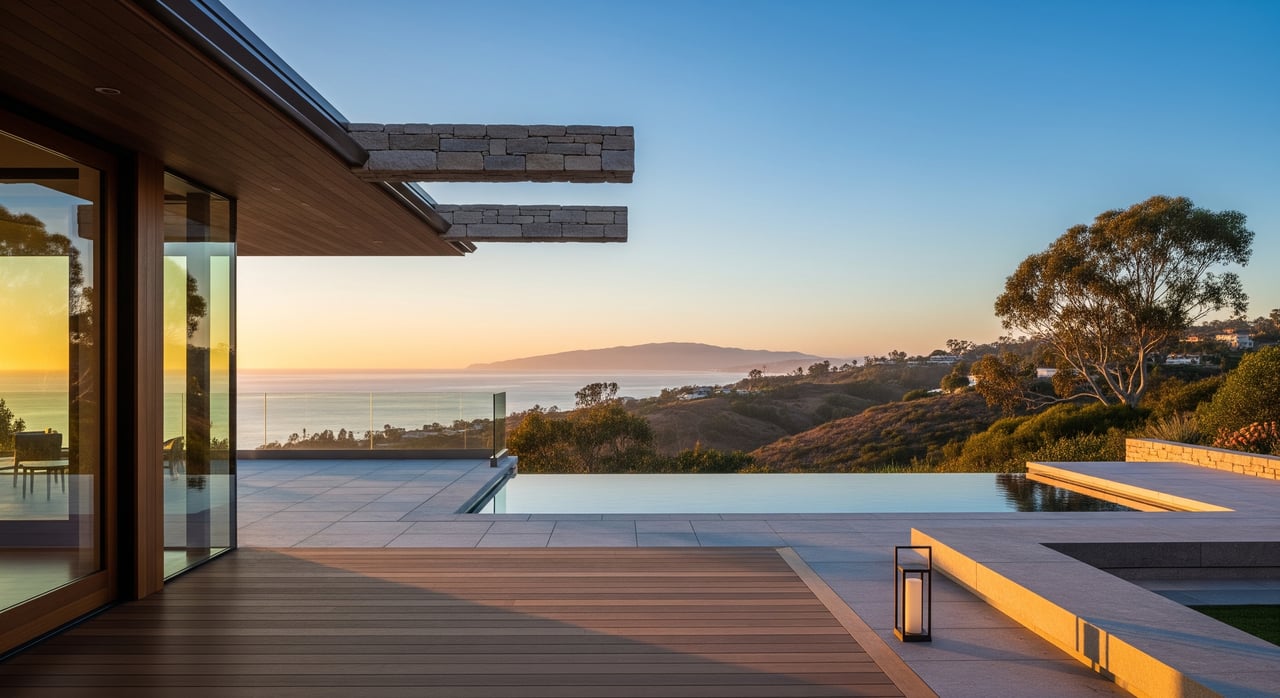
What is an ocean view really worth in Rancho Palos Verdes? If you are selling or buying on the Peninsula, that question can make or break your strategy. You know the emotional pull of a sweeping coastline, but lenders and appraisers look for proof that the market pays for it. In this guide, you will learn how appraisers think about views, what evidence carries weight, and how to prepare so your view is described and supported correctly. Let’s dive in.
Why views matter in appraisals
Appraisals for lending focus on what a typical buyer would pay under normal market conditions. For single-family homes, the Sales Comparison Approach is the primary method. The appraiser compares your home to similar recent sales and adjusts for differences. A view is treated as a market attribute, not a separate asset.
The key is market evidence. An appraiser must show that buyers in the area actually paid more (or less) for similar homes with a comparable view. Without that support, an adjustment for the view will be limited. That is why the quality and permanence of the view, along with strong comparable sales, matter.
How appraisers measure a view
Sales comparison with matched comps
Appraisers try to select comparable sales that share your home’s view type and orientation. If the comps are similar in size, condition, and location, the price differences help isolate the view’s contribution. MLS remarks, listing photos, and appraiser photos are used to document view quality from primary rooms.
Paired-sale analysis
If data allows, the appraiser may identify two very similar properties that sold around the same time where the biggest difference is the view. The price gap between those sales suggests a market-supported premium. This works best within the same neighborhood and timeframe.
Market interviews and surveys
Local brokers and agents often provide context about how buyers in that micro-market respond to certain view types. Appraisers can reference these interviews to corroborate what the paired sales show.
Statistical studies when data is robust
In markets with enough recent sales, an appraiser might run a regression to estimate the impact of view characteristics on price. Even then, the conclusion needs to fit the specific property and neighborhood.
Documentation appraisers rely on
- MLS remarks and photos that clearly describe the view.
- Interior and exterior photographs from primary living areas and outdoor spaces.
- Elevation, lot orientation, and distance to the water.
- Evidence of permanence, such as recorded view easements or HOA design controls.
- Notes on any obstructions, nearby development potential, or visual clutter.
What shapes the view premium
Several factors influence how much buyers are willing to pay for a view in RPV:
- Type of view. Panoramic, unobstructed coastline views tend to command more than partial or distant views. Peek or rooftop glimpses usually add less.
- Permanence and risk. A view that is legally protected or unlikely to change is worth more than one that could be blocked by future construction or tree growth.
- Orientation from primary rooms. A view enjoyed from main living areas, the kitchen, or a primary suite is more valuable than one visible only from a secondary spot.
- Elevation and distance. Higher elevations with expansive sightlines can enhance value if the view is truly wide and usable.
- Design that capitalizes on the view. Large windows, decks, and indoor-outdoor flow increase how buyers perceive the benefit of the view.
- Obstructions and clutter. Power lines, busy roads, or industrial elements can reduce the perceived quality of the view.
- Microclimate realities. Marine layer, wind, or frequent fog can affect how often the view is visible or enjoyable.
Avoid relying on a single rule-of-thumb percentage. The right adjustment depends on local sales evidence for your specific location and view type.
Rancho Palos Verdes specifics
Peninsula geography and micro-markets
Rancho Palos Verdes sits on coastal bluffs with sharp elevation changes. Small differences in lot position can create major changes in view quality. On the broader Peninsula, areas commonly referenced by buyers include Portuguese Bend, Palos Verdes Drive-area properties, upper bluff locations, and nearby neighborhoods across city lines like Lunada Bay and Malaga Cove. Each micro-area draws a slightly different buyer profile and view expectation. An appraiser will attempt to keep comps hyper-local when possible.
Planning, zoning, and protections to check
Appraisers and buyers look at local regulations to gauge view permanence. In RPV, you or your appraiser should verify:
- City of Rancho Palos Verdes Planning Department rules on height limits, setbacks, design review, and any neighborhood-specific standards.
- Whether the property is in the Coastal Zone, where California Coastal Commission and Local Coastal Program policies may influence future development.
- HOA or CC&R restrictions that limit additions or protect sightlines.
- Recorded view easements or restrictions that appear on title. These are the strongest protection for a view.
Common view-risk scenarios in RPV
- Vacant adjacent lots with buildable potential. Local slope and geotechnical constraints can limit what is feasible, but you should check permits and recent planning cases.
- Mature trees in the view corridor. Tree ordinances can affect pruning or removal, and trees on adjacent lots may continue to grow.
- Neighbor remodels or additions. Taller parapets, rooftop decks, or larger second stories can change a view. Reviewing nearby permit activity helps you assess risk.
Microclimate and seasonal context
The marine layer can soften morning views at certain times of year. Winds and exposure vary by ridge and orientation. Appraisers will consider how often the view is clear and from which rooms it is enjoyed.
Setting the right expectation with lenders
Lenders expect appraisers to support adjustments with market data. If the available comps do not show a clear premium for a view like yours, the adjustment could be smaller than you expect. This does not mean your view lacks value. It means the evidence in that moment is limited or mixed. Discuss the view early with your agent, appraiser, and lender so everyone understands how it will be described and supported.
For sellers: prepare to support your view
You can help the appraiser see and support your view the way buyers do. Use this checklist:
- Assemble strong comps. Provide sales with similar view quality and orientation, backed by MLS remarks and photos.
- Show the view clearly. Share interior and exterior photos from key rooms and outdoor spaces. If fog or sun angle matters, include time-of-day context.
- Document permanence. Provide title documents for any recorded view easement, HOA design covenants, or nearby protected open space.
- Note development context. Share any information on recent permits near your property, planned nearby projects, or the absence of buildable lots in the view corridor.
- Highlight improvements. Point out windows, decks, railings, landscaping, and sightlines that make the view usable. Include plans or measurements if available.
- Consider professional visuals. Drone images and a short walkthrough video can help the appraiser understand exactly what a buyer sees.
For buyers: do your view due diligence
Before you fall in love with a sunset shot, verify the facts:
- Confirm legal protections. Ask whether a view easement exists and if it is recorded on title.
- Check permits nearby. Search recent and pending permits on adjacent parcels, especially within the view corridor.
- Visit at different times. See the property morning and afternoon, and on a foggy day if possible.
- Ask for comps with similar views. Review how those sales were financed and whether appraisals noted the view.
- Coordinate with your lender. Discuss how the view will be described in the appraisal and what evidence will be provided.
What an appraiser will document
When views are central to value, expect the report to include:
- Comparable sales with similar view type and orientation, with photos that illustrate differences.
- A paired-sale analysis when feasible, adjusted for time and minor differences.
- Market commentary from local brokers that supports the observed premium.
- Physical facts such as elevation, bearing, and distance to the coastline, plus color photos from primary rooms.
- Notes on view permanence, including any easements, zoning limits, or HOA covenants.
Legal and insurance basics
There is no automatic right to a view under California law. Standard homeowners insurance generally does not insure against loss of a view. If you want protection, it must come from recorded documents such as a view easement or restrictive covenant, or from development controls that limit building height. Always confirm with your title company and the city whether any protections apply to your property and surrounding lots.
How to talk about numbers wisely
You will sometimes hear rules of thumb about view premiums. Treat those as broad anecdotes. In practice, the right adjustment depends on local paired sales, matched comps, and the specifics of your property. Avoid quoting a single percentage without showing the market evidence for your neighborhood and timeframe.
Work with a local advisor
Ocean views are one of the most sensitive value drivers on the Peninsula. Getting it right takes neighborhood-level context, the right comps, and clear documentation for the lender. If you are selling, you want your view showcased with professional visuals and a narrative that the appraiser can support. If you are buying, you want confidence that the view you love is likely to last and that the price reflects real market behavior.
If you would like a local, boutique approach backed by national marketing reach, connect with Jane Angel. Jane’s team can help you prepare the right evidence, coordinate visuals, and position your home or offer with confidence.
FAQs
How do appraisers value ocean views in RPV?
- Appraisers use the Sales Comparison Approach, then support any view adjustment with local comparable sales, paired-sale analysis, or market studies that show buyers paid a premium.
What kind of evidence supports a view premium?
- Strong comps with similar views, paired sales, photos from primary rooms, elevation and orientation data, and documentation of permanence like recorded view easements.
Will every lender appraisal reflect my view’s value?
- Not always. If market evidence is limited or mixed, the appraiser may make a modest or no adjustment, even if the view is appealing.
Can a view be legally protected in Rancho Palos Verdes?
- Yes, but only through recorded documents such as a view easement or restrictive covenant, or by development controls that limit building height in the area.
What risks should buyers consider when paying for a view?
- Potential loss of view due to adjacent development or tree growth, microclimate factors like fog and wind, and the risk of overpaying without strong market support.
How can a seller help an appraiser recognize the view?
- Provide matched comps, clear photos from key rooms, documentation of any protections, notes on nearby permits, and highlight design features that maximize the view.