Thinking about buying or selling in Palos Verdes Estates? This market plays by its own rules, from ocean-view premiums to hillside due diligence. You want a clear picture of what drives value and how to navigate timelines, inspections, and financing. In this guide, you’ll learn the core basics that shape pricing, the micro-markets to watch, and practical steps to move forward with confidence. Let’s dive in.
What makes PVE different
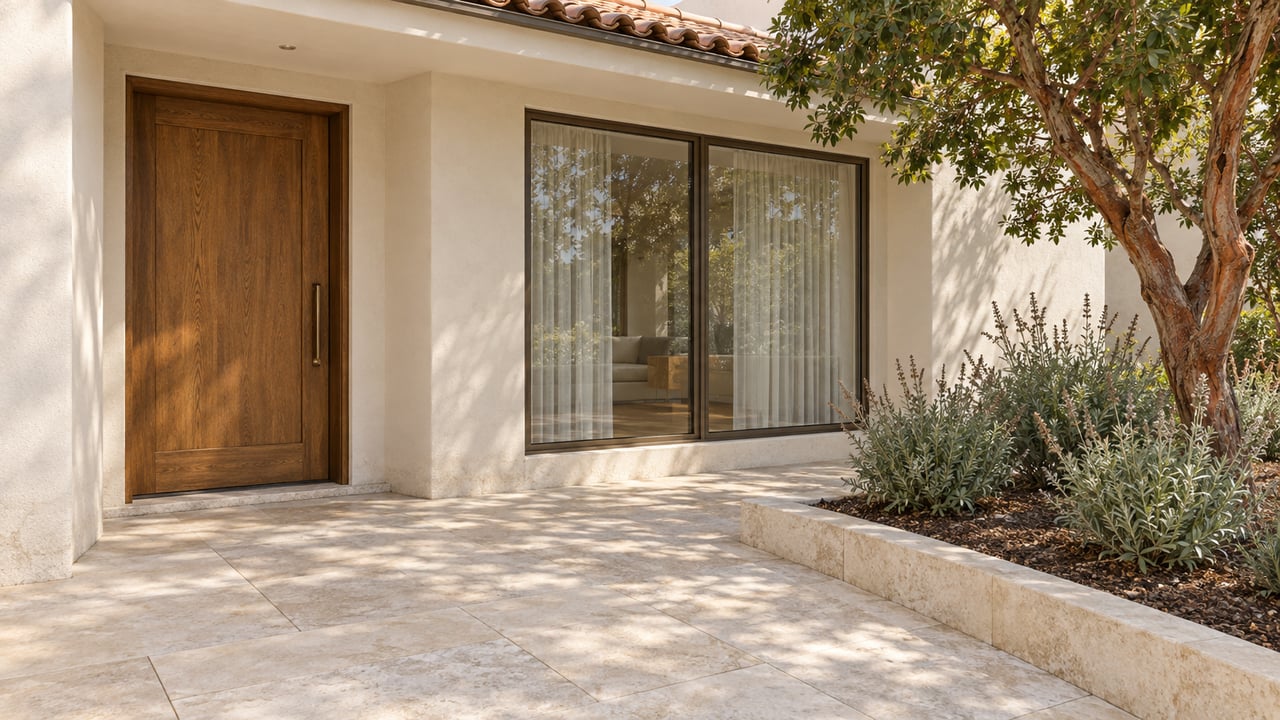
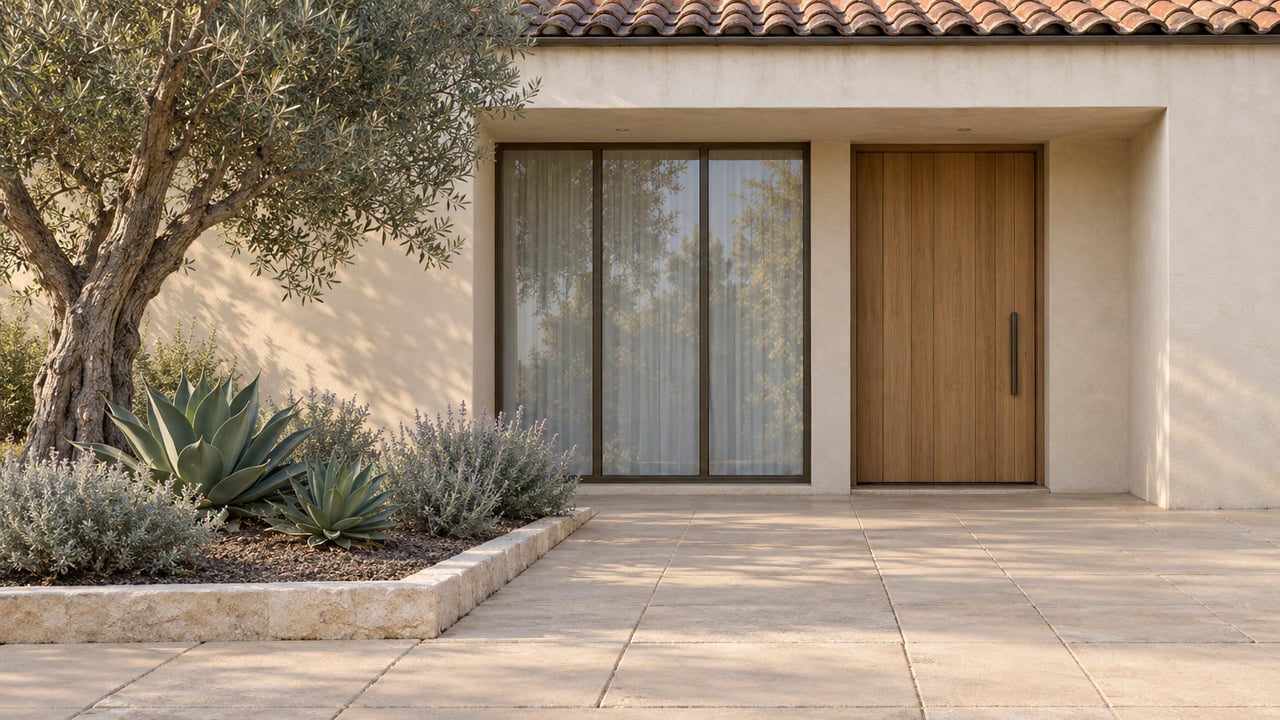
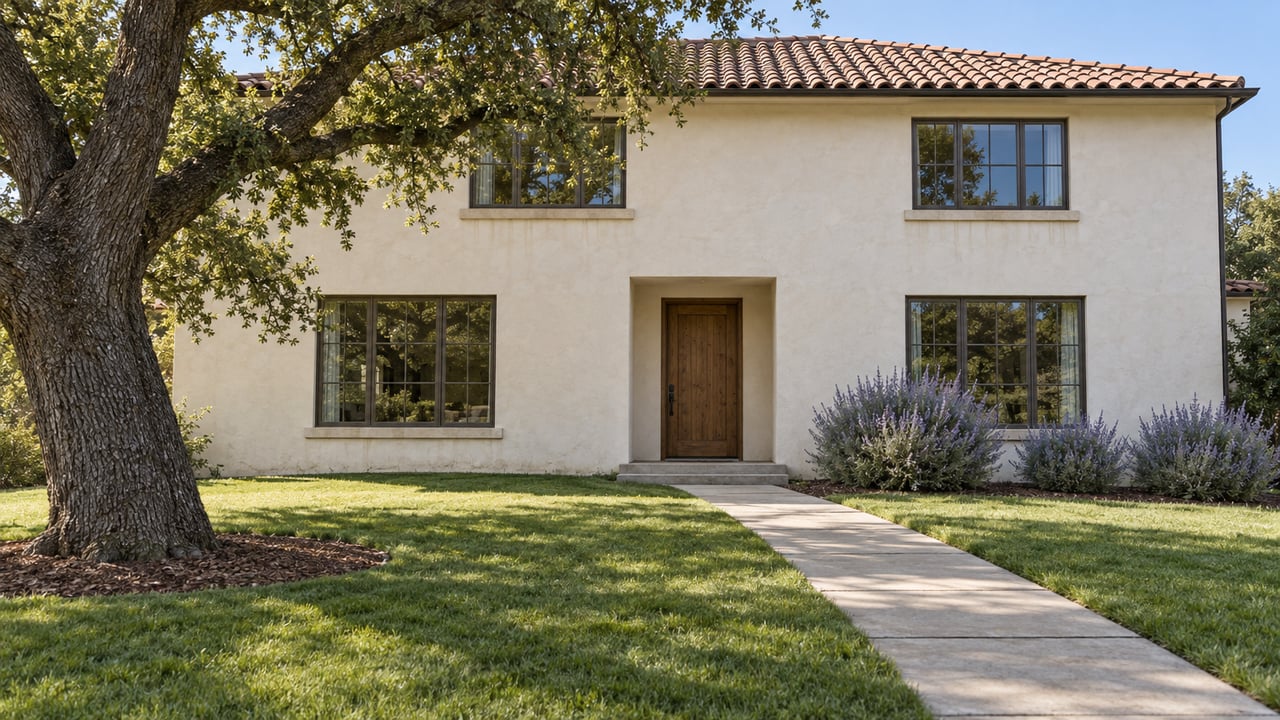
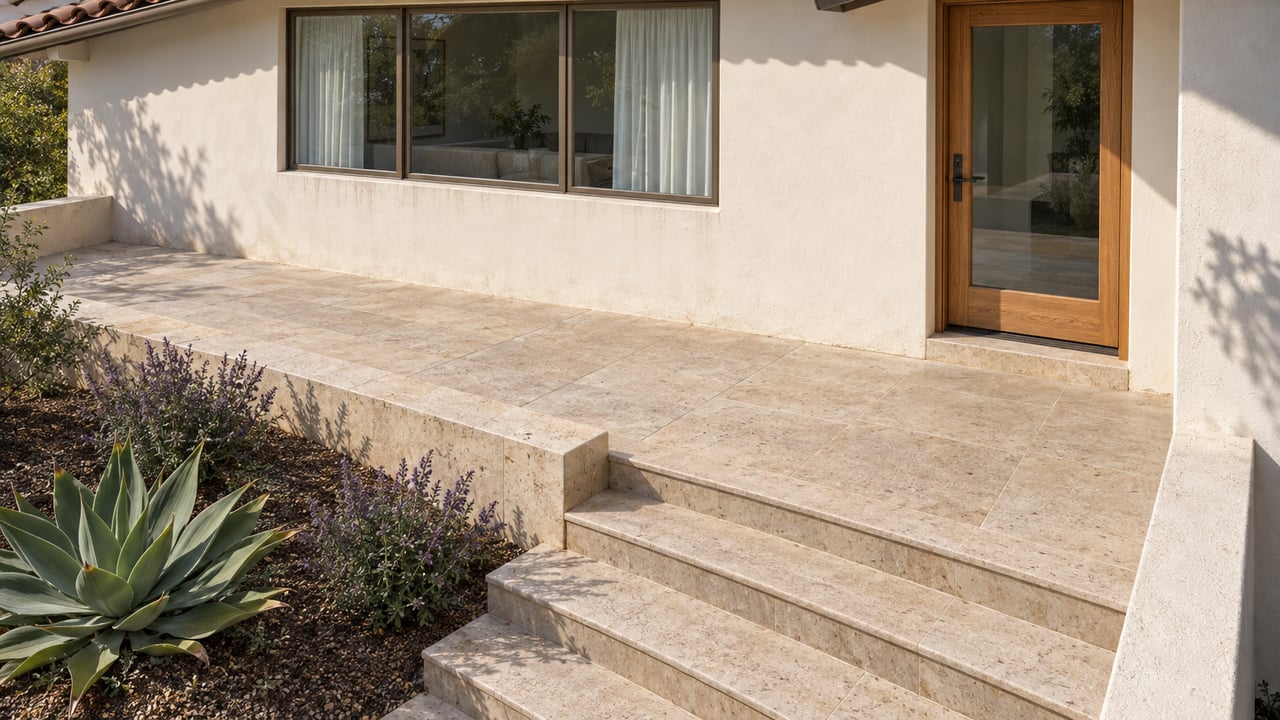
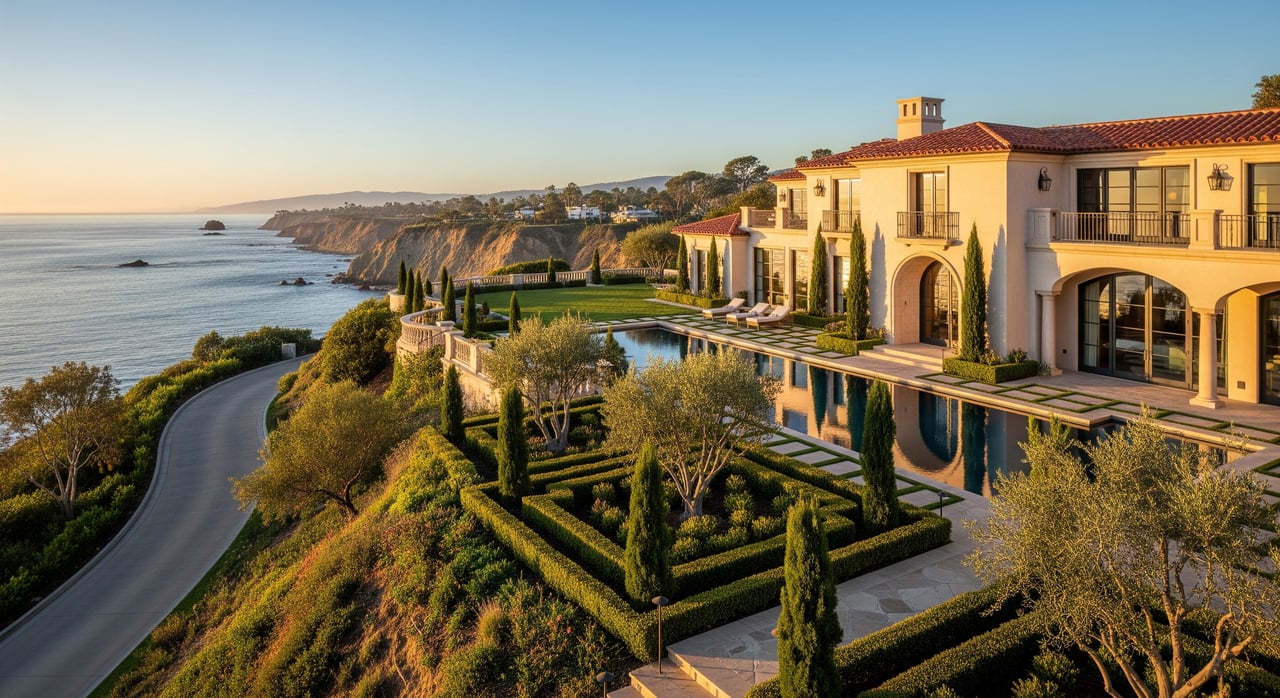
Palos Verdes Estates is a primarily single-family city with a planned, residential feel and limited condominium or townhome options. Many homes sit on larger lots, and some enjoy dramatic coastline, ocean, or city views. Architectural styles range from early-20th-century and mid-century homes to newer remodels and rebuilds.
Design review and neighborhood controls are common. Renovations and rebuilds often require approvals that can affect budget and timing. Natural factors also matter here. Coastal bluff erosion, hillside stability, and landslide risk influence insurability, permitting, and buyer perception.
How pricing really works
Views and topography
In PVE, view quality can make a major difference. Panoramic ocean or coastline outlooks often command a premium. Lot orientation and slope position can change both the view and the value.
Lot size and usable area
Large lots are common, but usable flat space is often the true driver. A yard with level, functional outdoor areas may be more valuable than a larger sloped parcel.
Condition, updates, and permits
Thoughtful, high-quality renovations tend to attract stronger offers. Older remodels without permits can complicate appraisals, lending, and closing. Verify permit history early.
School attendance zones
Properties in PVE fall within the Palos Verdes Peninsula Unified School District. Many buyers consider attendance boundaries, so confirm the assigned schools for each address before you write an offer.
Site stability and insurance
Hillside and bluff-edge homes may require geotechnical evaluation. Insurance availability and cost can vary based on location and risk category, so it pays to engage carriers early in the process.
Street access and parking
Narrow hillside streets and limited parking can affect daily life and resale appeal. Consider access, driveway slope, and guest parking during tours.
Market snapshot checklist
You will get the clearest read on the market by tracking a few key metrics over the last 12 to 24 months. Ask your agent for a current report that includes:
- Median sold price and year-over-year change
- Price per square foot and price by lot-size band
- Active inventory and months of supply
- New listings, pendings, and sold counts (30, 90, and 365 days)
- Median days on market and list-to-sale price ratio
- Sales volume by price band (for example, under $2M, $2M–$5M, $5M+)
- Mix of single-family versus condo-like properties
- Cash versus financed sales and jumbo-loan prevalence
- Rental indicators if you are evaluating yield
For context, compare PVE to nearby markets on the Palos Verdes Peninsula and along the coast. Relative pricing and inventory shifts can help you gauge demand strength.
Neighborhood micro-markets
Inland, near schools and parks
These areas often offer flatter streets and more usable yards. Many buyers appreciate proximity to schools and community amenities. Pricing can vary based on lot utility, privacy, condition, and any view corridors.
Hillside with ocean or city views
Hillside properties can deliver remarkable views, which influence price more than square footage alone. Carefully review slope stability, access, and any geotechnical recommendations before you remove contingencies.
Bluff and coastal edge
Bluff-edge parcels are rare and sensitive to erosion and permitting requirements. Expect extended due diligence, potential specialty insurance needs, and a premium tied to view quality and site specifics.
Buying in PVE: your smart plan
- Get fully pre-approved early. Many homes exceed conforming loan limits, so discuss jumbo options, down payment, and timing with your lender.
- Tour for topography and access. Evaluate driveway slope, street width, and parking along with interior finishes.
- Order inspections promptly. Standard home and termite inspections are essential. Add roof and sewer scopes for older systems.
- Add geotechnical and structural review for hillside or bluff homes. Understand any required stabilization, setbacks, or special permits.
- Prepare for appraisal nuance. View quality and lot utility can be hard to comp, so align your offer strategy with recent sales that match key features.
- Shop insurance early. Confirm availability and cost based on location, construction type, and risk profile.
- Verify records. Review permit history, design-review status, and any easements or setbacks before you commit.
Selling in PVE: set up for success
- Start with pre-listing inspections. General, termite, and roof reports can reduce surprises. Consider a structural or geotechnical review if your site is on a slope.
- Stage for views and outdoor living. Highlight window lines, natural light, and usable yard areas. Drone and twilight photography can help show context when appropriate.
- Price by micro-market. Separate comps by view quality, lot utility, and street location. Inland flats price differently than hillside or bluff-edge homes.
- Address permits and records. Gather permits for past work and check design-review requirements for any buyer plans you intend to market.
- Plan timelines. In active conditions, offers may arrive in days or weeks. Escrow often runs 30 to 45 days, with longer paths if specialized inspections are involved.
- Use targeted marketing. Showcase neighborhood benefits, view features, and renovation quality through high-quality media and informed property descriptions.
Risks and questions to address early
- Cliff and landslide exposure. Review geologic information and city guidance for your specific address, especially near bluffs or steeper slopes.
- Undocumented improvements. Unpermitted work can slow or derail a sale. Verify and resolve before listing when possible.
- Thin inventory and pricing swings. PVE is a small city with limited turnover, which can create volatility across price bands.
- Commute tradeoffs. Evaluate route options and drive times to employment centers as part of your decision.
Costs, taxes, and timing
Expect standard California closing items such as escrow and title fees, prorated property taxes, and any applicable county or city transfer taxes. Property taxes are generally governed by Proposition 13, with a base near 1 percent of assessed value plus local assessments and bonds. Sellers must deliver standard disclosures that typically include a Transfer Disclosure Statement, Natural Hazard Disclosure, and lead-based paint documents for older homes. Buyers and sellers should be prepared for additional reports or certifications when pools, older systems, or hillside conditions are involved.
Work with a local specialist
PVE rewards preparation, local knowledge, and clear communication. A boutique, hands-on approach can help you plan improvements, set the right price by micro-market, and manage inspections and permitting details without drama. If you are considering a move, connect with Jane Angel for calm, data-informed guidance backed by Coldwell Banker Global Luxury distribution.
FAQs
Are Palos Verdes Estates homes expensive compared with LA County?
- Yes. Prices in PVE are typically above many LA County averages due to limited inventory, view and lot premiums, and local demand.
How important are ocean views to PVE pricing?
- Very important. High-quality ocean or coastline views can command notable premiums, with exact value depending on view breadth and potential obstructions.
Do I need special inspections for hillside or bluff properties in PVE?
- Strongly consider geotechnical and structural evaluations, in addition to standard home and termite inspections, to assess slope stability and site conditions.
Will I likely need a jumbo loan to buy in PVE?
- Many properties exceed conforming loan limits, so jumbo financing is common. Expect higher down payments and stricter qualification criteria.
Are there HOA or Mello-Roos fees in PVE?
- Some properties may include assessments. Confirm any HOA obligations and Mello-Roos or community facilities district fees through disclosures and title reports.
How long do homes stay on the market in PVE?
- Days on market vary by price, condition, and view category. Unique or higher-end homes may take longer, so review recent DOM in your specific micro-market.